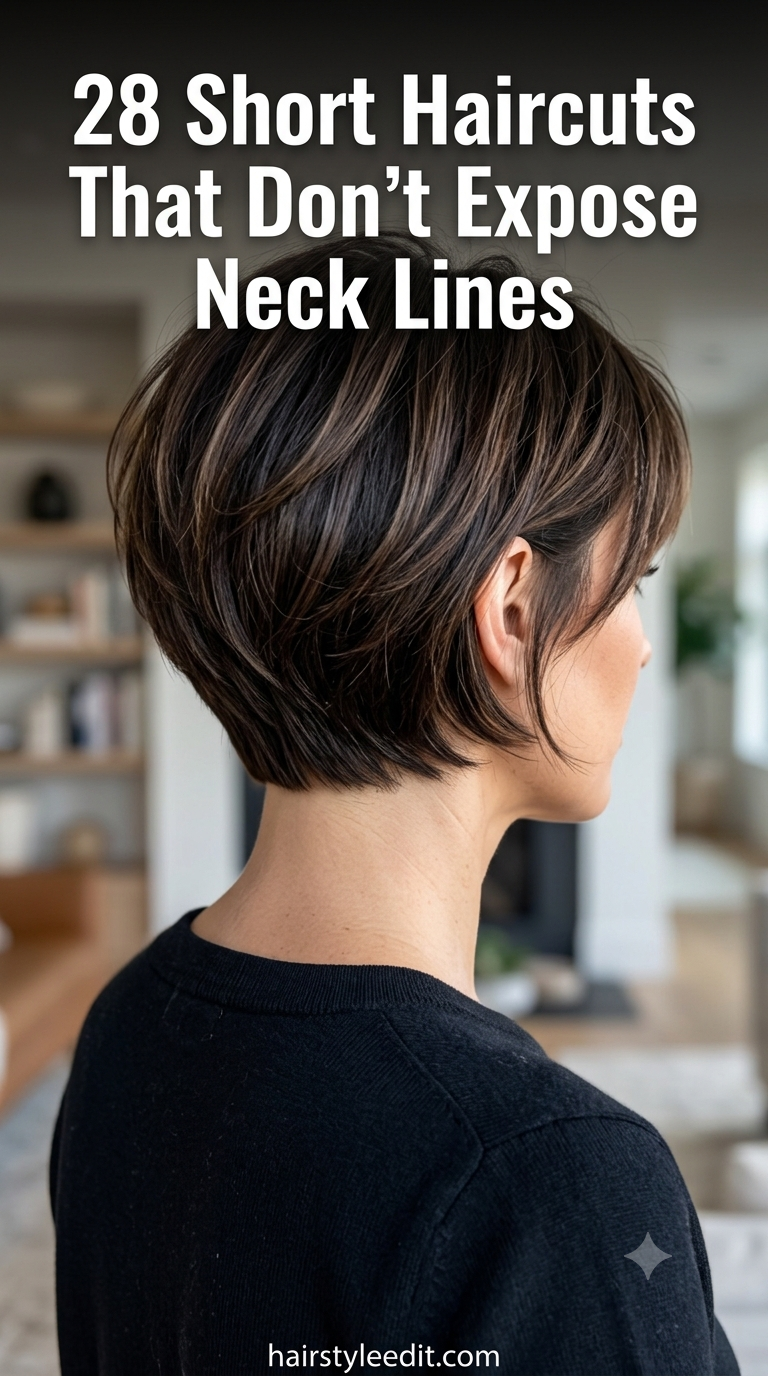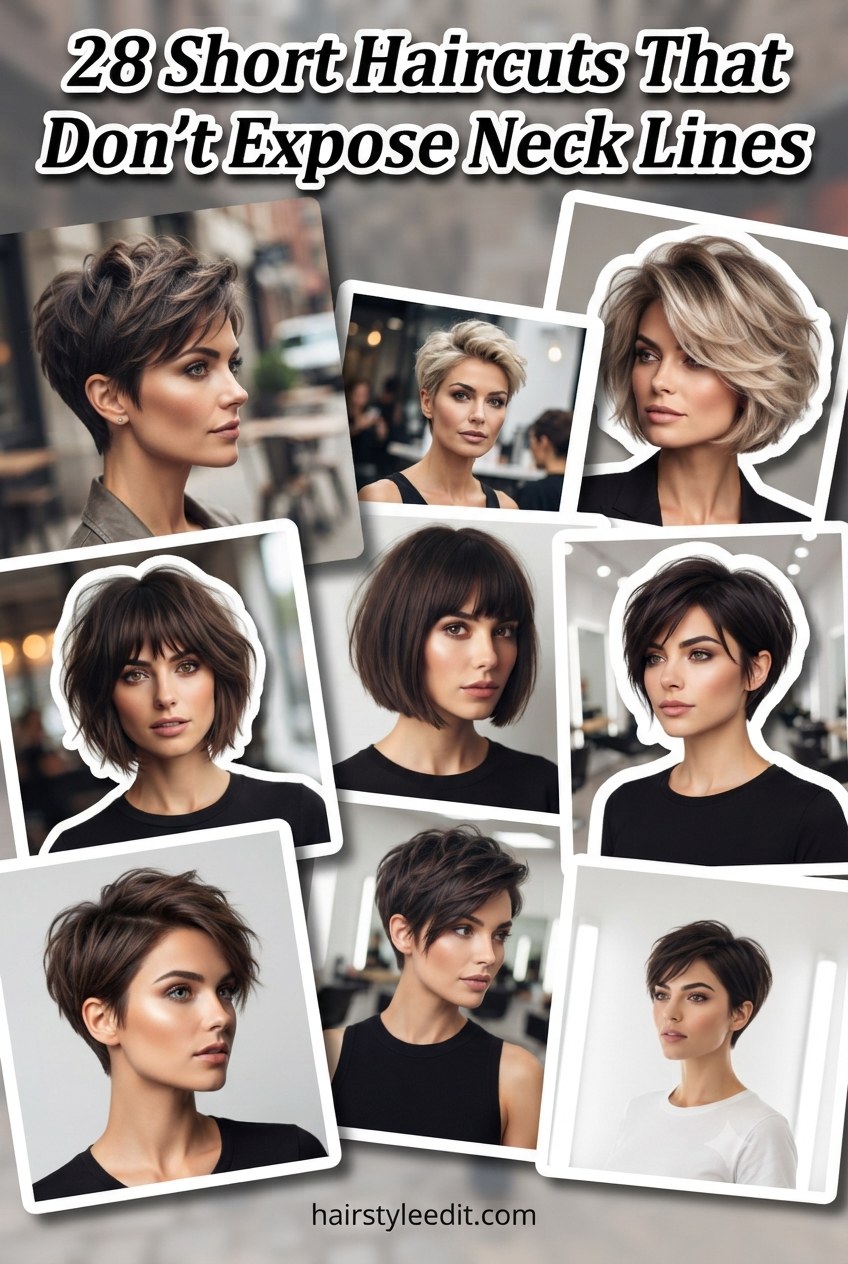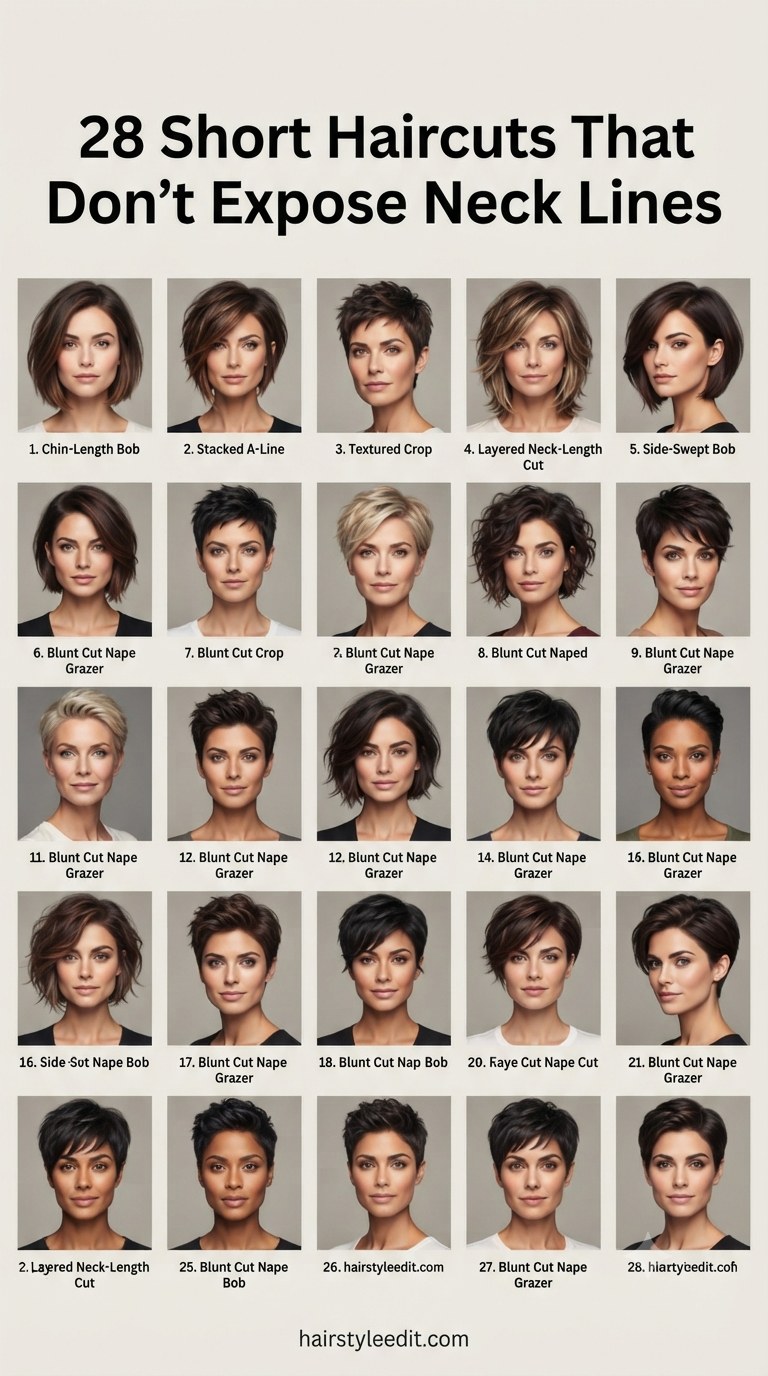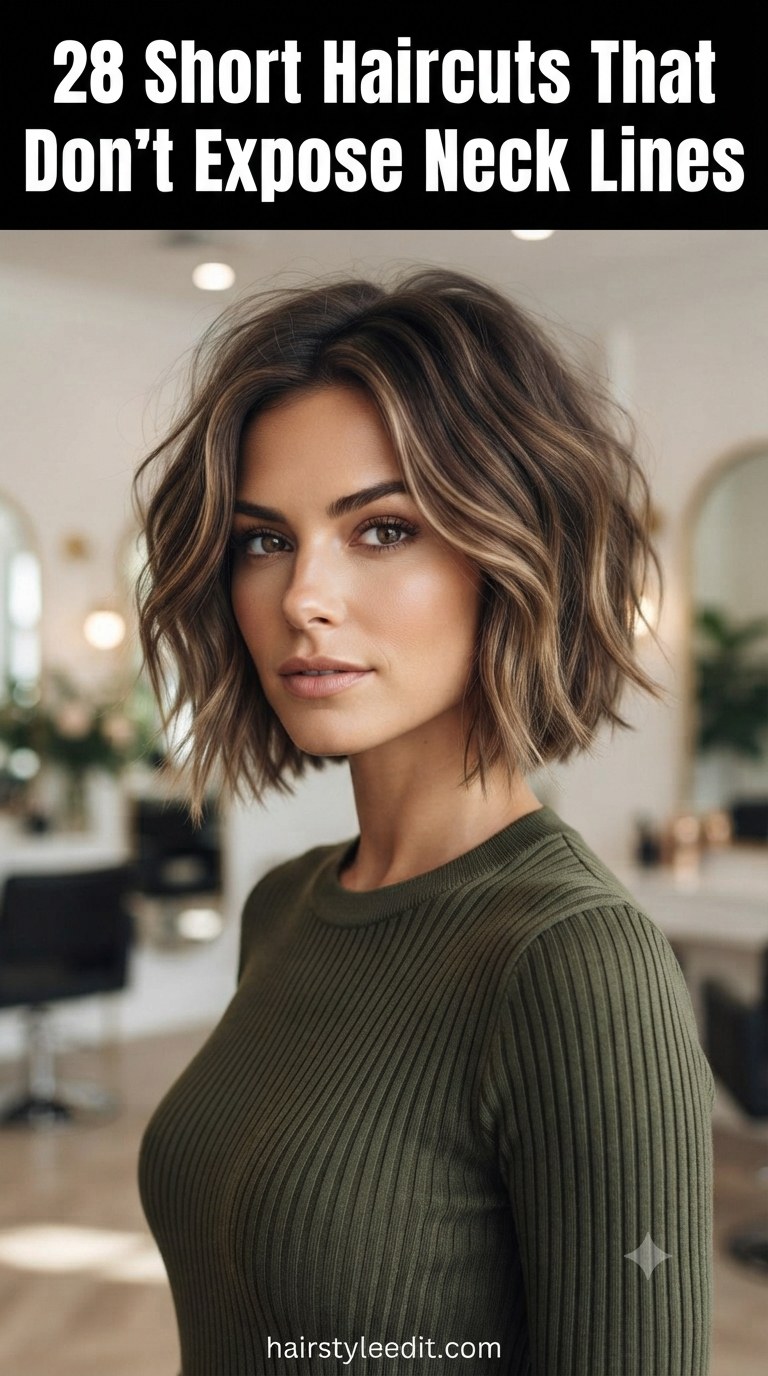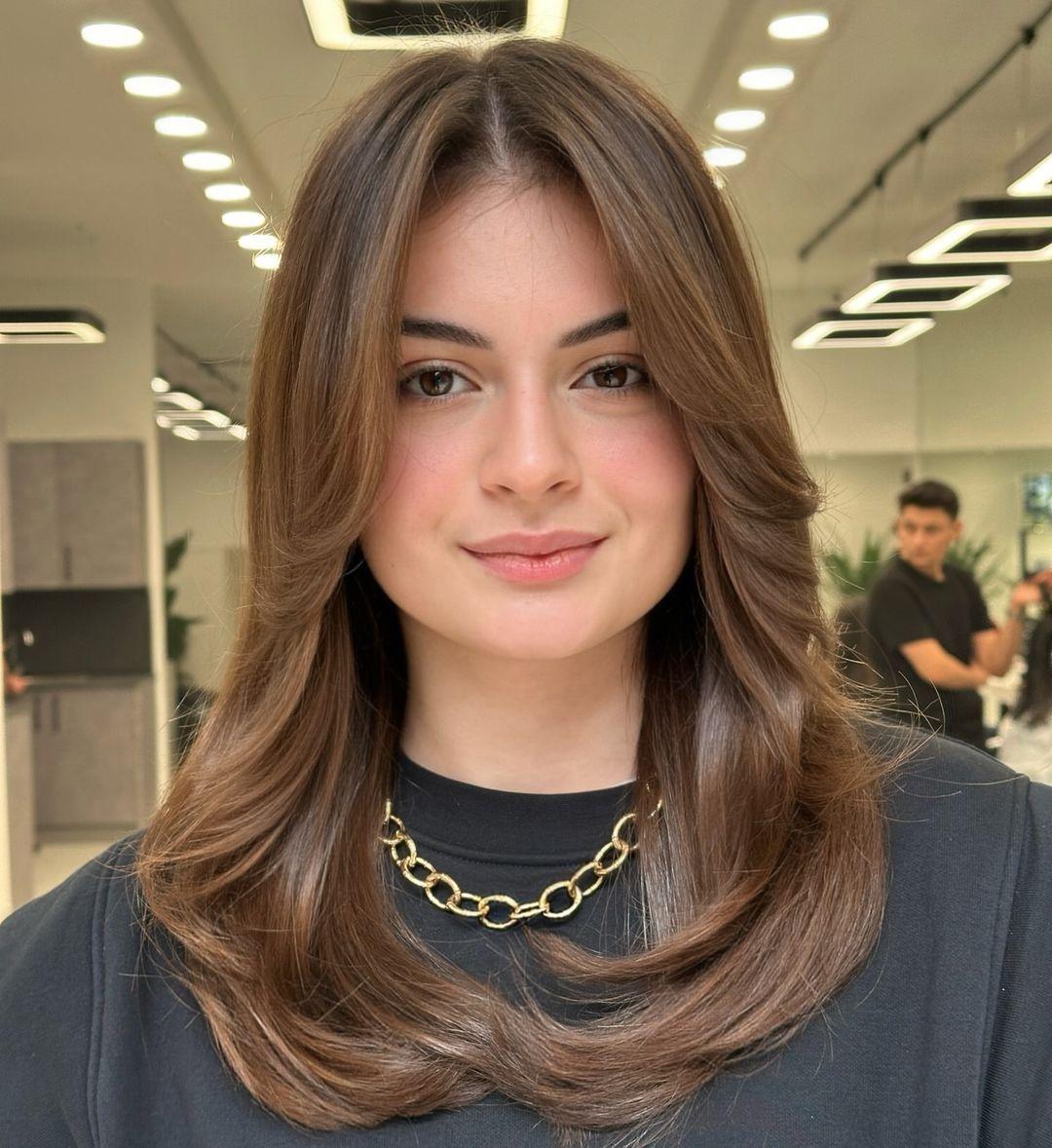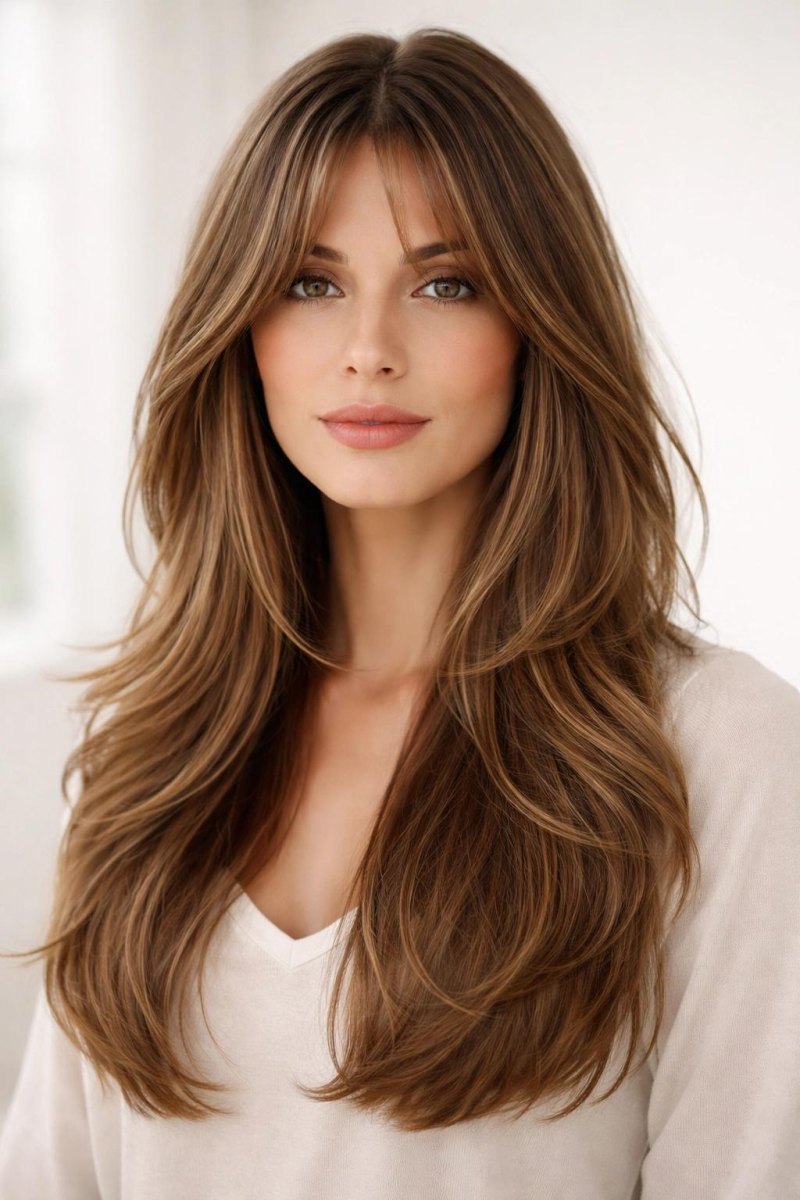
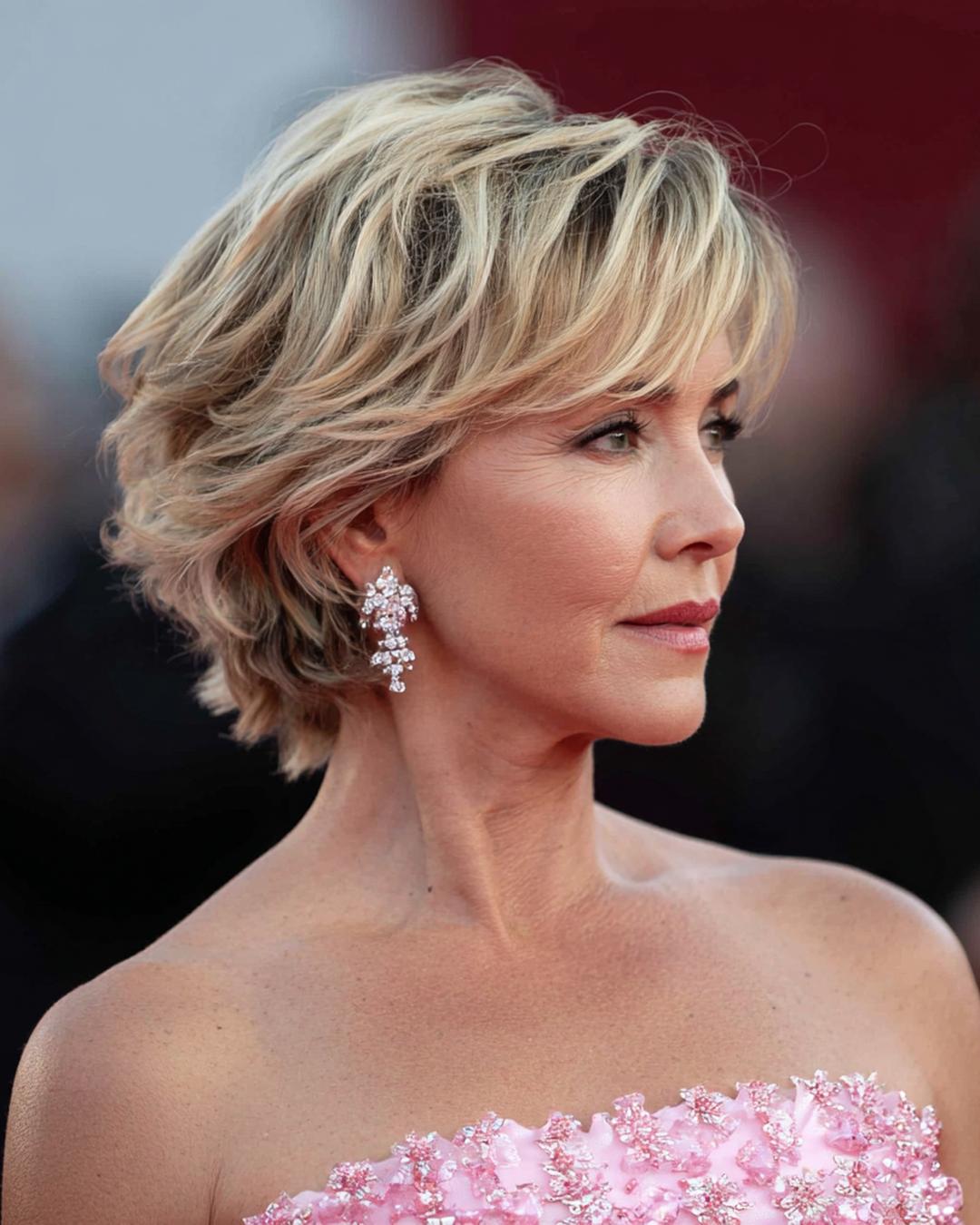

Quick summary
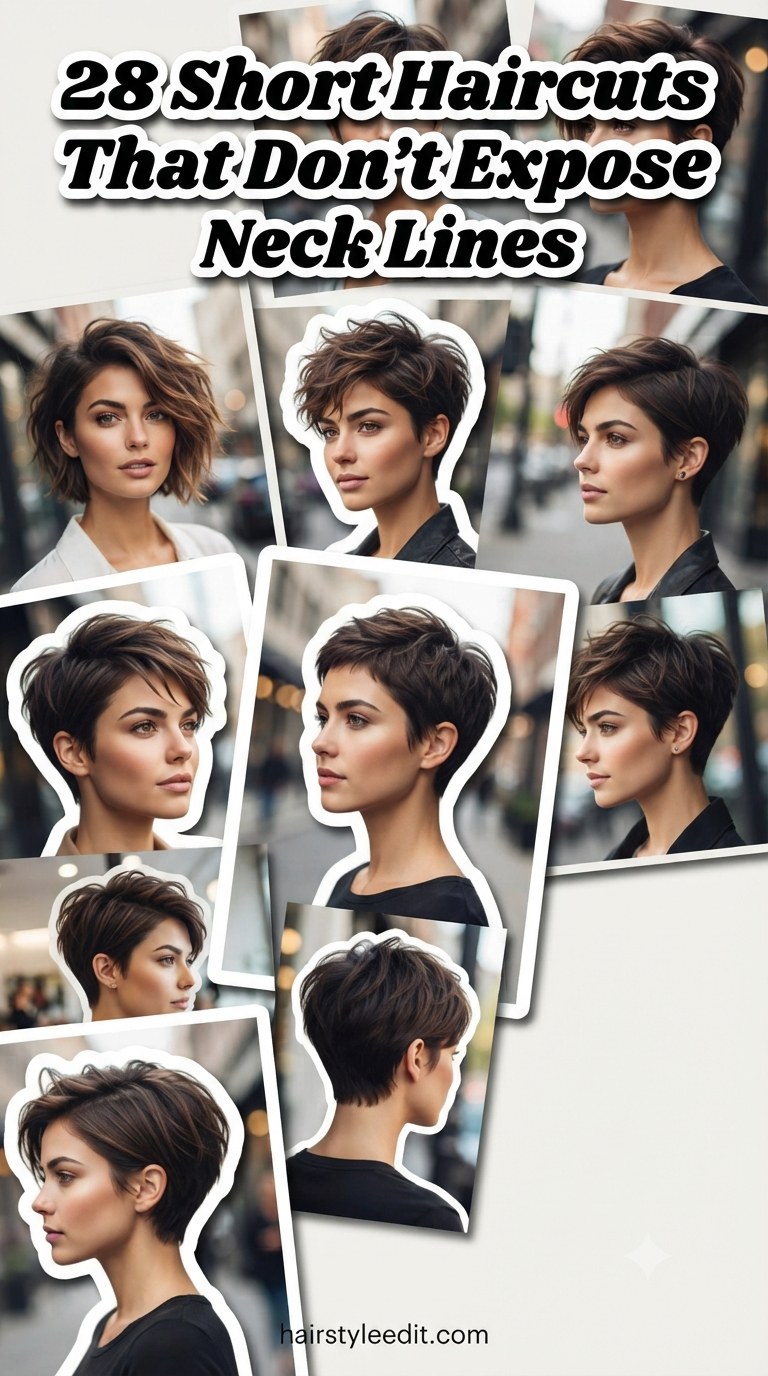
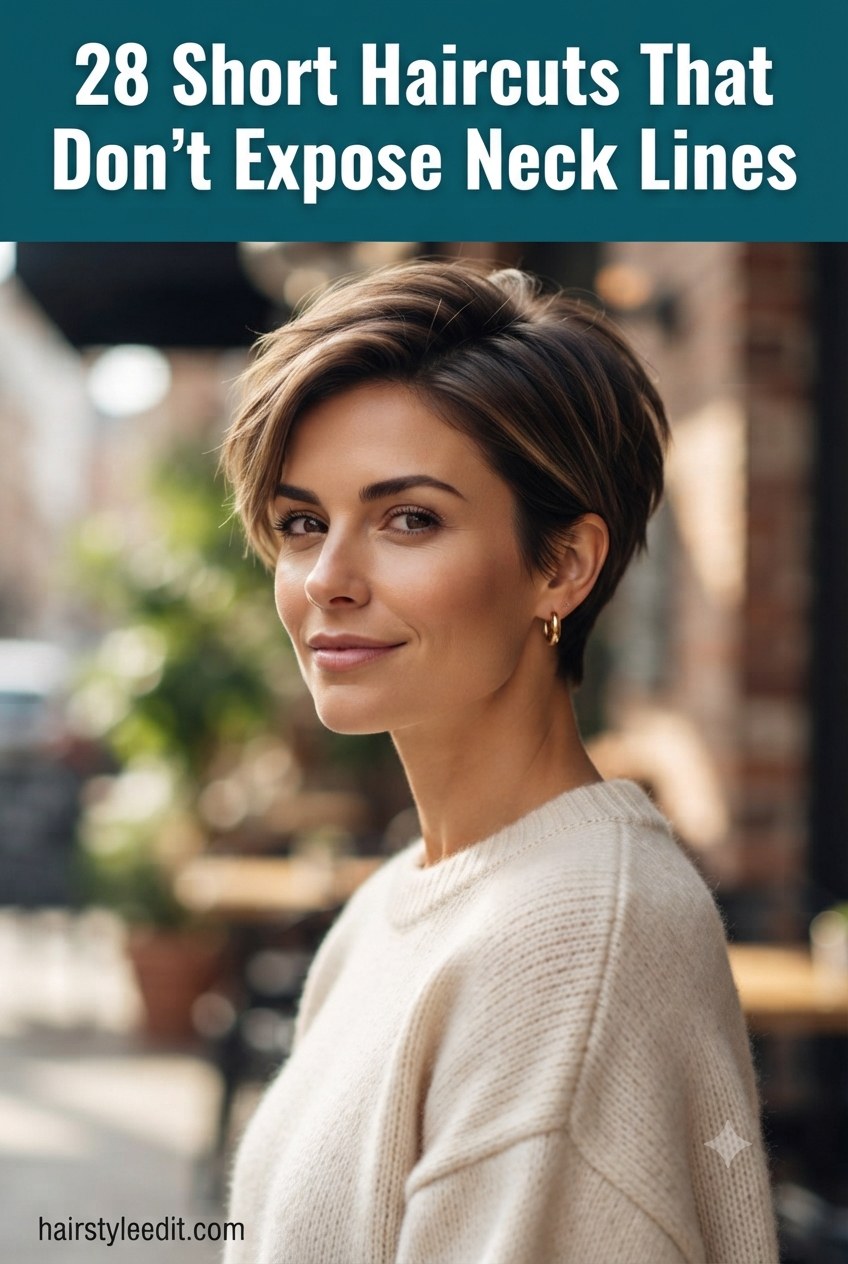
- These cuts use length, layers, and shape to keep the nape softly covered.
- Modern bobs and crops continue to focus on texture and movement.
I focus on the details that make these cuts work in real life: nape coverage, styling time, and how often the shape needs refreshing. The right cut is usually the one that matches your hair density and routine.
Chic Bob That Covers The Nape
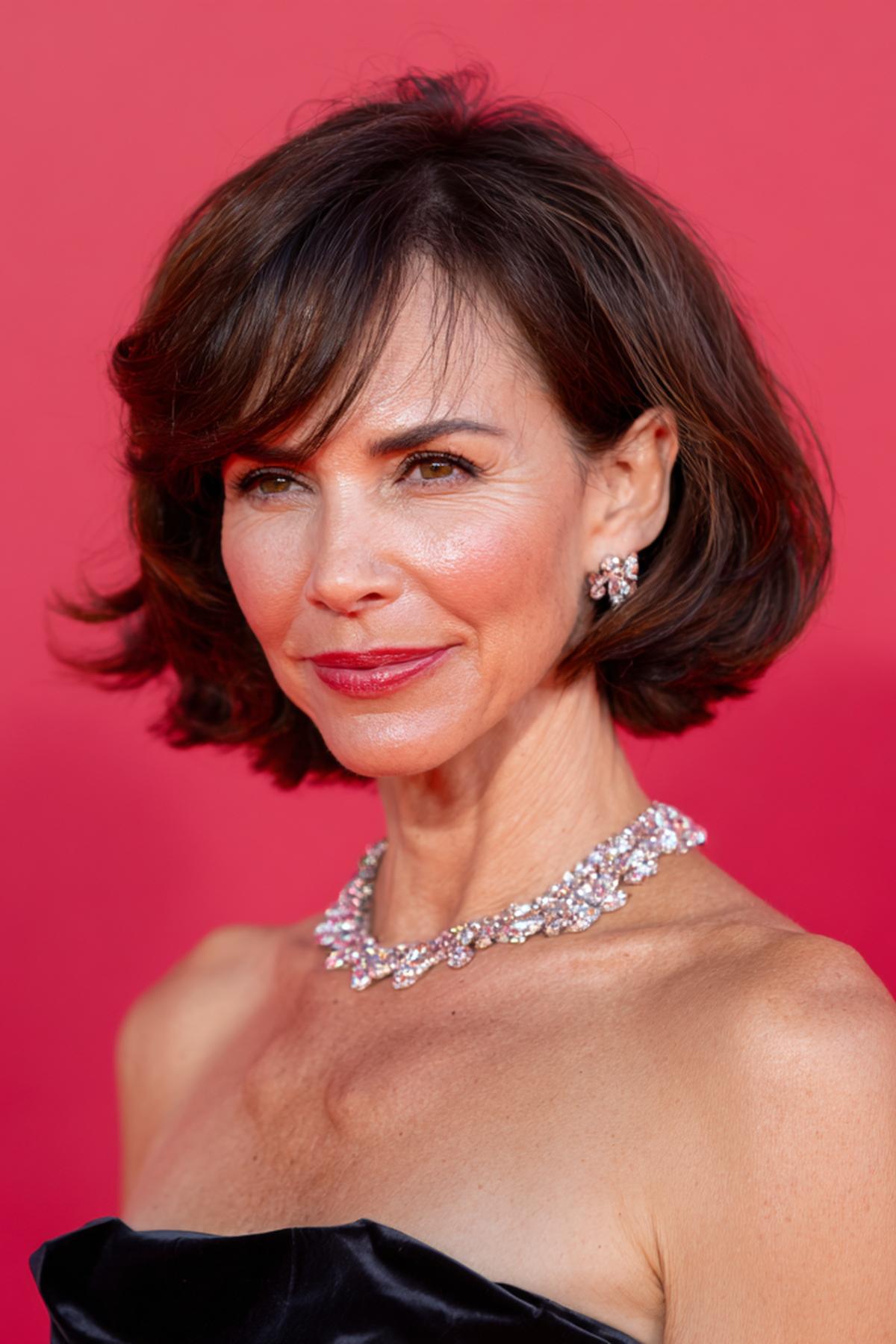
This bob keeps the back softly wrapped with a layered nape and a clean outline. I like it when the goal is polish without a completely exposed neckline.
Fine hair often benefits from fewer layers, while thick hair may need internal weight removal for better movement.
Textured Crop With Nape Coverage
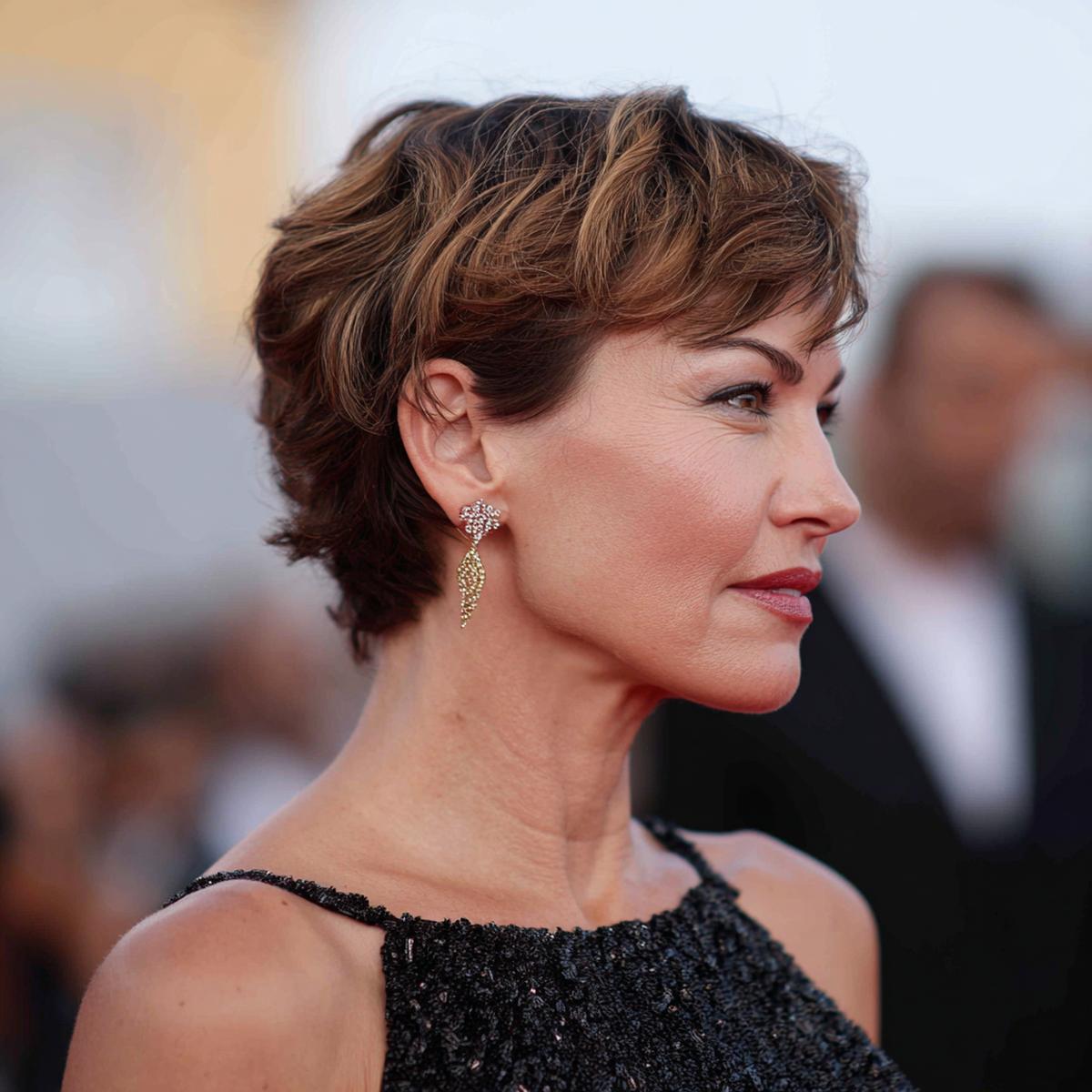
A textured crop uses broken layers and controlled length around the back. Current crop trends continue to emphasize natural texture rather than rigid styling.
Expect around five minutes of styling with a matte product and regular trims to keep the short shape.
Chin Length Bob With Hidden Neckline
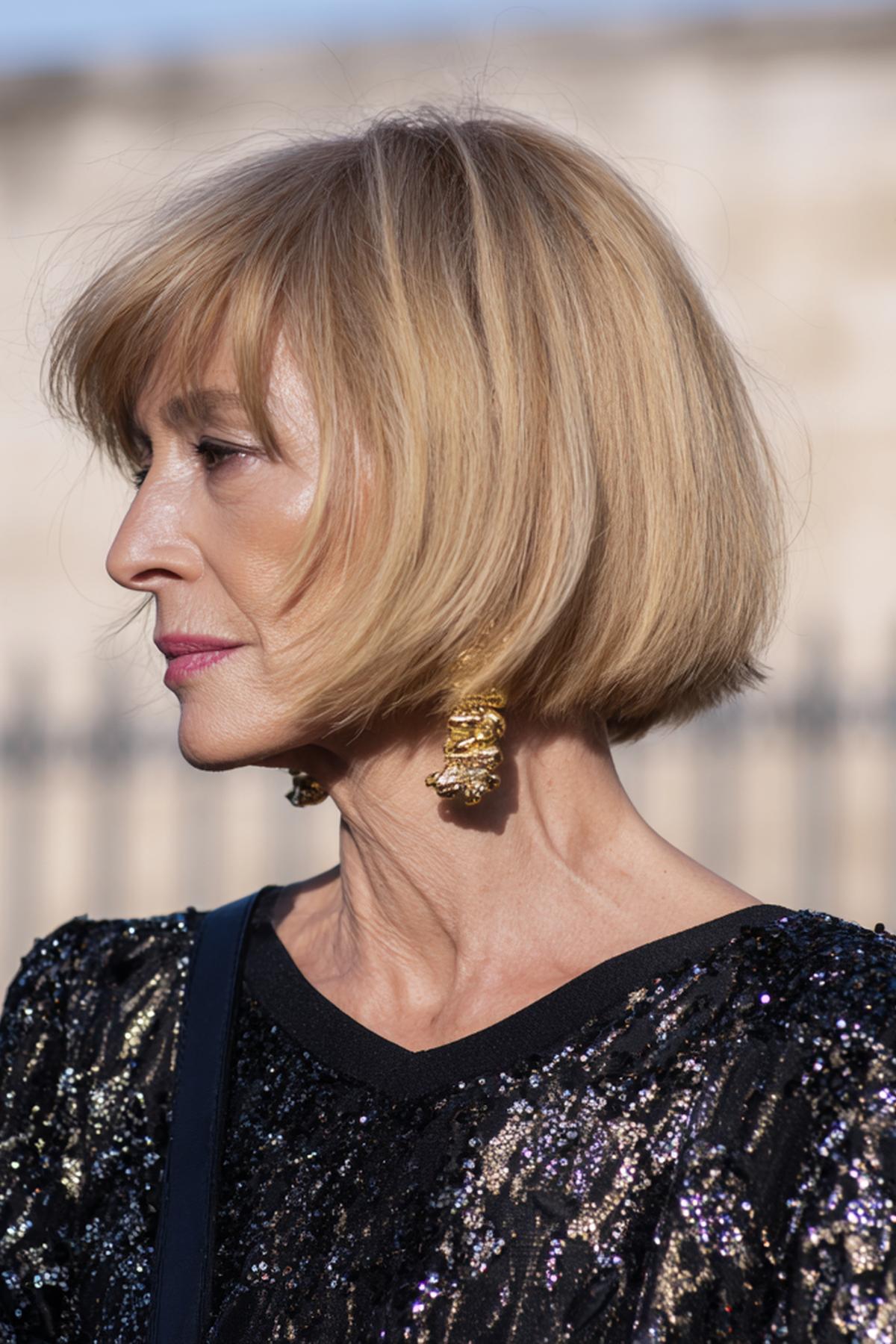
This bob finishes near the chin while the back section creates a hidden neckline. Chin-length bobs are commonly shaped around the jaw and neck area rather than a single fixed measurement.
Straight hair shows the line most clearly, while waves soften the clean perimeter.
Feathered Pixie That Veils The Nape
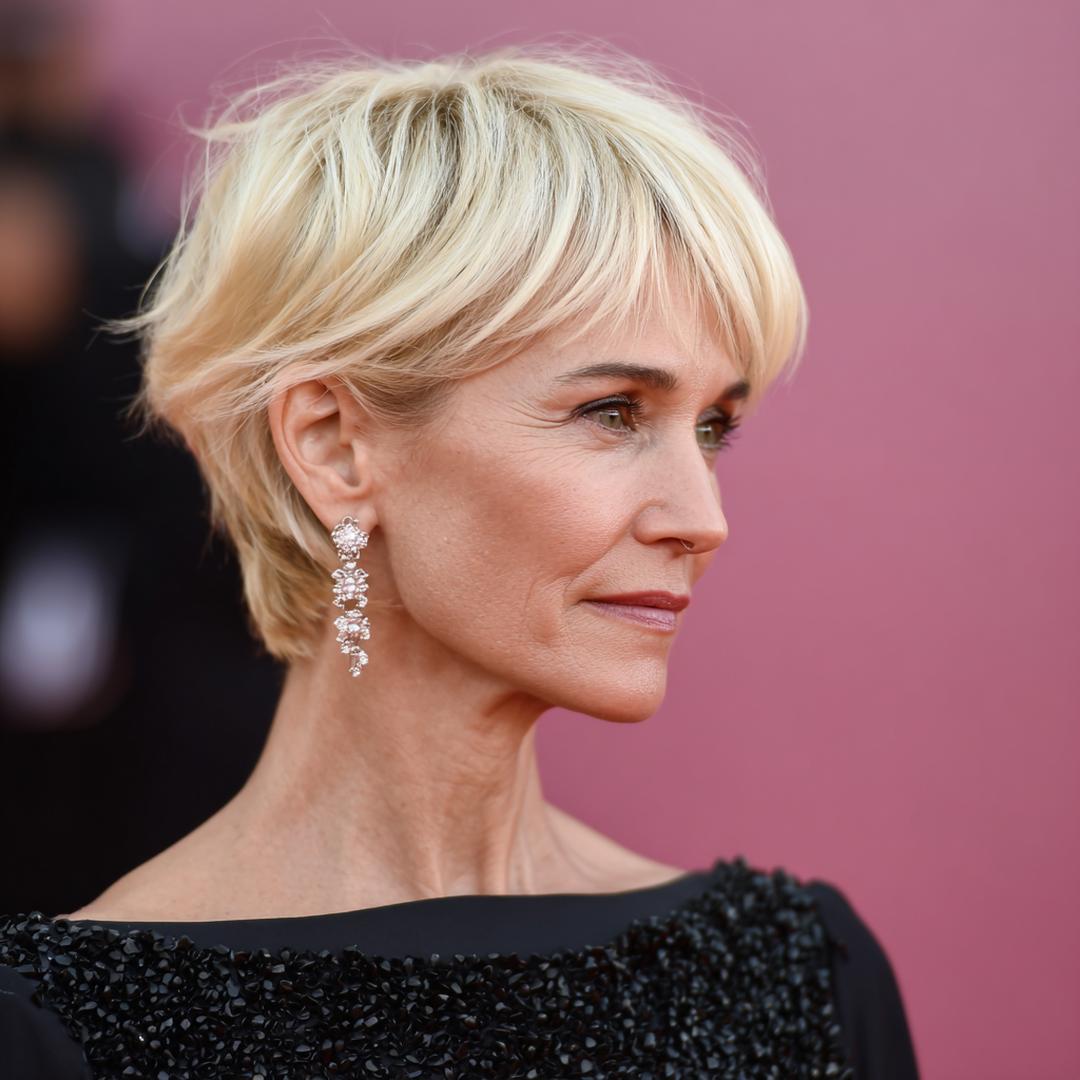
A feathered pixie leaves delicate pieces through the nape instead of a sharp finish. Soft pixies remain a visible short-hair direction in current styling reports.
I would choose this for someone wanting light texture with a quick morning routine.
Runway Bob That Skims The Collar
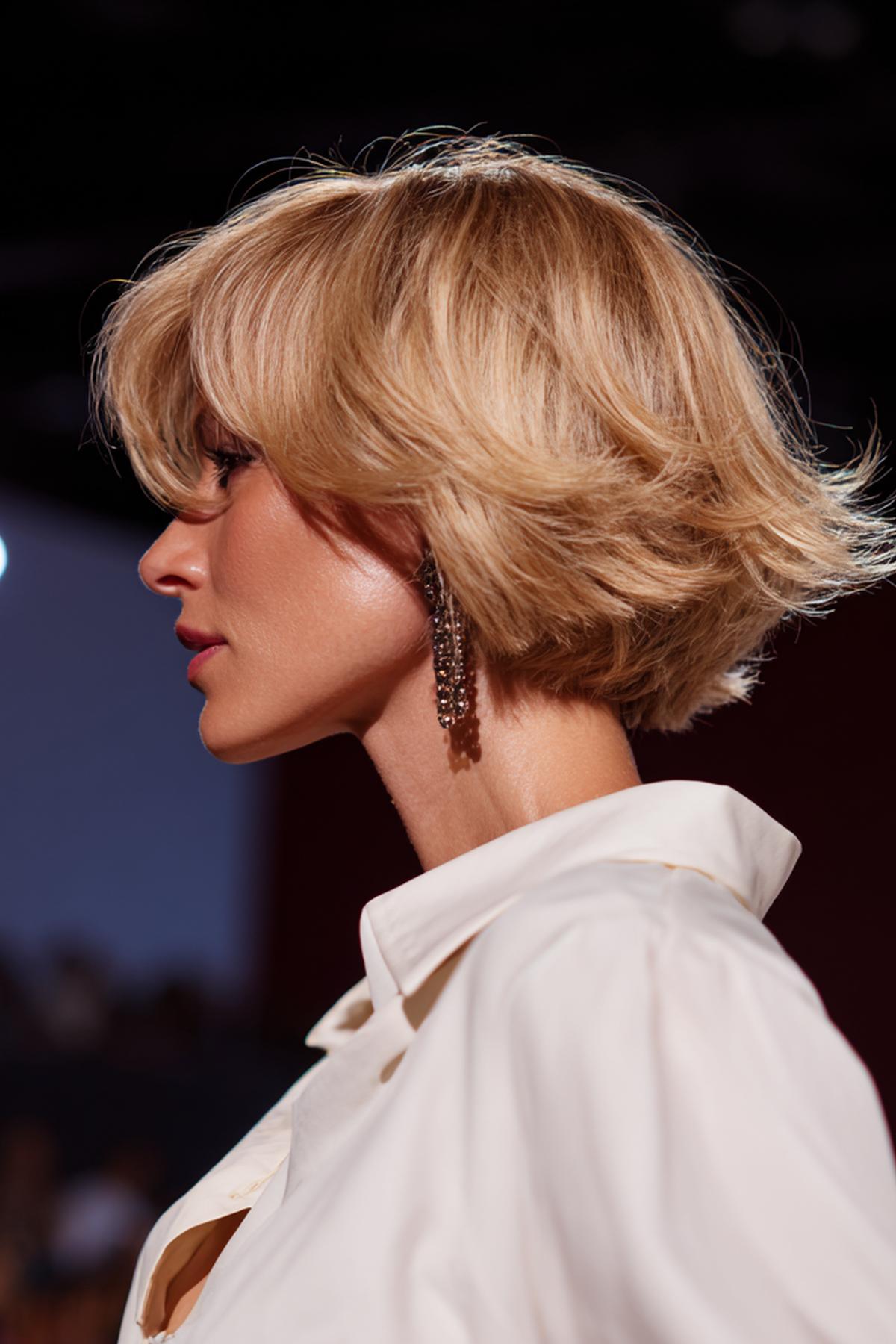
This longer bob grazes the collar area and keeps the neckline partially covered. The collar-skimming length gives more styling options than a very short cut.
Plan trims about every six to eight weeks to maintain the balanced shape.
Rounded Bob For Concealed Neckline
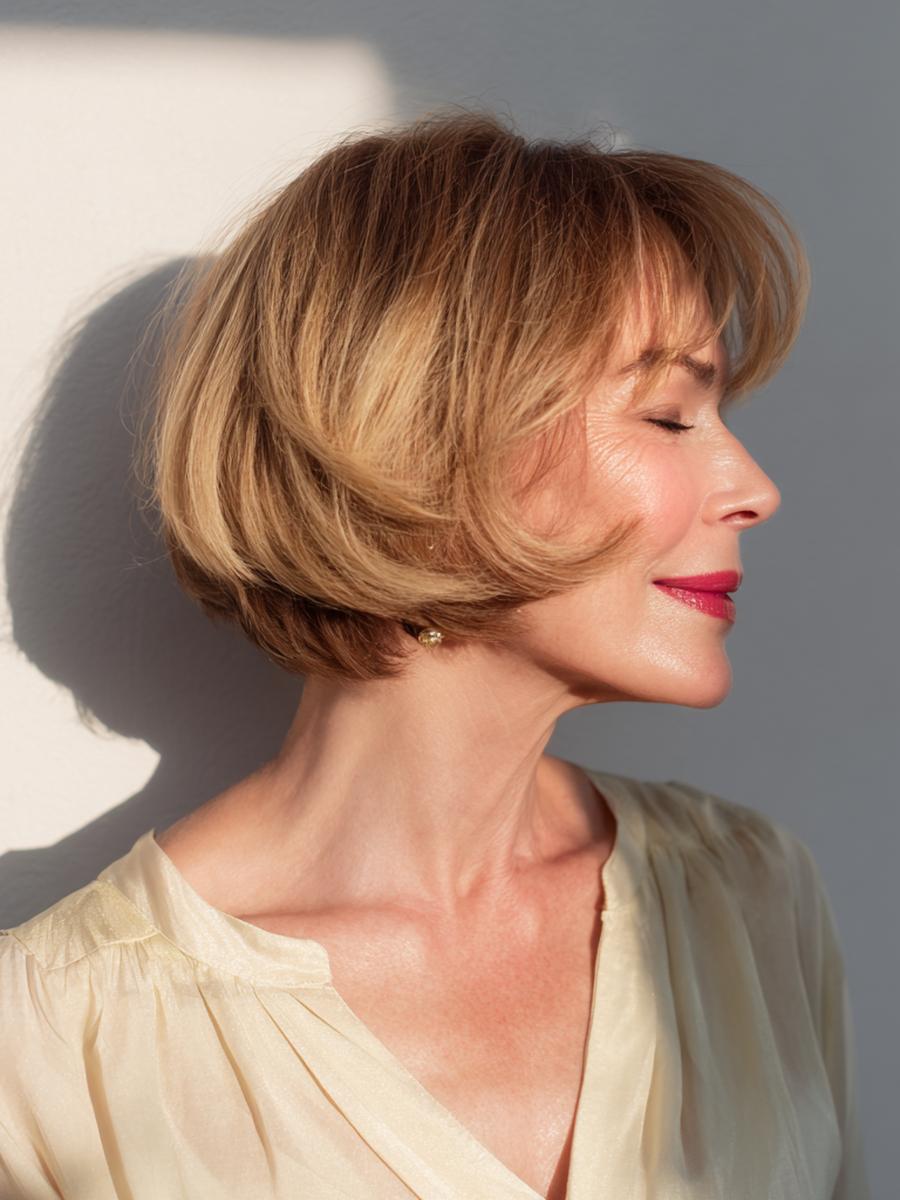
A rounded bob builds fullness through curved shaping at the back. It creates a soft silhouette without relying on heavy styling.
Thick hair usually needs careful weight control so the rounded form does not become bulky.
Airy Layers With Nape Coverage

Airy layers add movement while leaving enough length at the nape. Layered cuts remain popular because they support natural texture.
Fine hair needs lighter layering to avoid losing visible fullness.
Choppy Bob That Masks The Neck
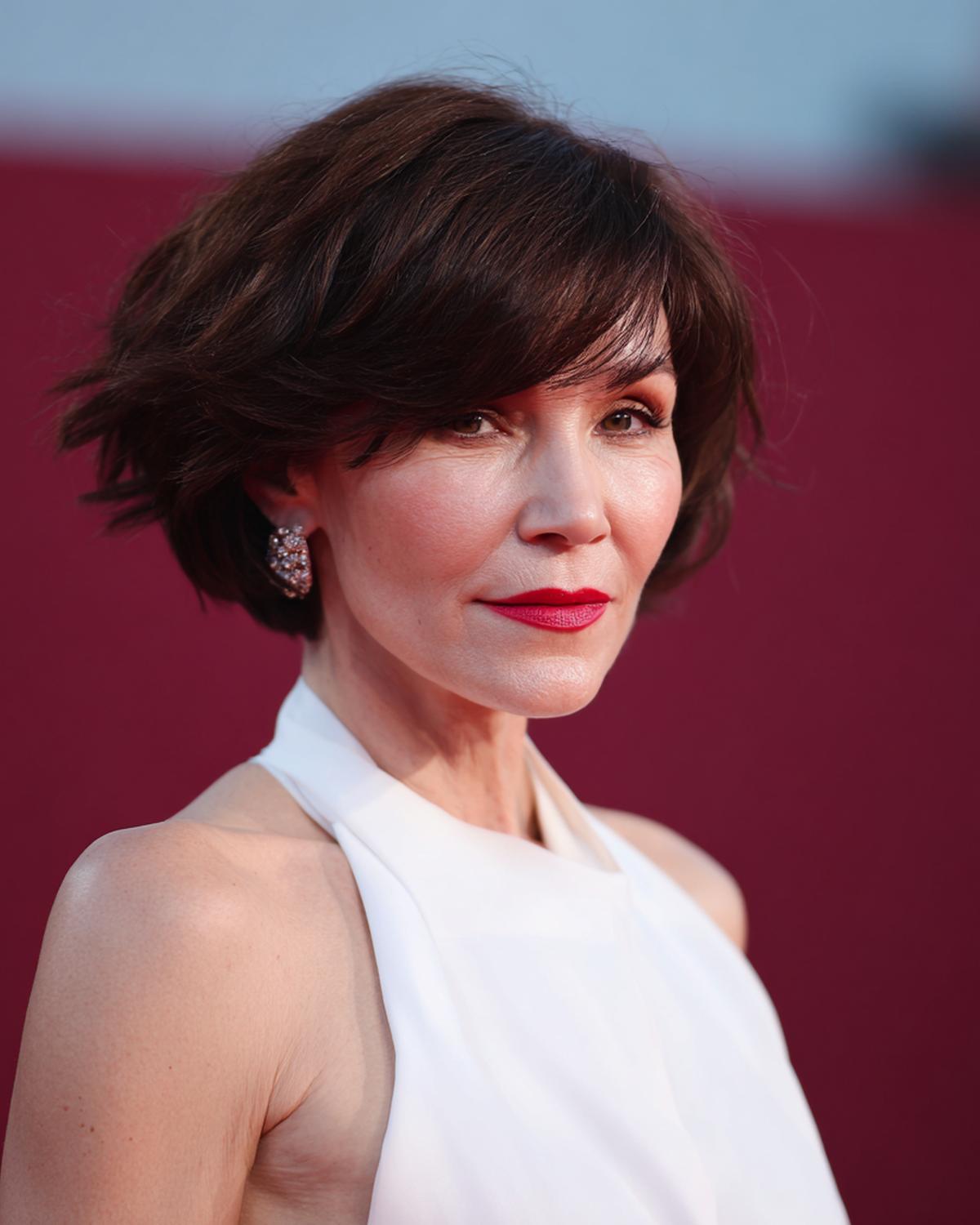
This choppy bob uses uneven ends for a relaxed finish. The key detail is keeping back length long enough to cover the neckline.
Wavy hair often enhances the piecey texture with little extra work.
Tailored Crop With Covered Nape
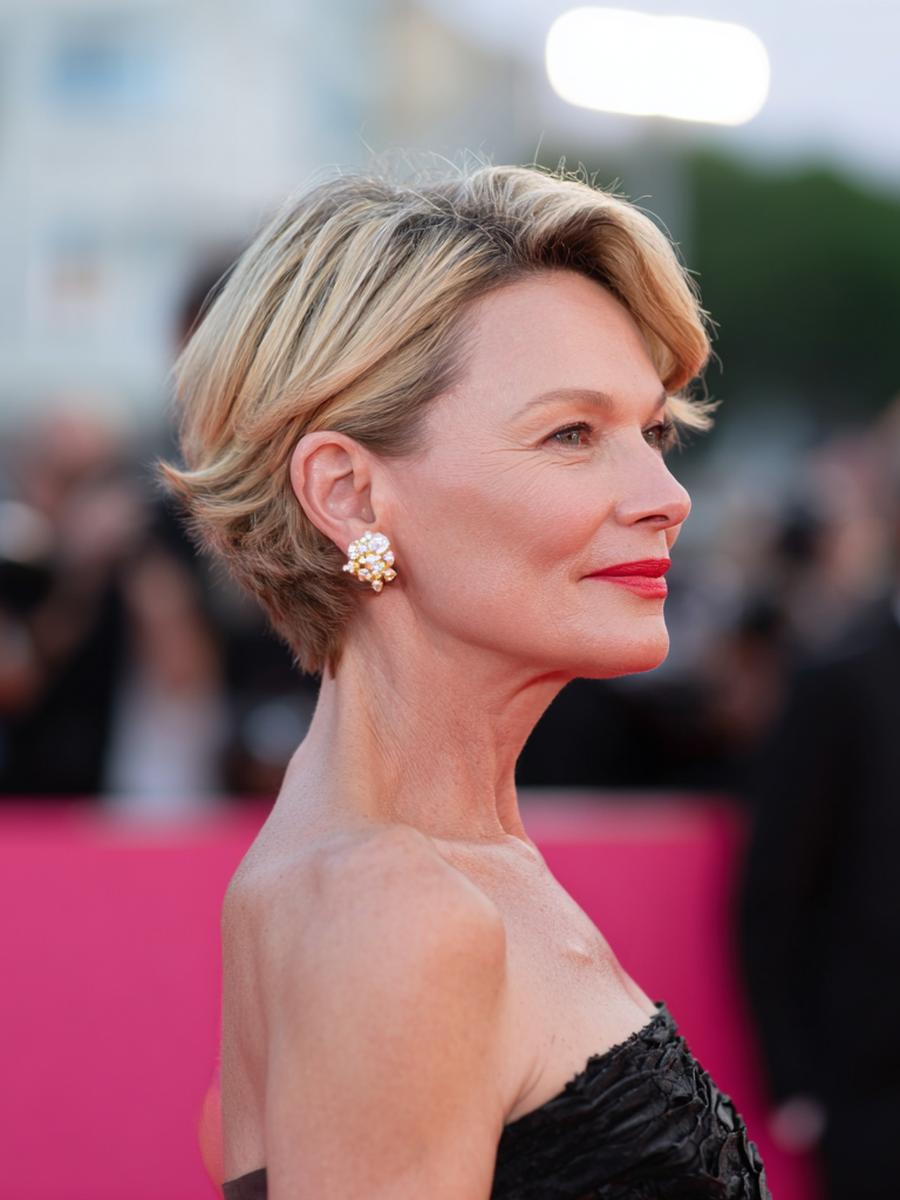
A tailored crop combines precision around the edges with a covered back section. The result depends on careful cutting rather than lots of products.
Short crops usually need more frequent reshaping because growth changes the outline quickly.
Classic Bob For A Discreet Neckline
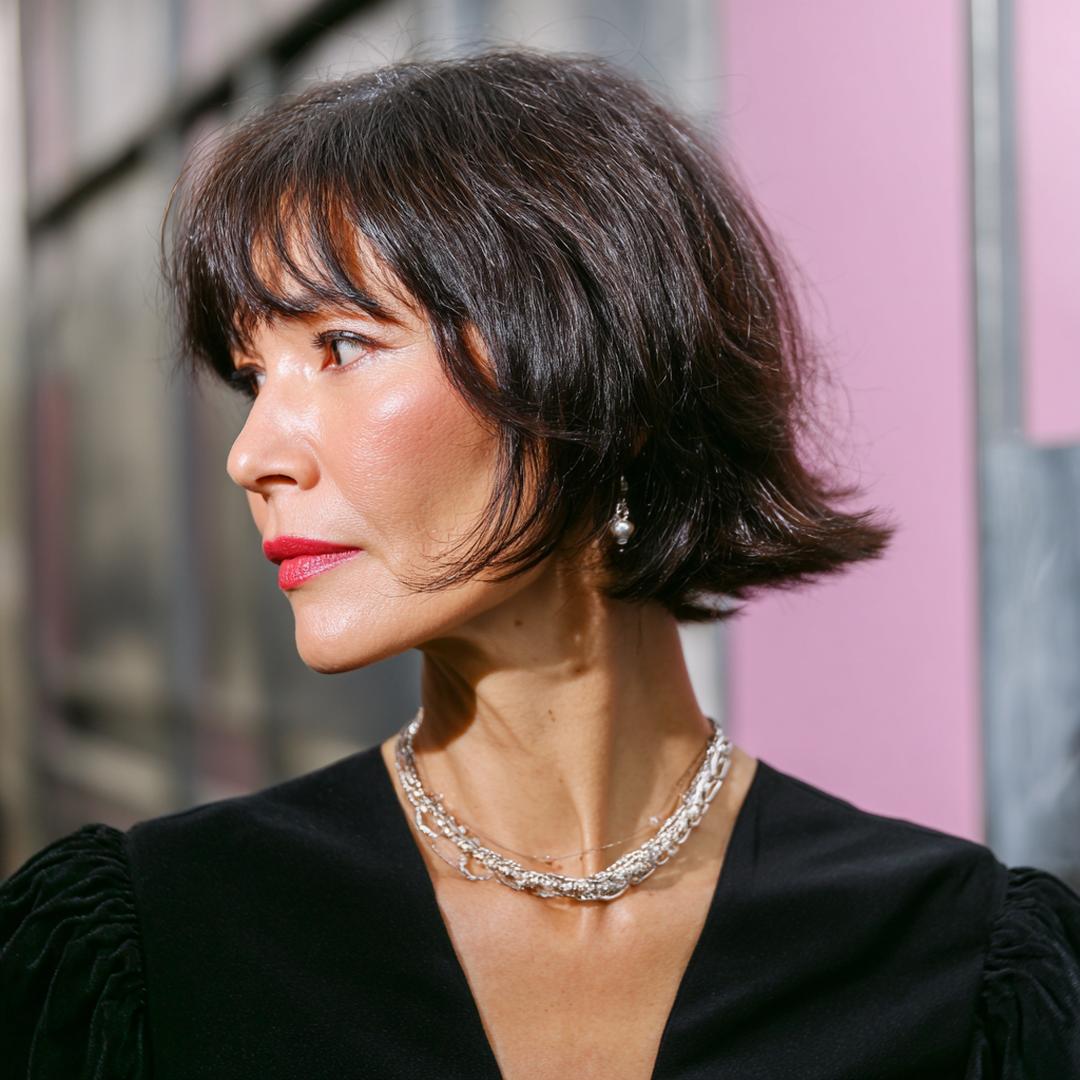
The classic bob remains useful because its straight perimeter creates a controlled neckline. Blunt bob structures are defined by a clean one-length edge.
I prefer this approach when the priority is simple styling.
Soft Neck-Skimming Bob With Airy Fringe
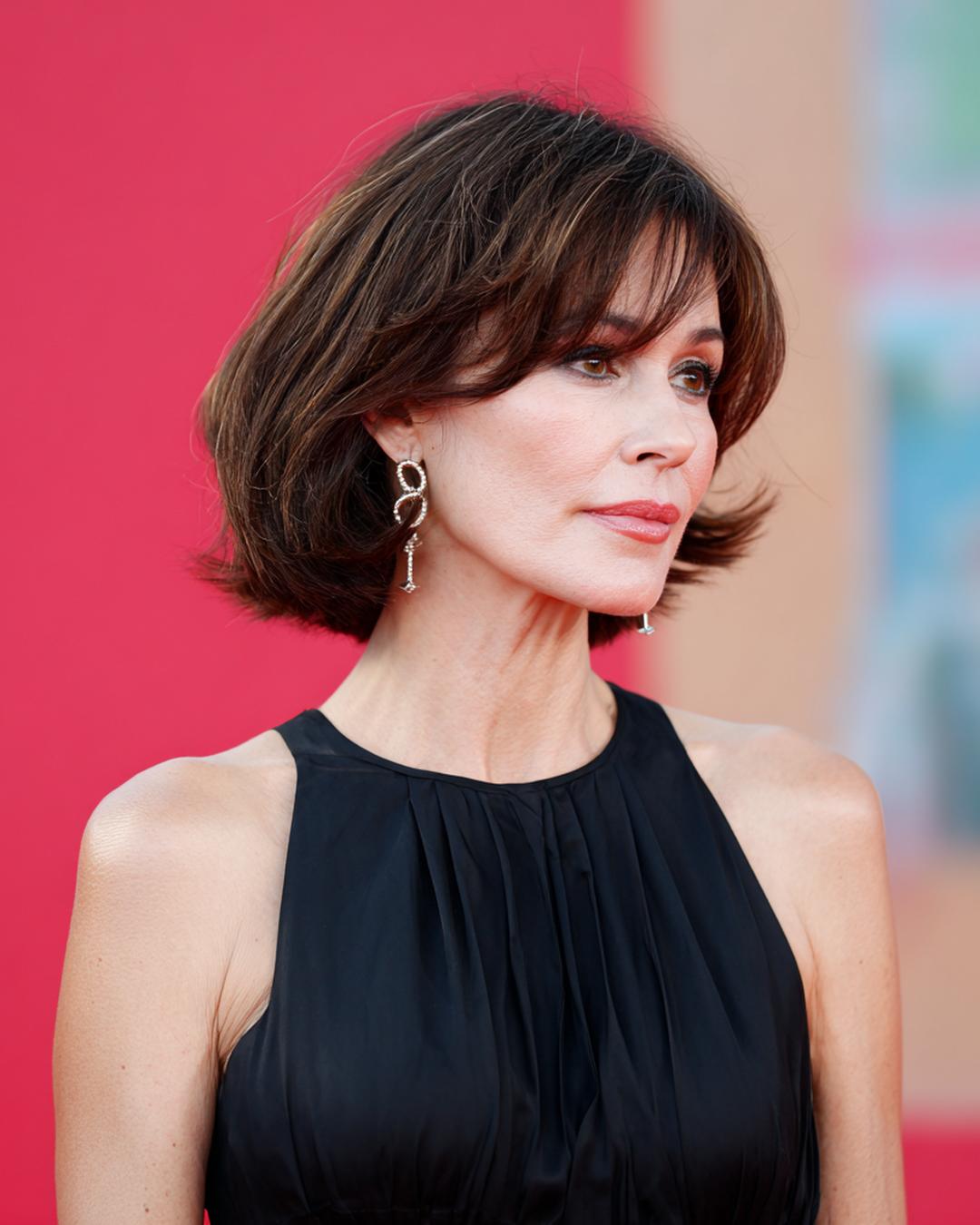
This bob pairs a neck-skimming back with a lighter fringe. The fringe should match hair density to avoid extra styling effort.
A round brush and heat protection are useful when creating soft movement.
Sculpted Short Bob That Hugs The Nape
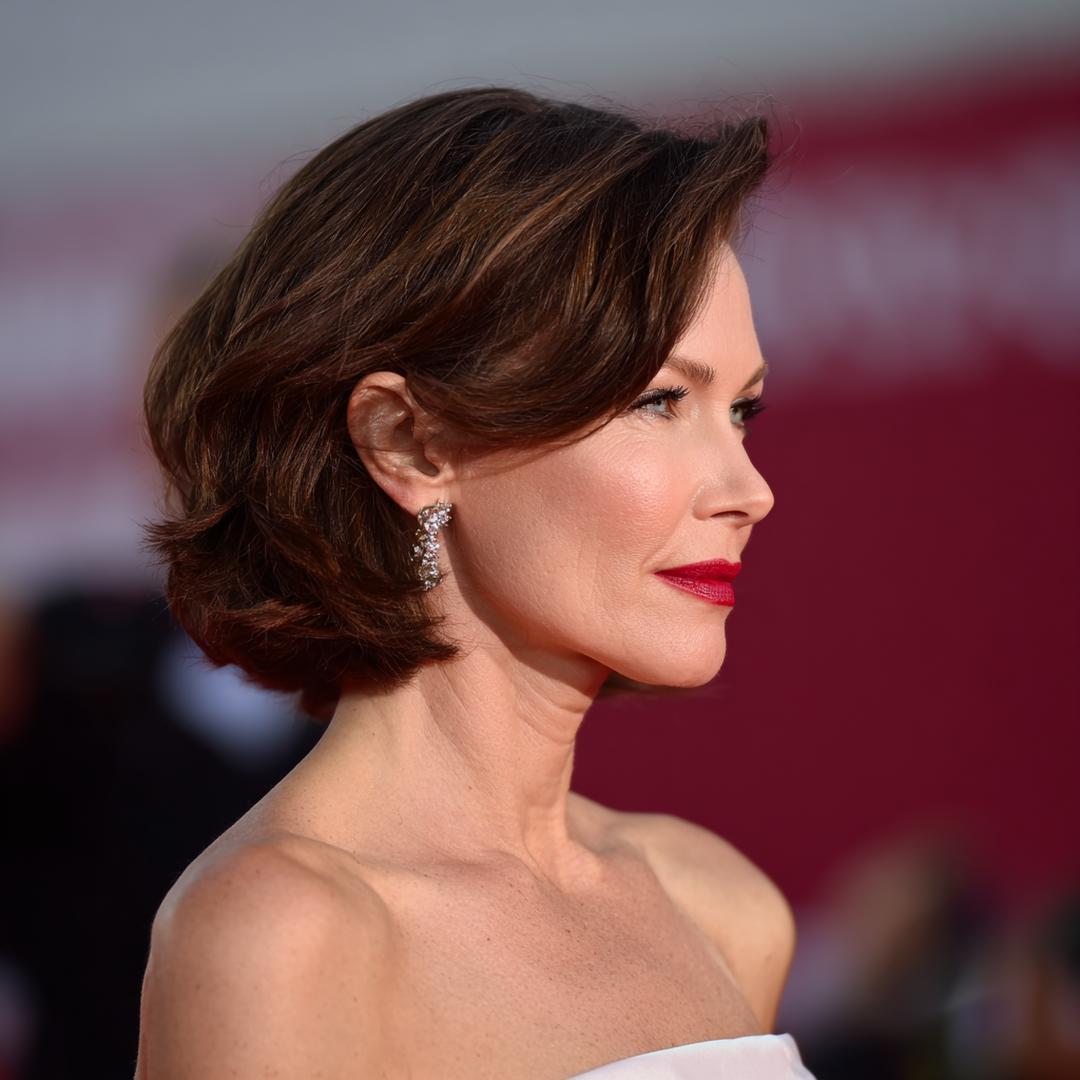
A sculpted bob follows the curve of the head and keeps the nape close. It works through precise shaping rather than volume alone.
Expect salon visits roughly every six weeks if the outline must stay sharp.
Classic Ear-Grazing Bob With Gentle Fringe
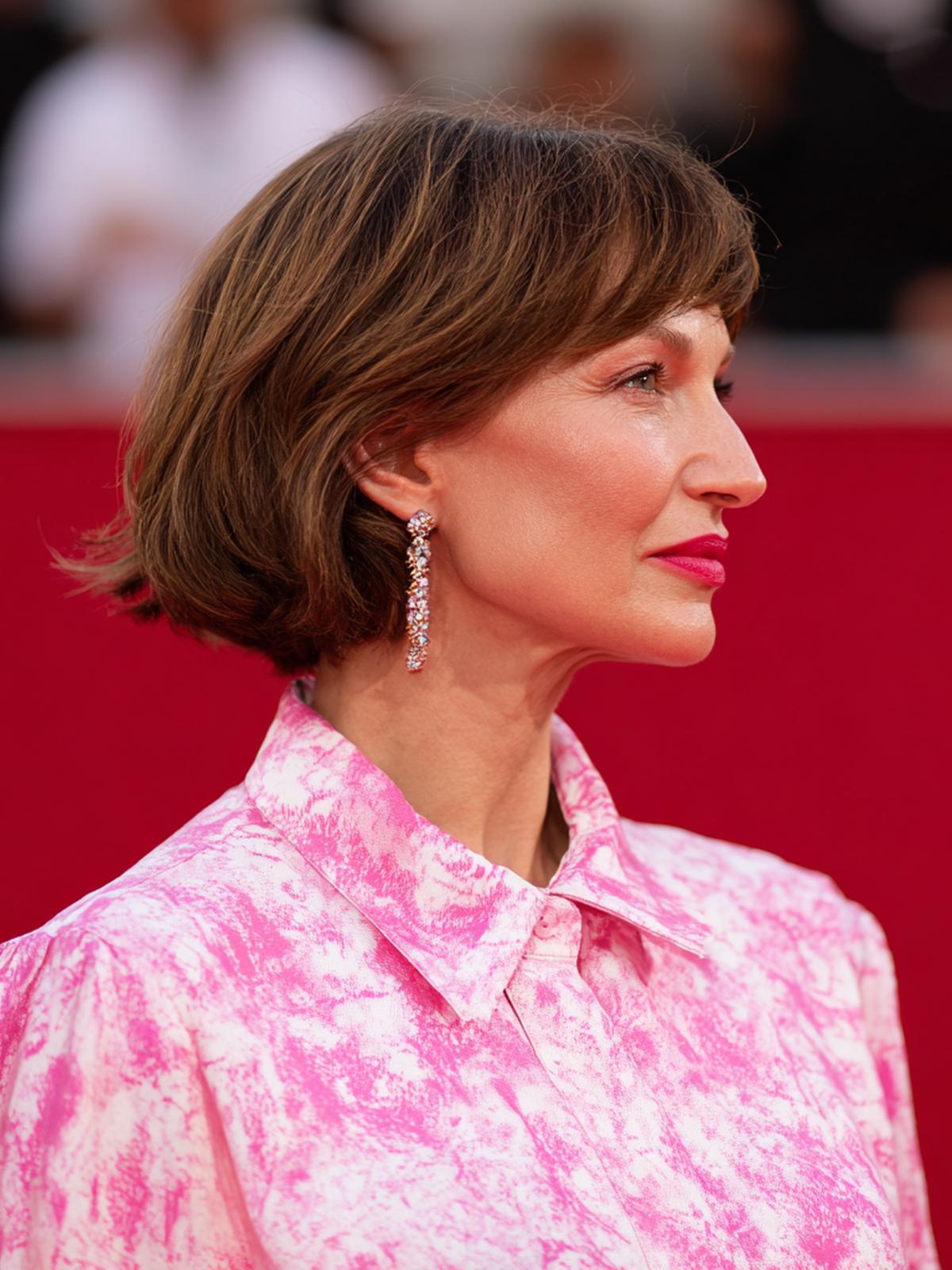
This shorter bob sits near the ears with a gentle fringe. The compact length makes styling fast but requires regular trims.
Curly and coily textures may need customized cutting because shrinkage changes the final length.
Tousled Crop That Cloaks The Nape
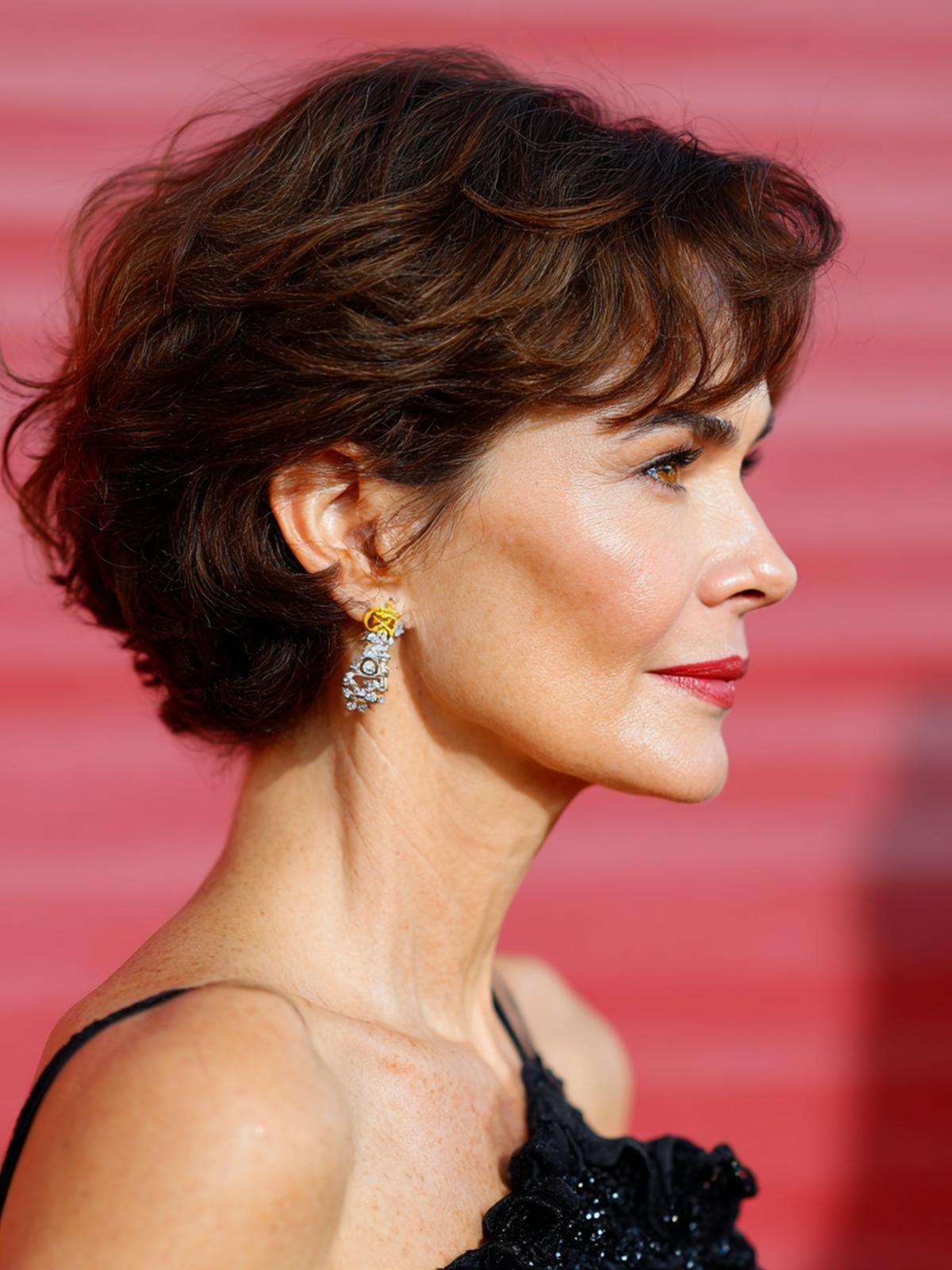
A tousled crop keeps softness through texture while covering the back. Modern short cuts often favor lived-in finishes over rigid shapes.
A small amount of product is usually enough for daily definition.
Sleek Pixie Bob With Veiled Nape
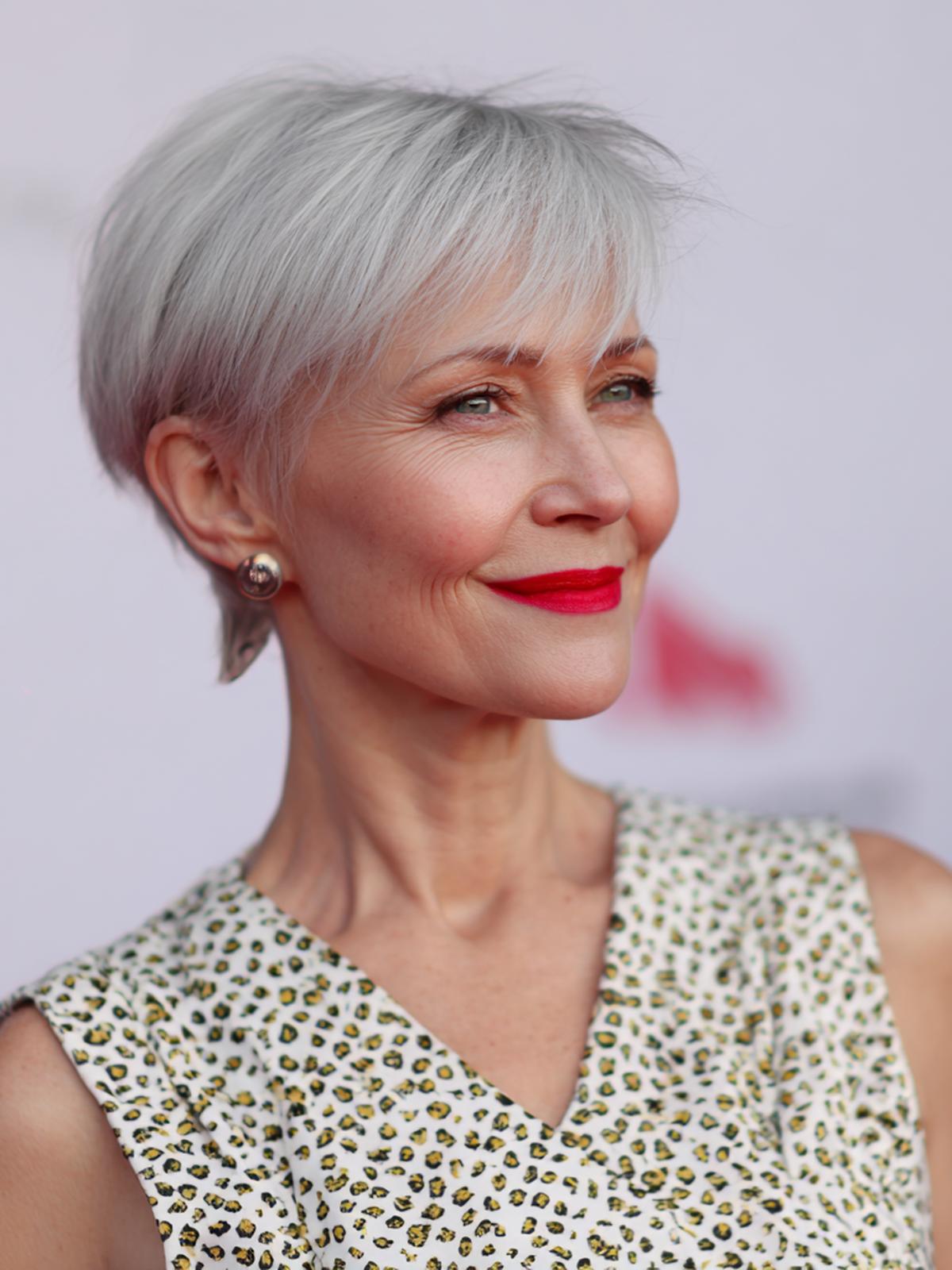
This hybrid cut combines pixie structure with bob-like length. The longer nape section changes the feel of a traditional pixie.
Straight hair shows the sleek finish best, while waves create extra softness.
Feathered Short Bob With Tucked Nape
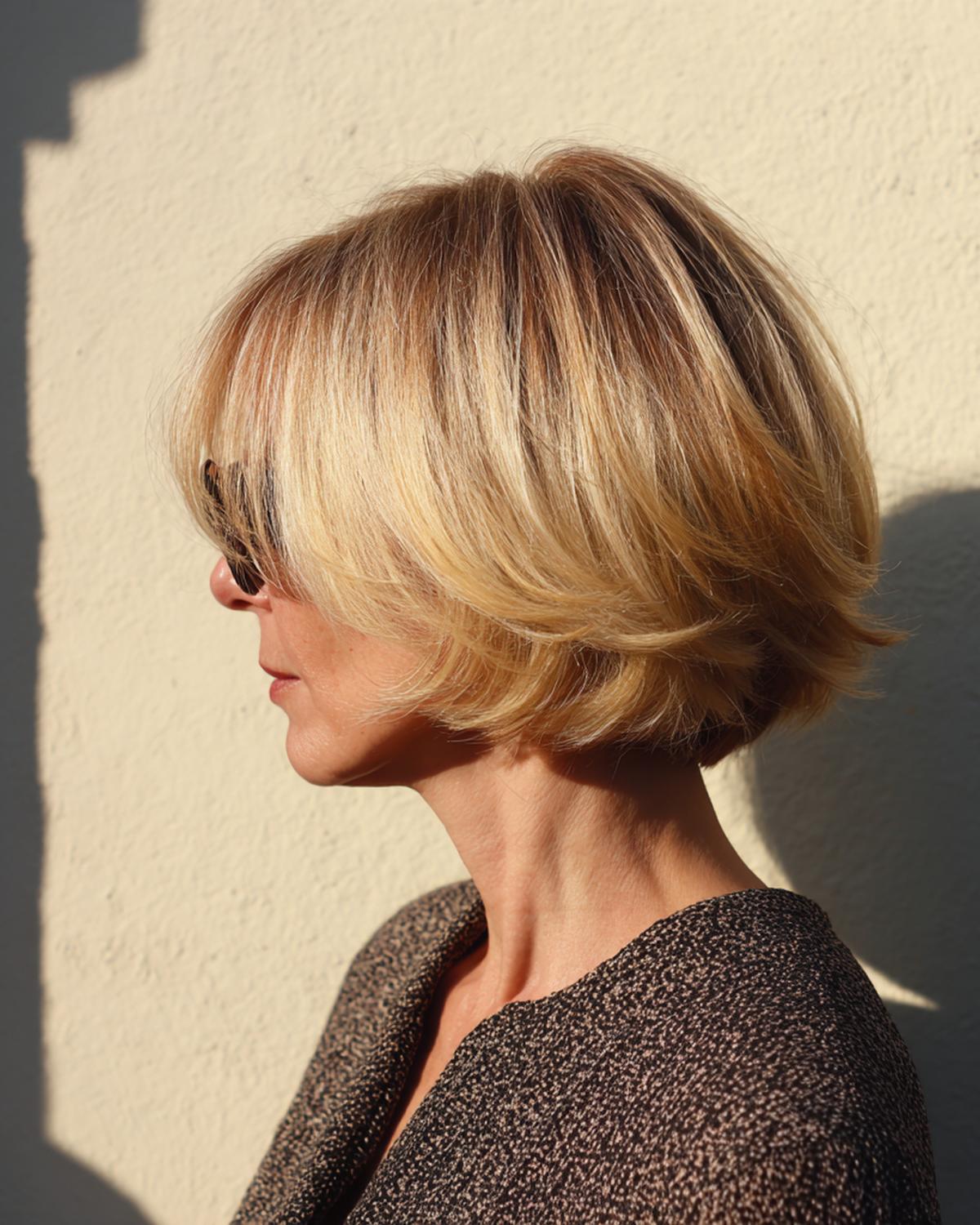
Feathering removes weight and creates a tucked-back shape. I like this for hair that needs lighter movement without losing coverage.
Maintenance depends on how quickly the short layers grow.
Breezy Chin Bob With Light Bangs

This chin bob combines a neat length with airy bangs. The chin placement gives a clear structure while remaining flexible.
Bangs usually need more frequent shaping than the rest of the cut.
Wavy Short Bob With Covered Nape
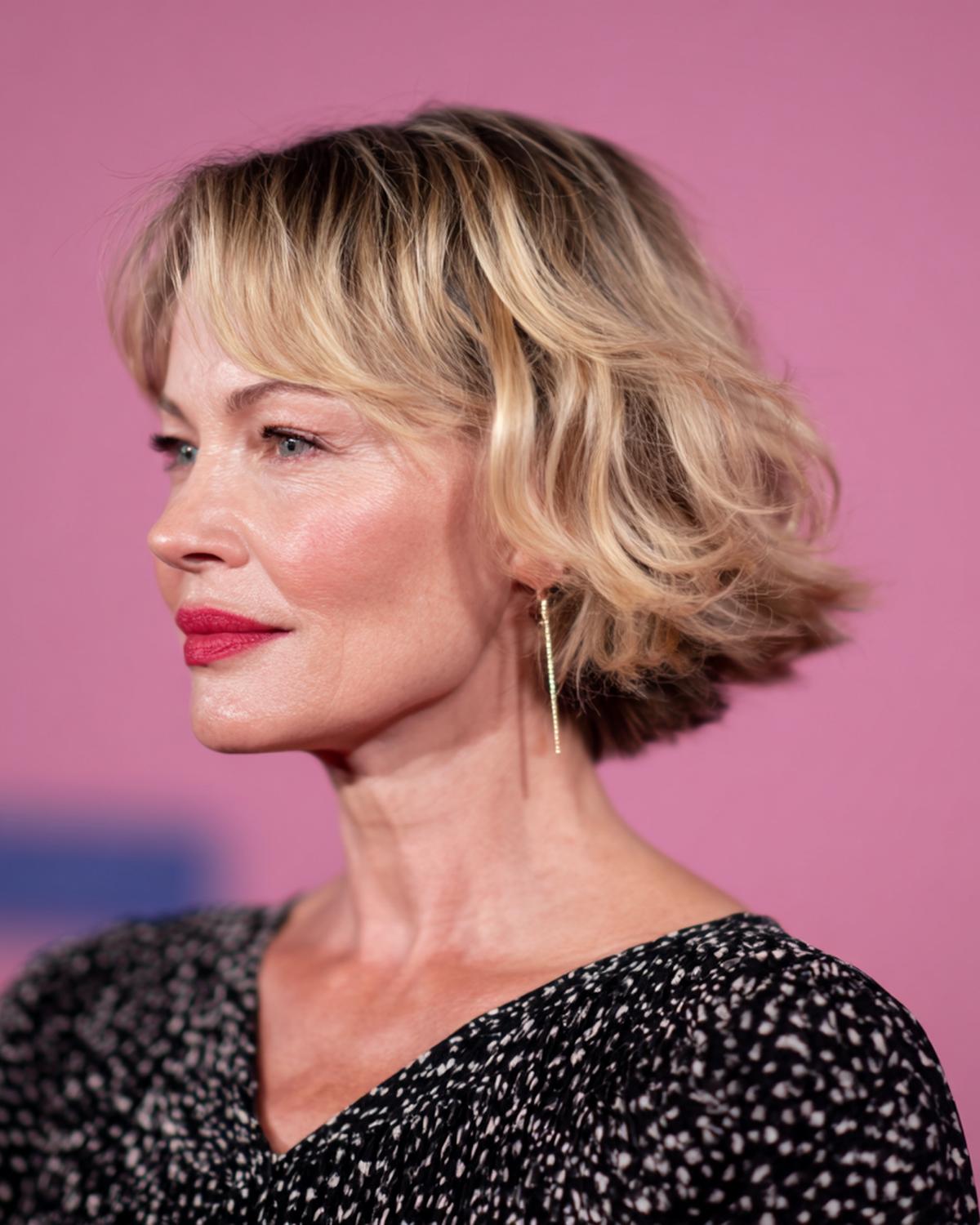
Natural waves can make a covered-nape bob look fuller. Wavy bobs are often built around movement and texture.
Use heat protection before hot tools because styling products cannot fully reverse heat damage.
Polished Round Bob With Full Fringe
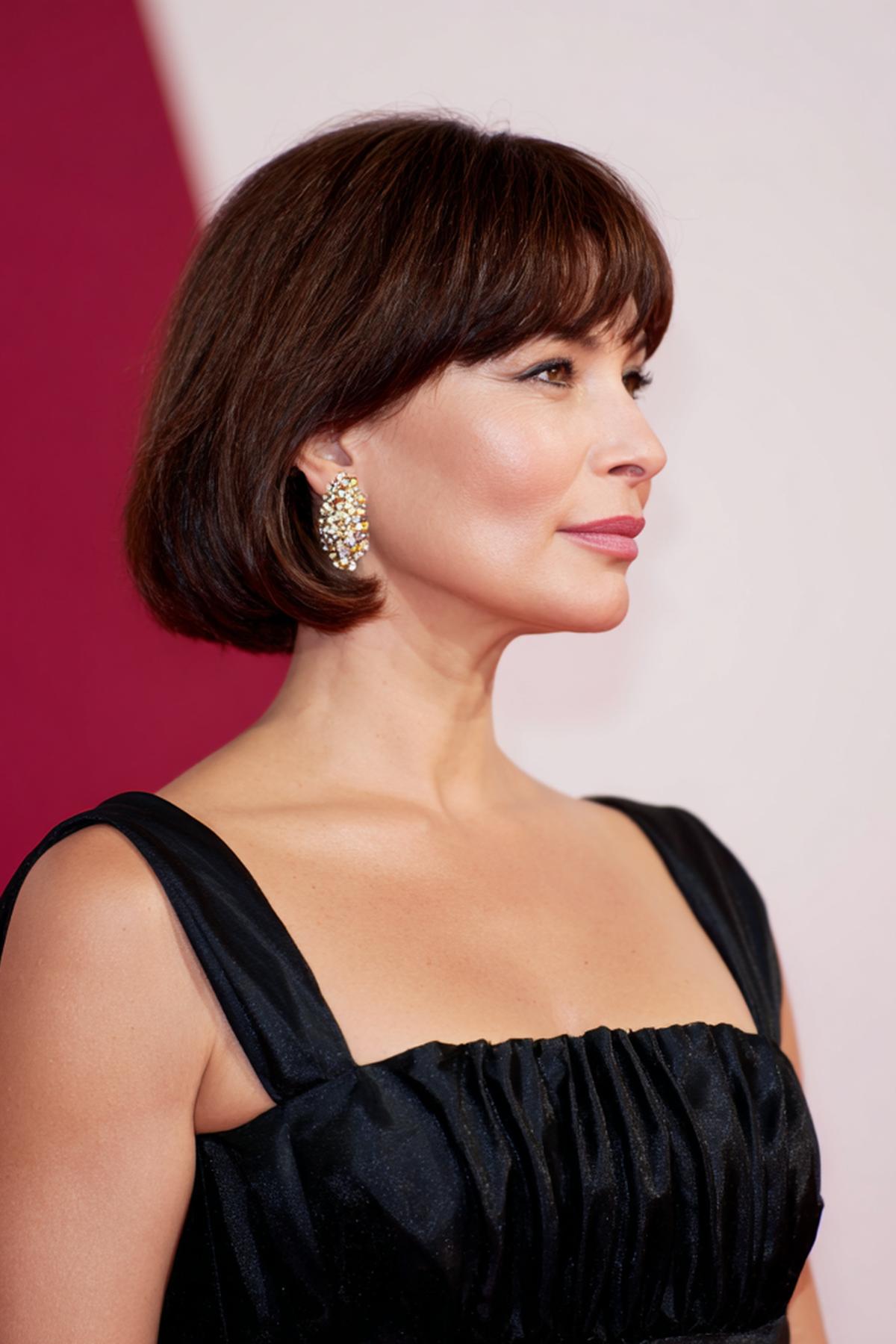
This rounded bob uses a full fringe and curved back for a polished result. The rounded outline needs careful trimming to stay balanced.
It suits people who enjoy a more structured styling routine.
Layered Nape-Hugging Pixie Bob
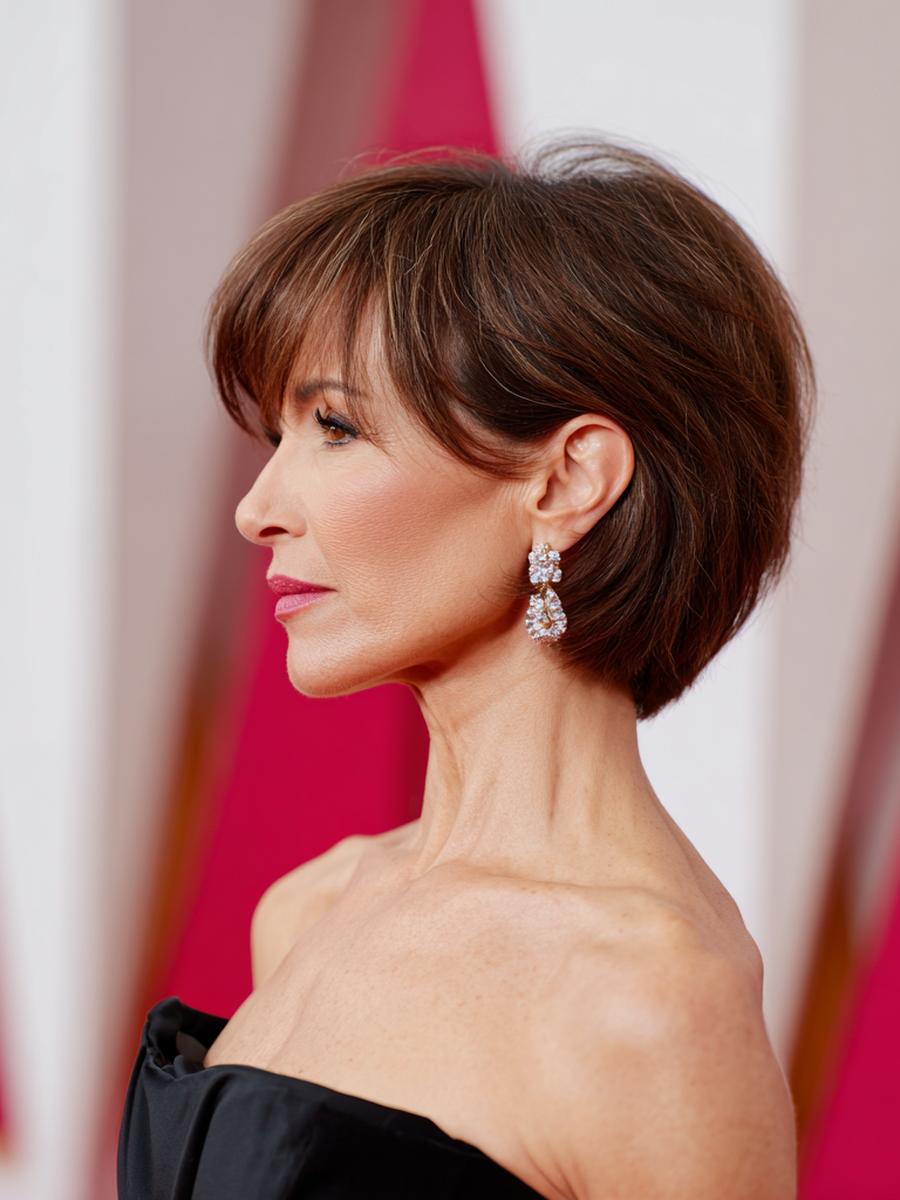
This final option blends pixie length with bob softness. The nape-hugging layers create coverage while keeping the haircut light.
Before choosing any short cut, bring reference photos and discuss your hair texture, density, and realistic maintenance schedule.
Soft Bob That Covers The Nape
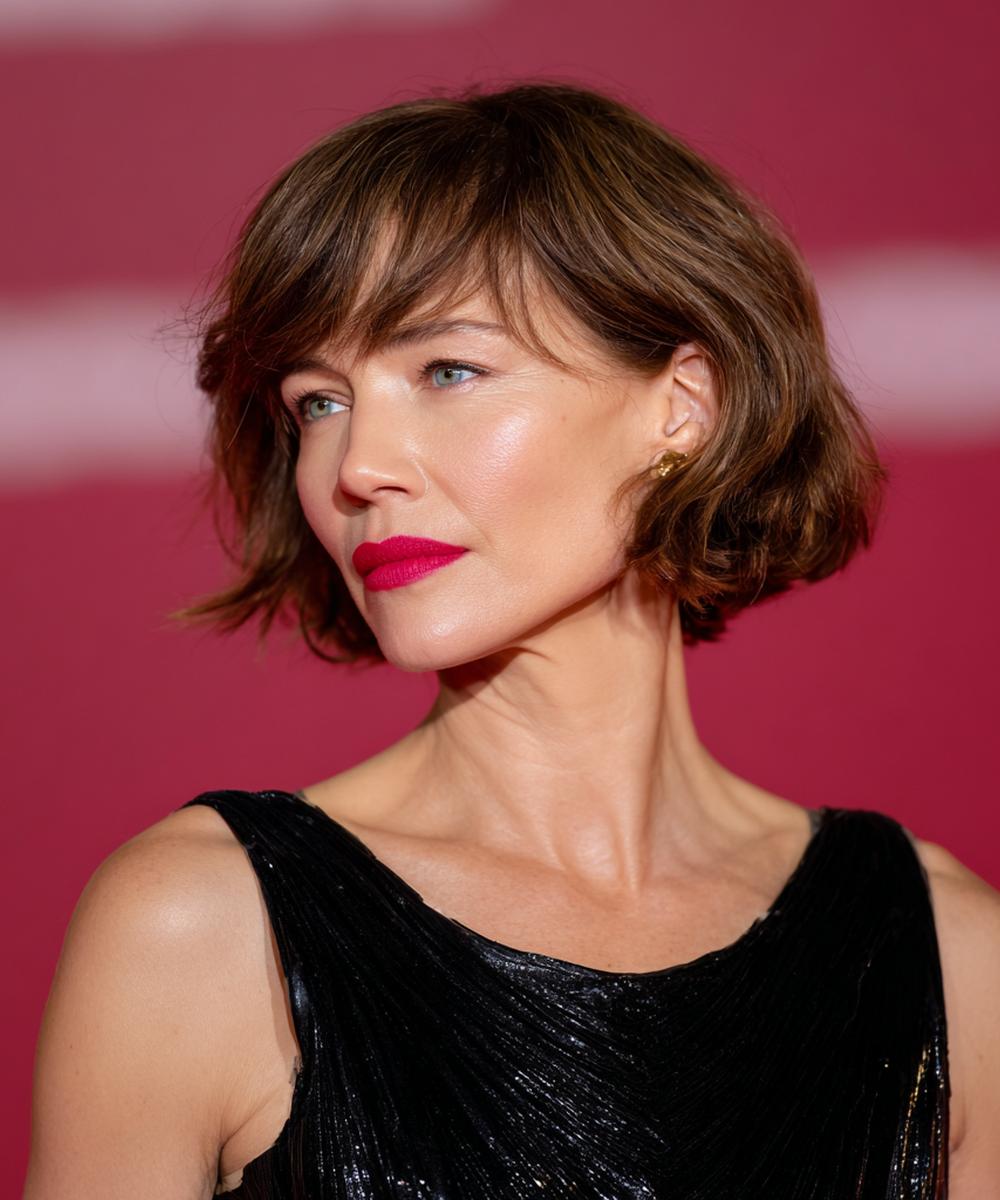
The soft bob keeps a gentle curve through the back instead of a sharp exposed edge. The key detail is light internal texture, which helps the ends move without losing the rounded outline.
This cut usually sits between the jaw and lower neck, taking around 10 minutes to style after the first few attempts. Fine hair often benefits from lightweight products, while thick hair may need more weight removal through the interior.
Sculpted Crop With Subtle Nape Coverage
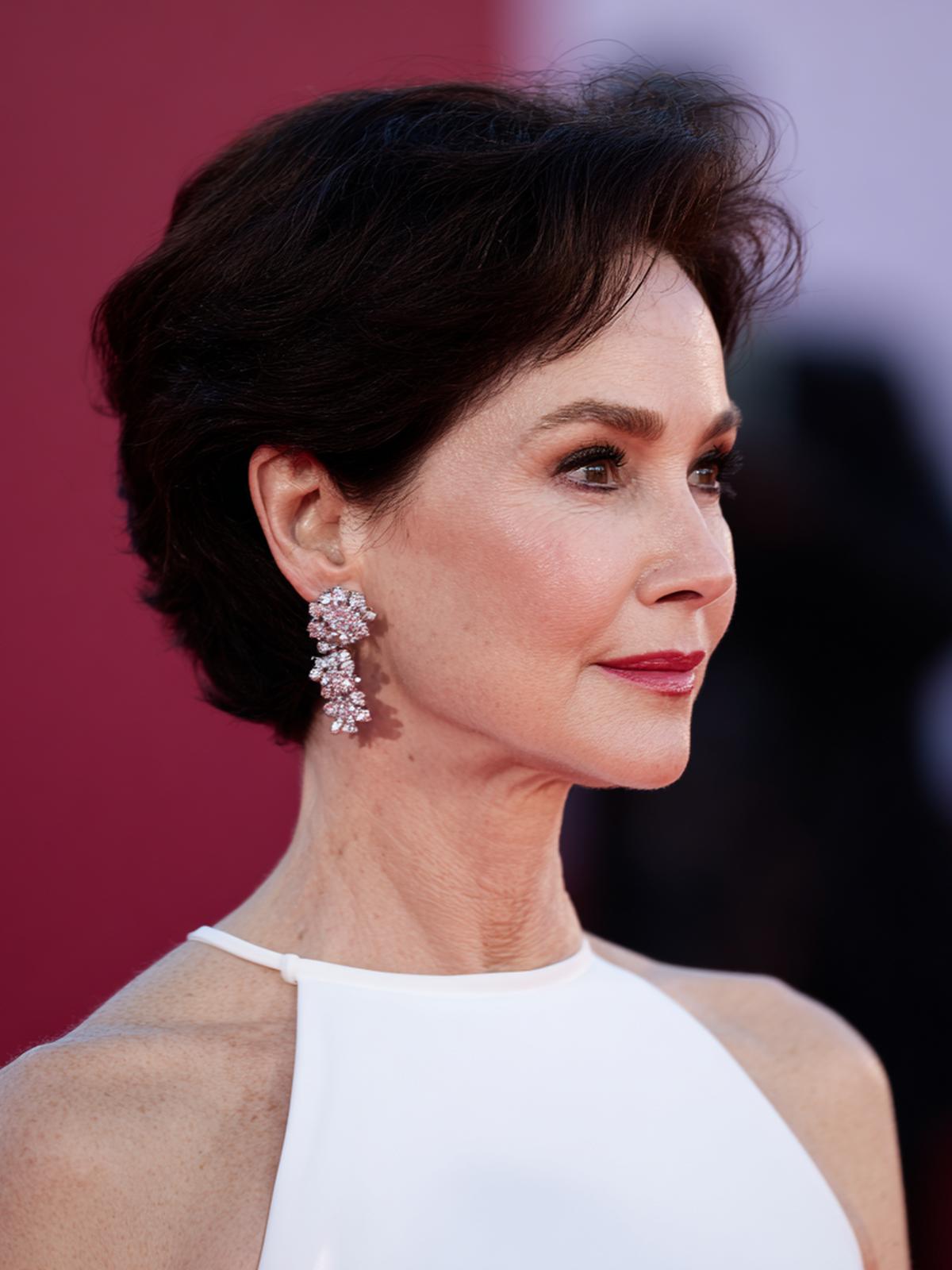
A sculpted crop uses shorter sides with a carefully shaped back, creating a clean nape silhouette without making the neckline feel bare.
I find this option works best when the cut follows the natural growth pattern. Straight and wavy hair often show the shape clearly, while curly and coily textures need a curl-aware approach because shrinkage changes the final length.
Styling tip
Ask for the finished neckline shape before cutting begins. The same crop can look very different depending on how much weight remains at the back.
Platinum Bob That Skims The Collar
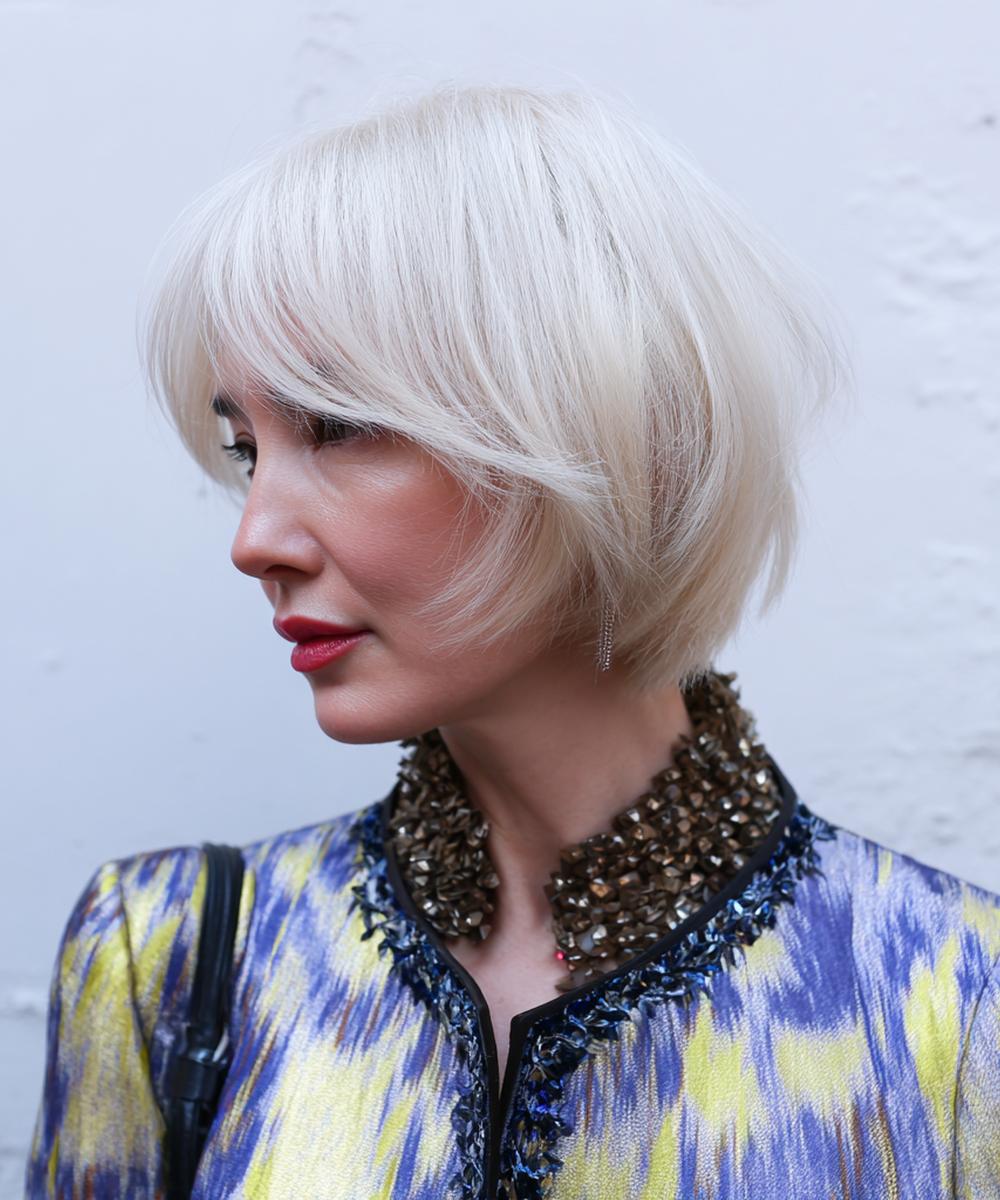
A platinum bob that reaches the collar combines a precise cut with a high-maintenance colour choice. The strongest feature is the collar-skimming length, which gives the blonde tone a clean frame.
Lightening requires professional assessment, especially for previous colour, henna history, or fragile hair. A salon colour consultation should include a strand test and a 48-hour allergy test before application.
Advantages
- Creates a clear bob outline
- Works well with polished styling
Considerations
- Colour maintenance can be frequent
- Bleach services need professional care
Classic Bangs Bob With Nape Hug
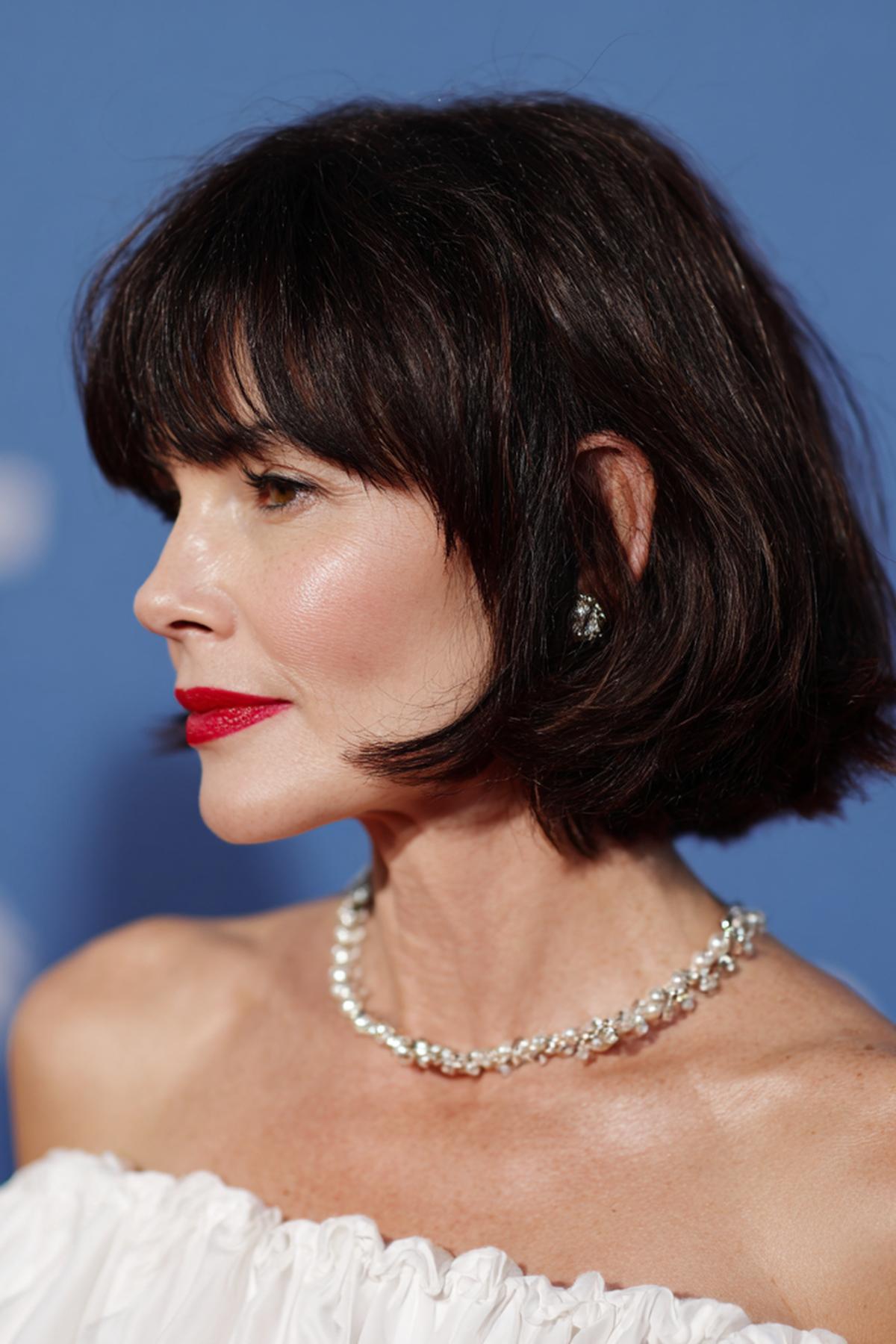
The classic bangs bob pairs a structured front with a back section that gently follows the neck. The balance comes from matching the fringe and nape so neither area dominates.
I usually recommend discussing fringe behaviour before cutting because cowlicks, curl patterns, and hair density can change how bangs sit. A first styling attempt may take 15 minutes until the movement becomes familiar.
| Hair type | Adjustment |
|---|---|
| Fine | Keep weight for fullness |
| Thick | Remove controlled interior bulk |
| Curly | Plan for shrinkage |
Feathered Short Cut Shielding The Neck
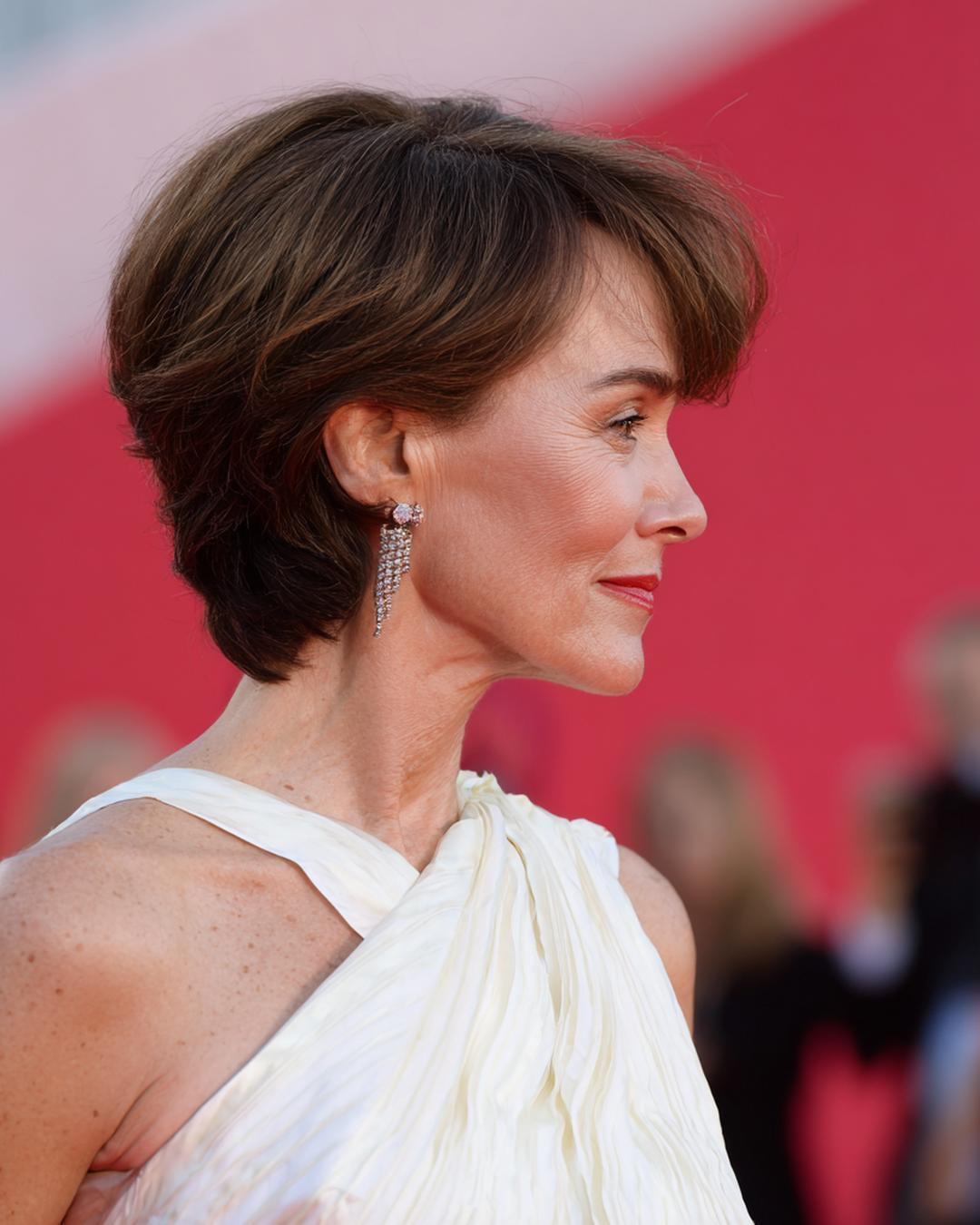
The feathered short cut creates softness through layered ends rather than a solid block. Its signature is feathered movement that lets pieces fall around the neckline.
This shape can suit many textures, but the technique changes. Fine hair usually needs careful layering to avoid looking thin, while thick hair often needs strategic removal rather than more layers.
- Choose. Decide the longest point before removing length.
- Shape. Build layers according to density and texture.
- Maintain. Refresh the outline when the nape loses its shape.
Rounded Bob Gently Veiling The Nape
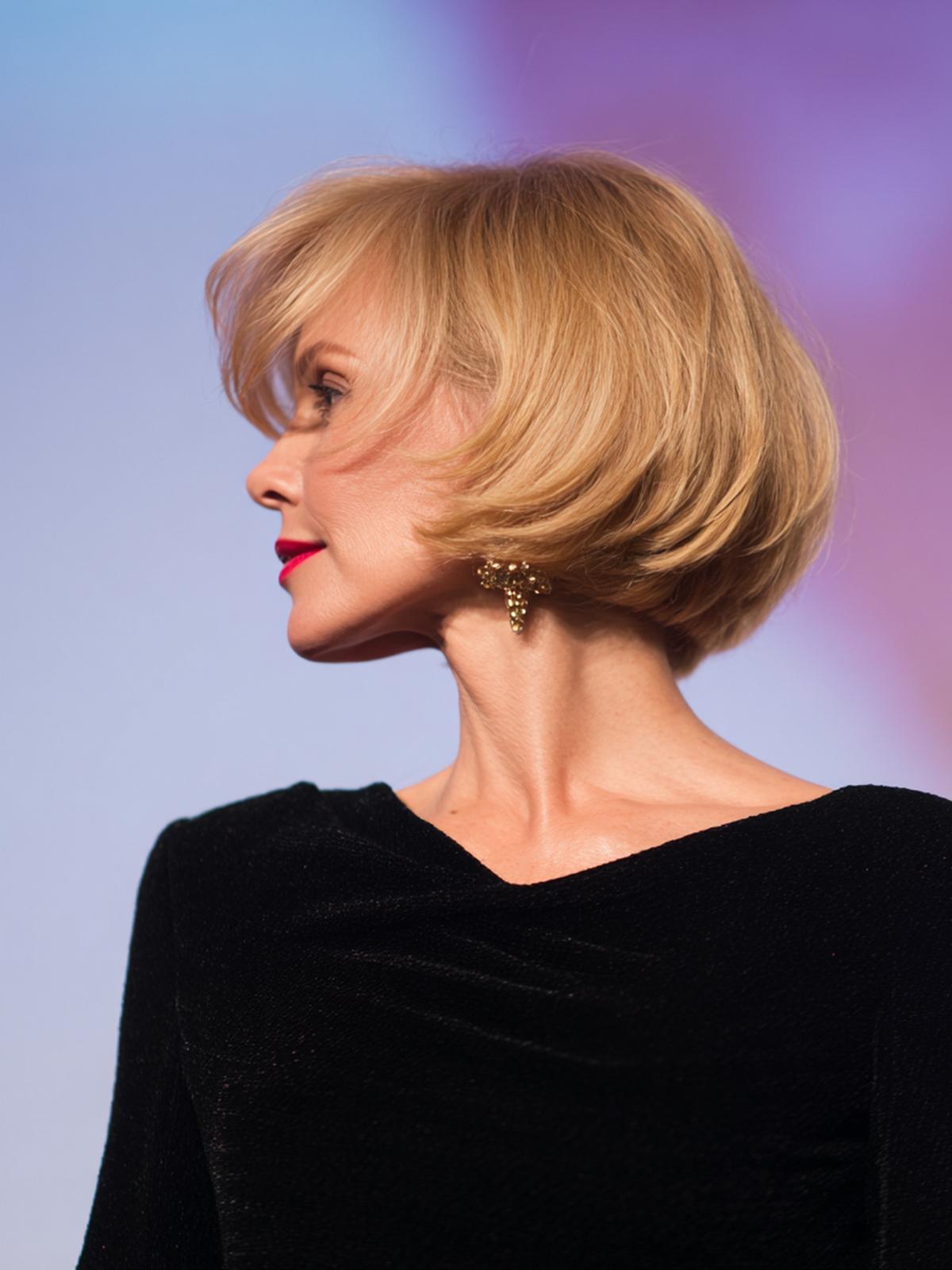
The rounded bob uses graduation to create a curved profile at the back. The main feature is balanced nape shaping, which keeps the cut compact without looking severe.
I like this option for people who want a classic outline with softer movement. The grow-out is usually predictable, although the rounded shape may need refreshing every two months to stay defined.
6–10 weeks
Typical bob reshaping window depending on growth speed
Textured Crop That Hides The Neckline
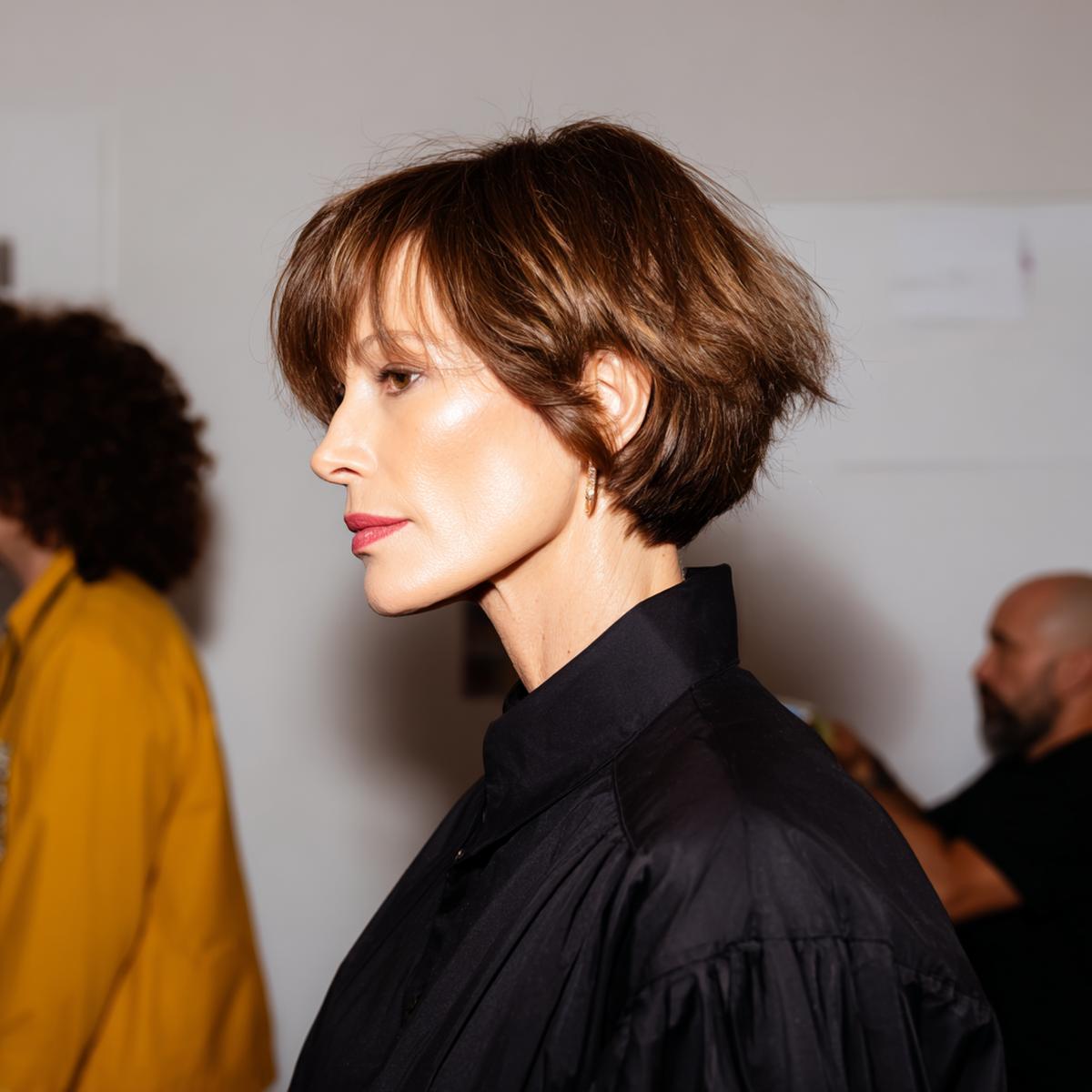
The textured crop keeps the top active while the back stays controlled. The appeal comes from piecey texture rather than a perfectly smooth finish.
This cut often takes only a few minutes to style, but the neckline requires regular attention. Tight or painful styling should be avoided because repeated tension can contribute to traction alopecia.
- Confirm top length before cutting
- Discuss neckline preference
- Use heat protection when applying hot tools
Tousled Bob Sitting On The Collar
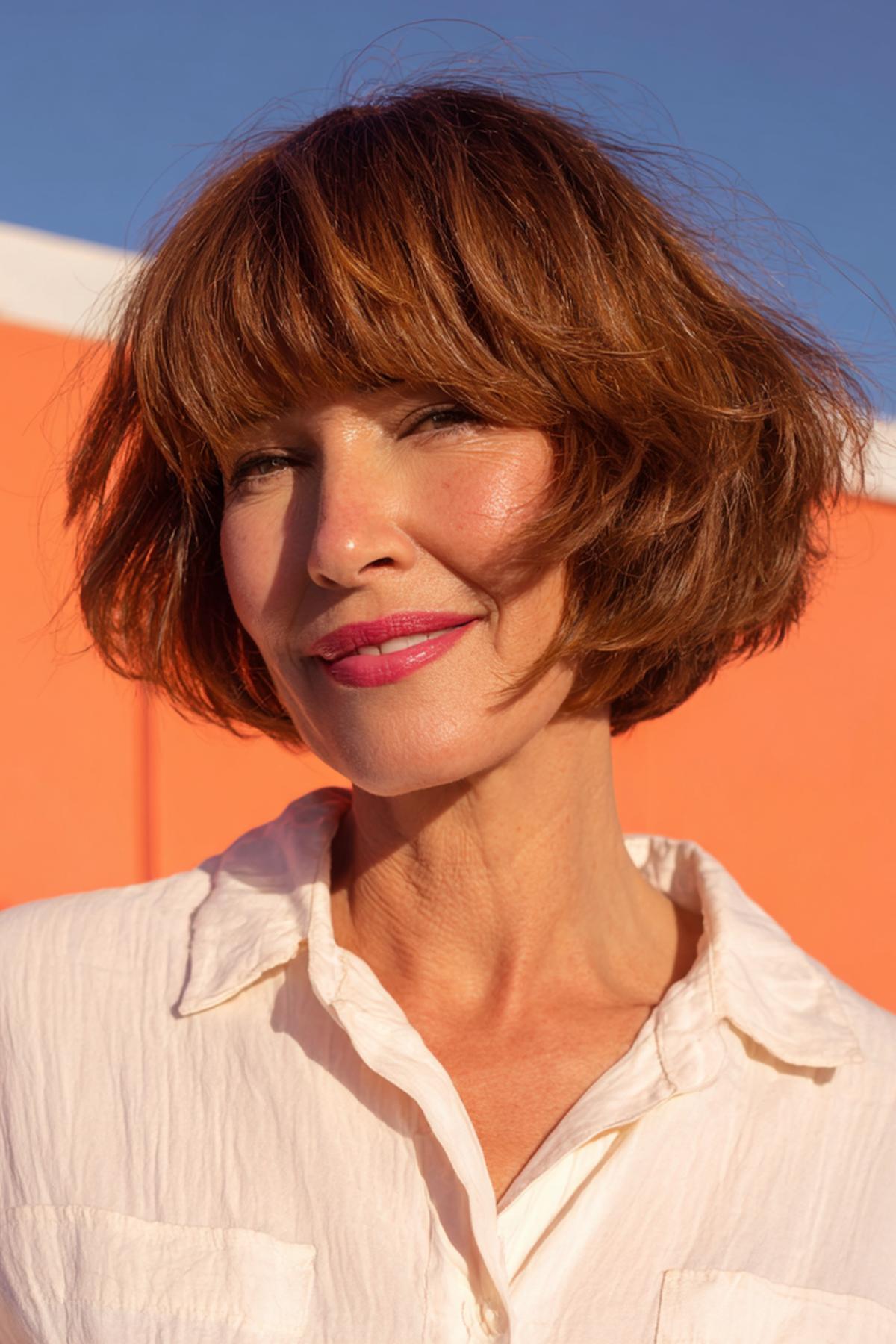
The tousled bob sits around the collar with a relaxed finish. Its strength is intentional movement, created through texture and styling rather than excessive product.
Wavy hair may naturally support this shape, while straighter hair often needs a texture spray or gentle heat styling. The first few styling sessions usually take longer while learning the direction of the layers.
The modern bob is moving toward softness, movement, and individual texture.
Hair trend reporting, 2026
More Pinterest Visuals