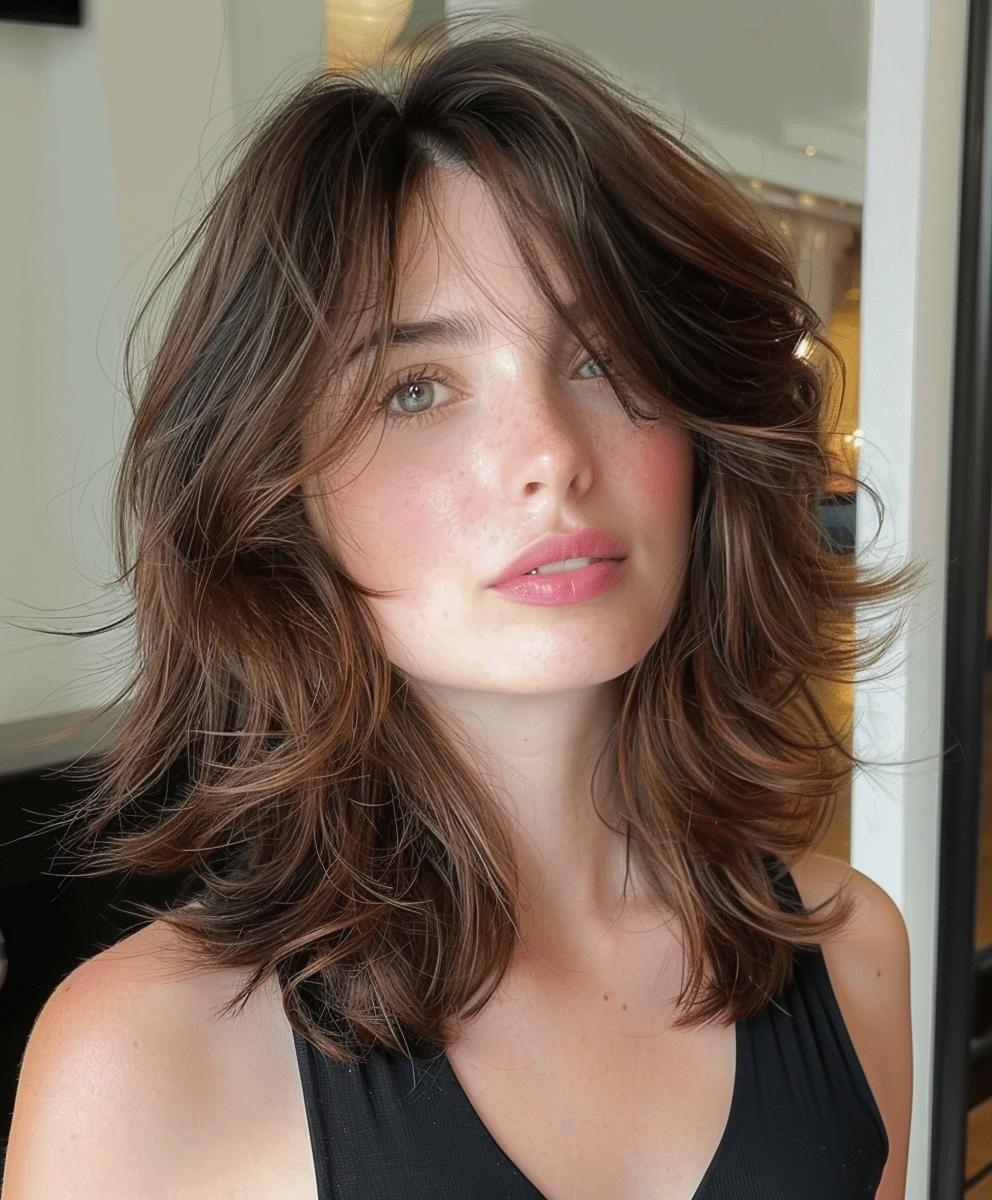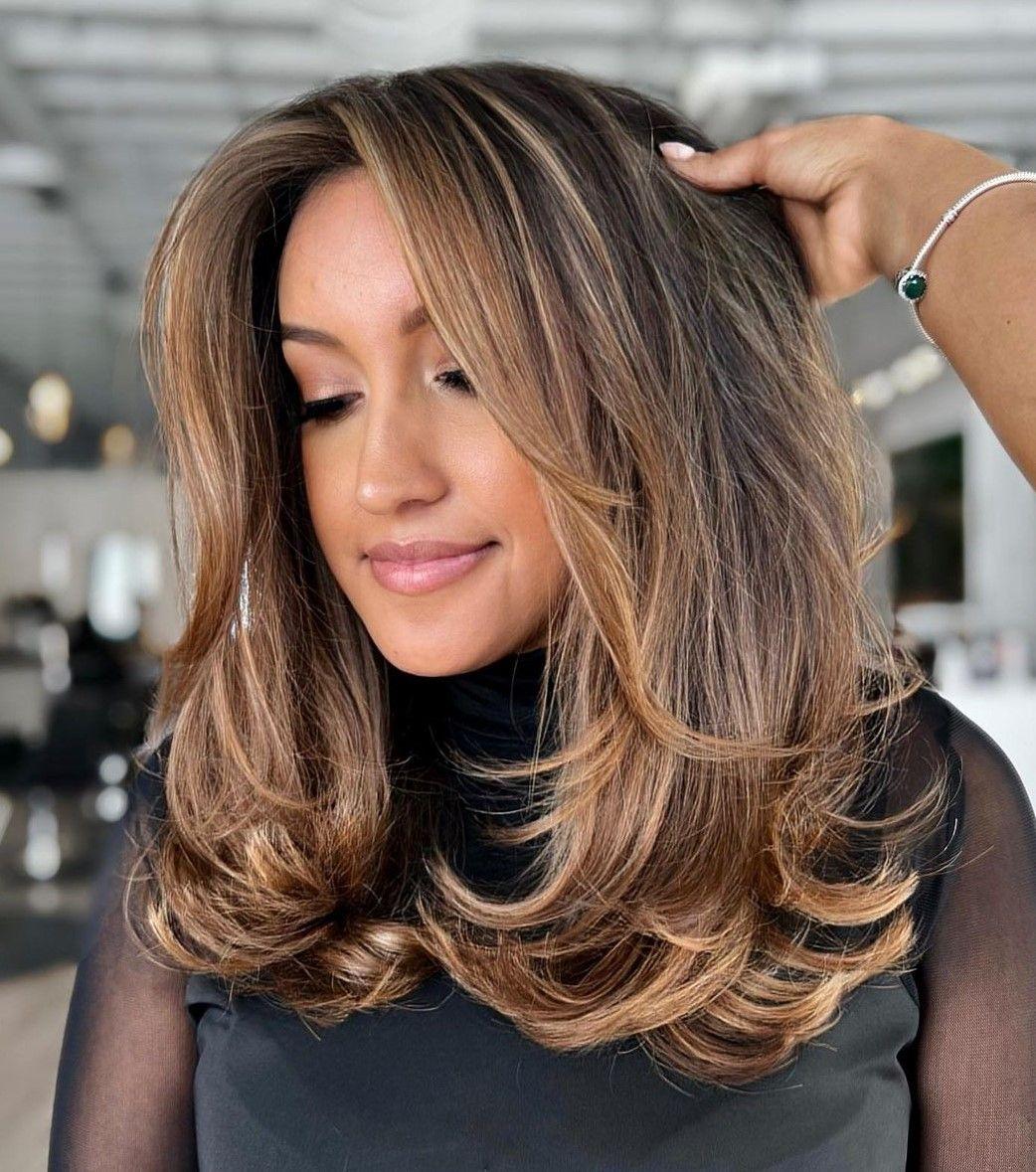
Face framing curtain bangs are one of those cuts that can look completely different depending on length, texture, parting, and styling. I look at this style as a shape-building technique rather than one fixed haircut: the shortest pieces, the angle around the cheeks, and the amount of layering all change the result.
Below are 20 variations that show how curtain bangs can work across different hair lengths and textures. Each option includes the details that matter before booking a cut, from maintenance needs to styling time.
Quick guide to face framing curtain bangs
- Best for: adding movement around the face without committing to a full fringe.
- Maintenance: most shapes need a trim around every 6 to 10 weeks to keep the framing balanced.
- Styling reality: many versions need a round brush, blow dryer, or heat styling to create the signature curve.
Classic Face Framing Curtain Bangs
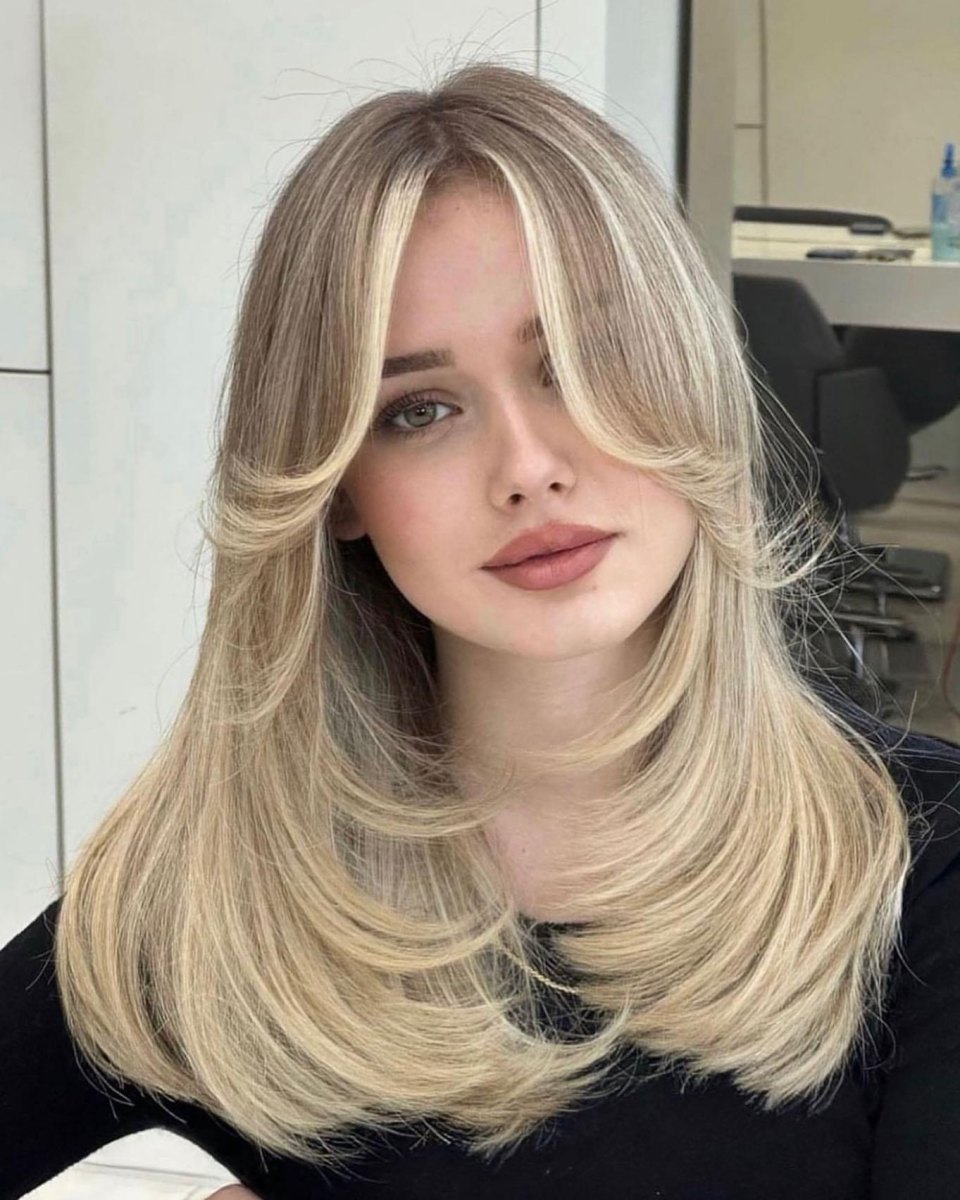
The classic version starts with a centre part and soft pieces that open away from the forehead. This is the shape I usually see requested when someone wants movement without a dramatic fringe.
The cut works best when the shortest point sits around the cheekbone or slightly below. A first styling attempt usually takes 10 to 15 minutes while learning the direction of the blow dry.
Long Face Framing Curtain Bangs
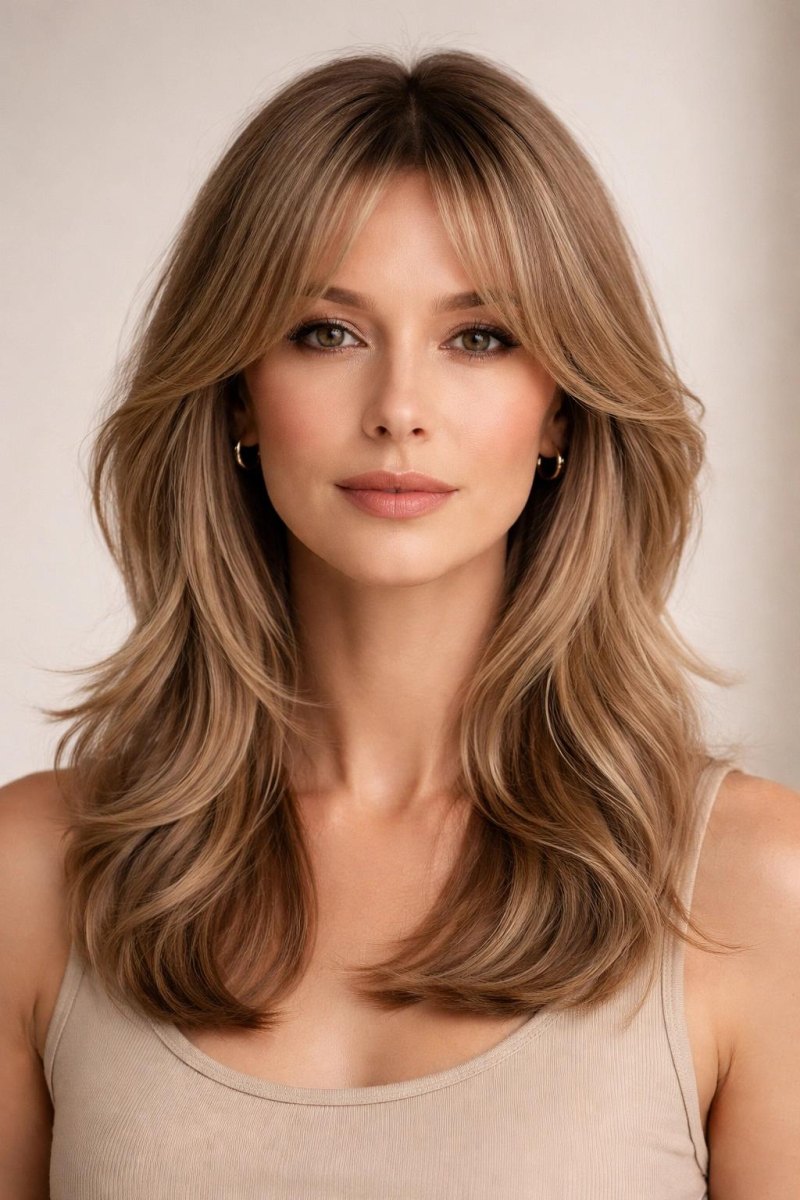
Long curtain bangs are a practical choice for anyone nervous about a shorter fringe. The pieces usually blend into the haircut around the jaw or collarbone, making the grow-out less noticeable.
I prefer this length when someone wants a change that still allows ponytails, clips, and quick styling days.
Short Face Framing Curtain Bangs
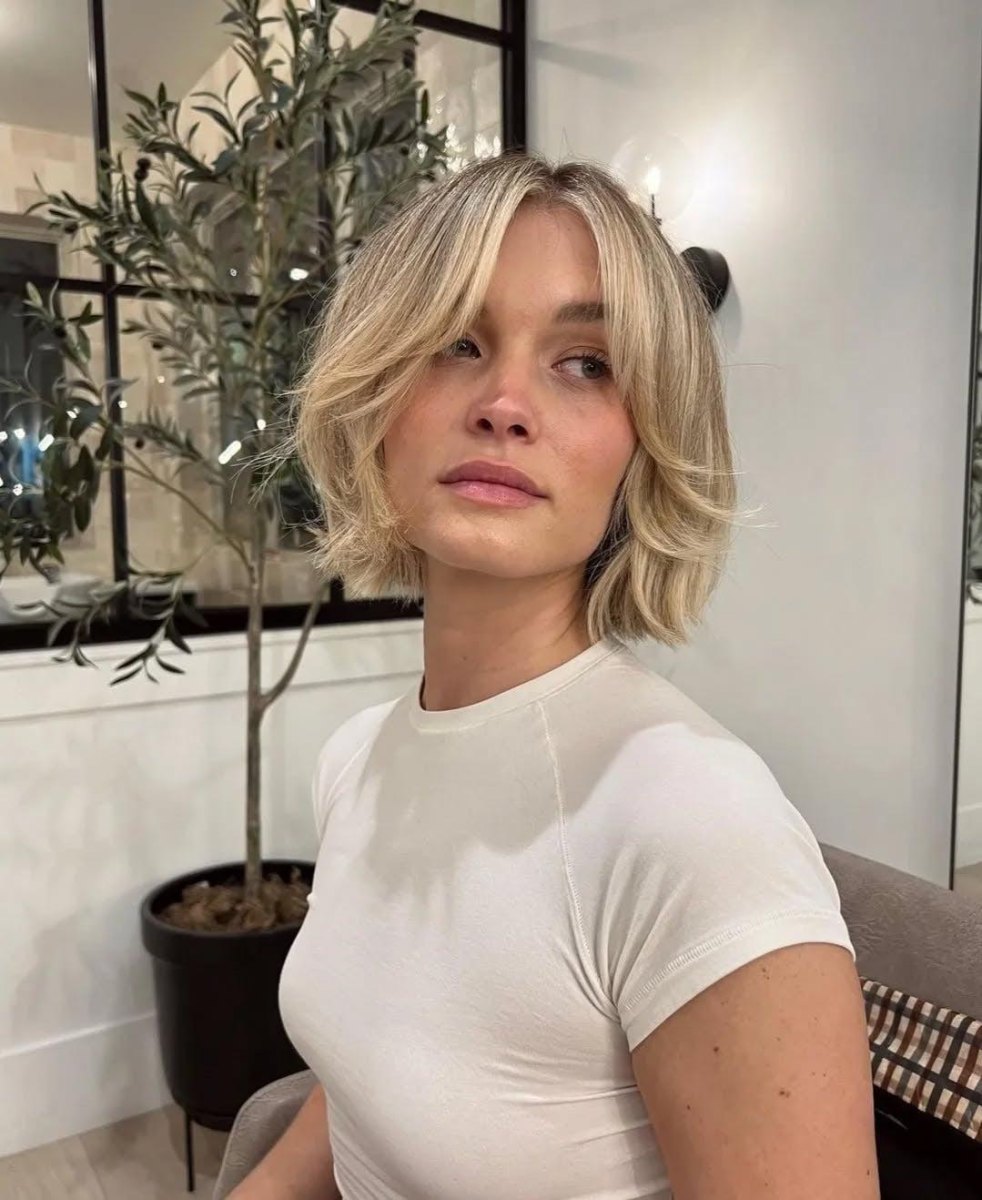
Short curtain bangs sit higher and create more visible structure around the forehead and eyes. They need more regular trims because small length changes alter the shape quickly.
Styling tip
Shorter pieces usually need directional drying rather than heavy products. Too much product can make the fringe separate and lose its airy movement.
Face Framing Curtain Bangs for Long Hair
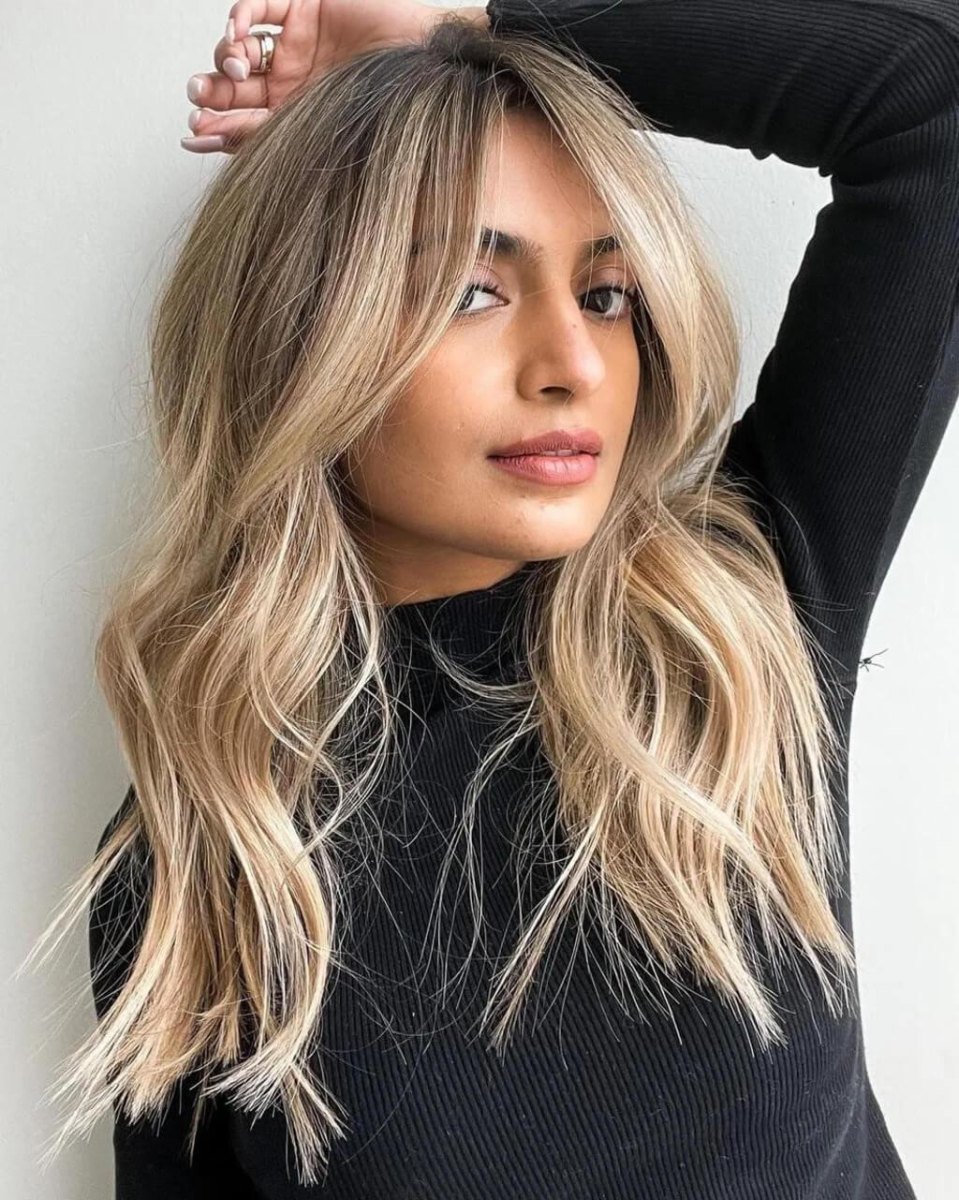
Long hair can sometimes look heavy around the front, and curtain bangs add a lighter transition between the face and the lengths. The best results usually come from blending the bangs into existing layers.
For thick long hair, removing weight carefully matters more than simply cutting shorter pieces.
Face Framing Curtain Bangs for Medium Hair
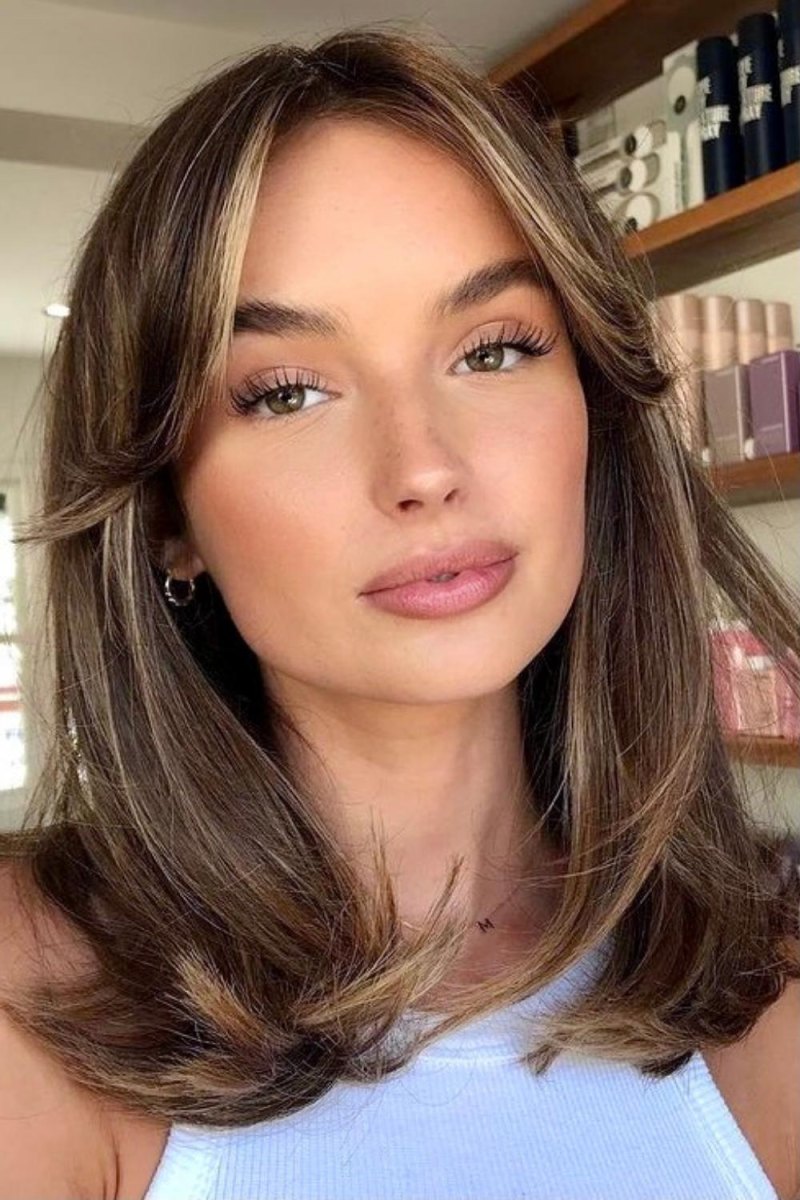
Medium-length cuts often show the shape of curtain bangs most clearly because the front layers have enough room to move. This length usually balances volume and styling effort.
A maintenance trim every couple of months helps prevent the front pieces from losing their intended angle.
Face Framing Curtain Bangs for Short Hair
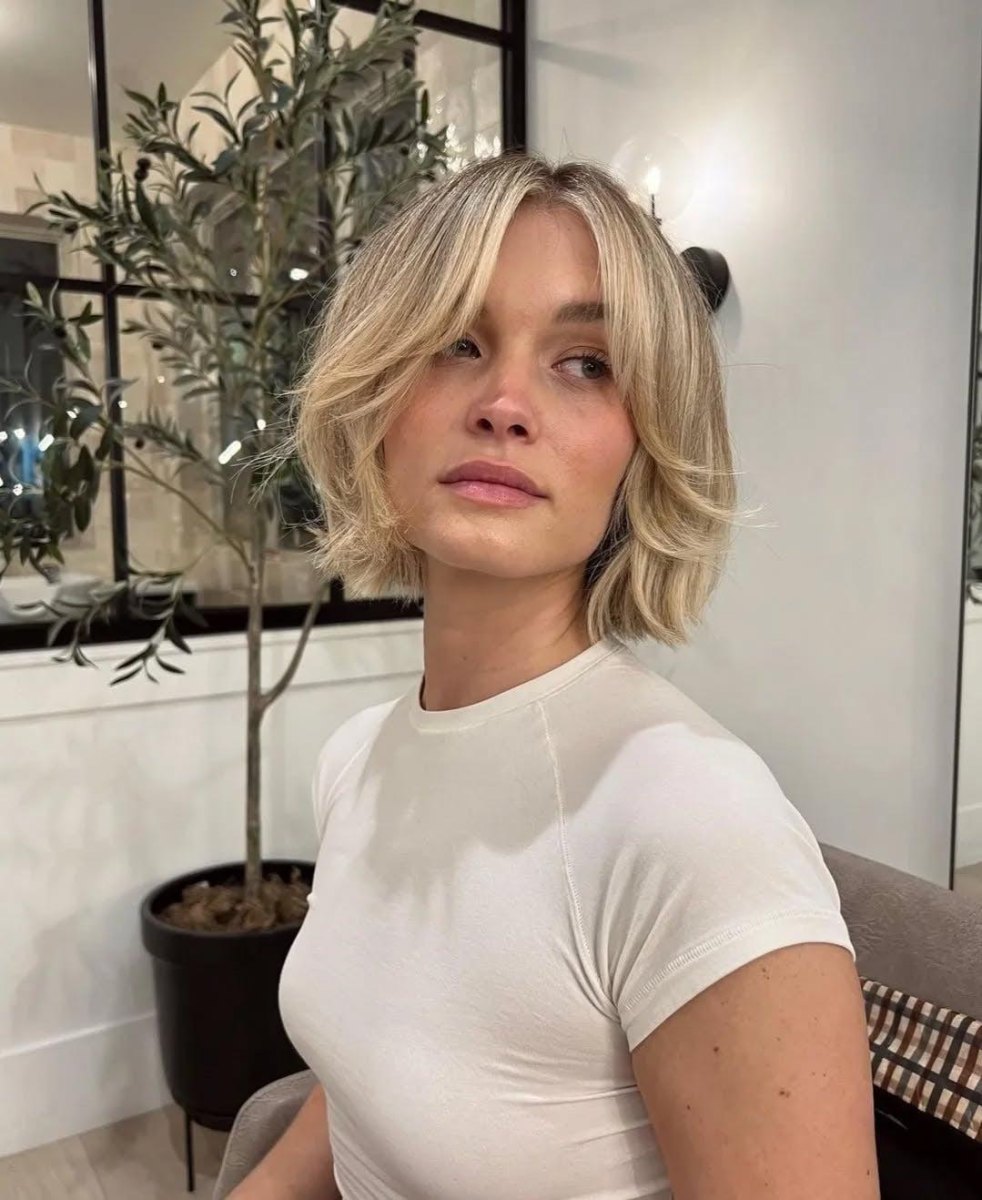
Short hair with curtain bangs creates a stronger silhouette because the front pieces become part of the haircut rather than a separate detail.
I would discuss styling habits before choosing this version. If air drying is the priority, the cut needs to be shaped to work with the natural texture.
Layered Face Framing Curtain Bangs
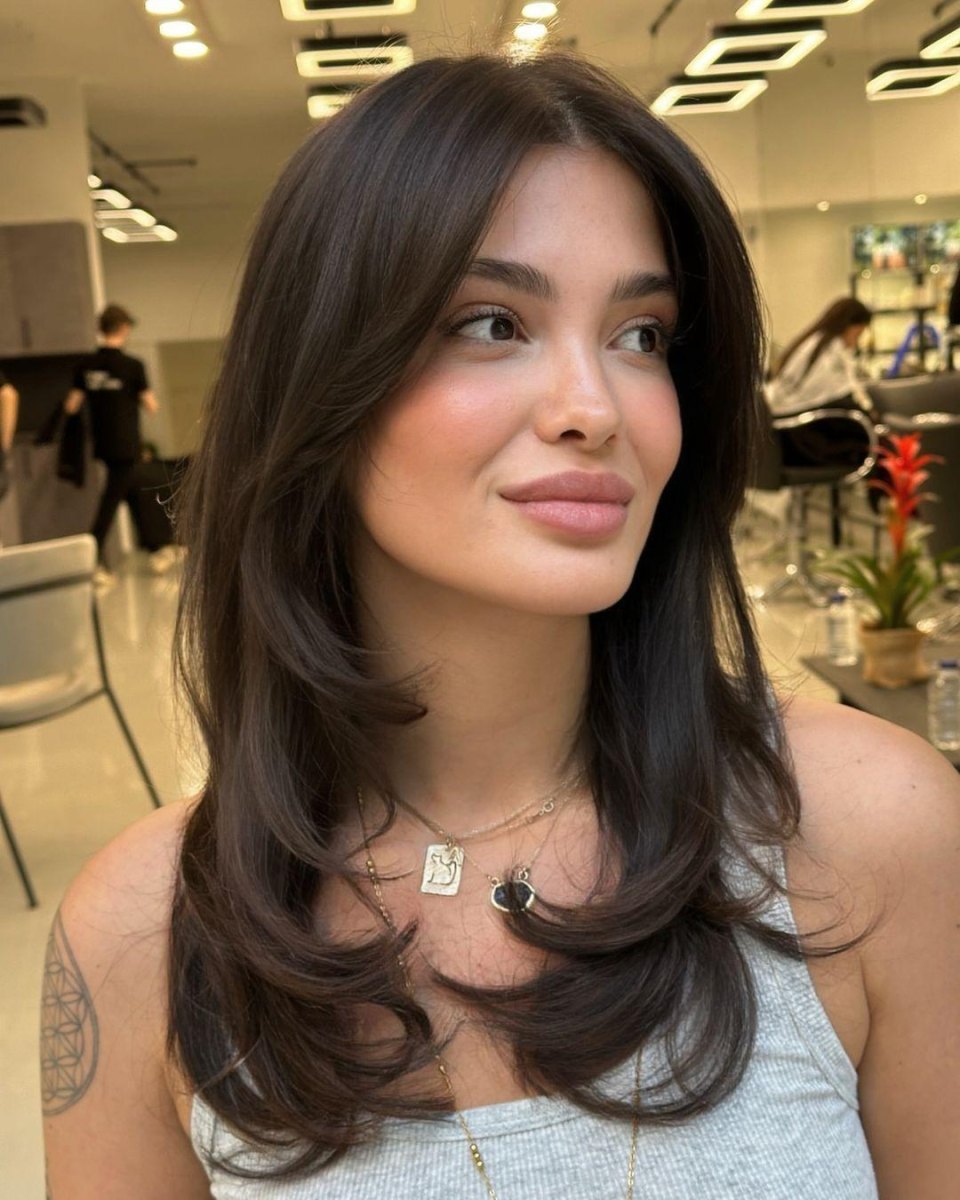
Layered curtain bangs combine the fringe with graduated pieces around the face. This approach can remove visual heaviness while keeping length through the rest of the haircut.
The technique needs careful blending because uneven layers can create gaps instead of a smooth transition.
Wispy Face Framing Curtain Bangs
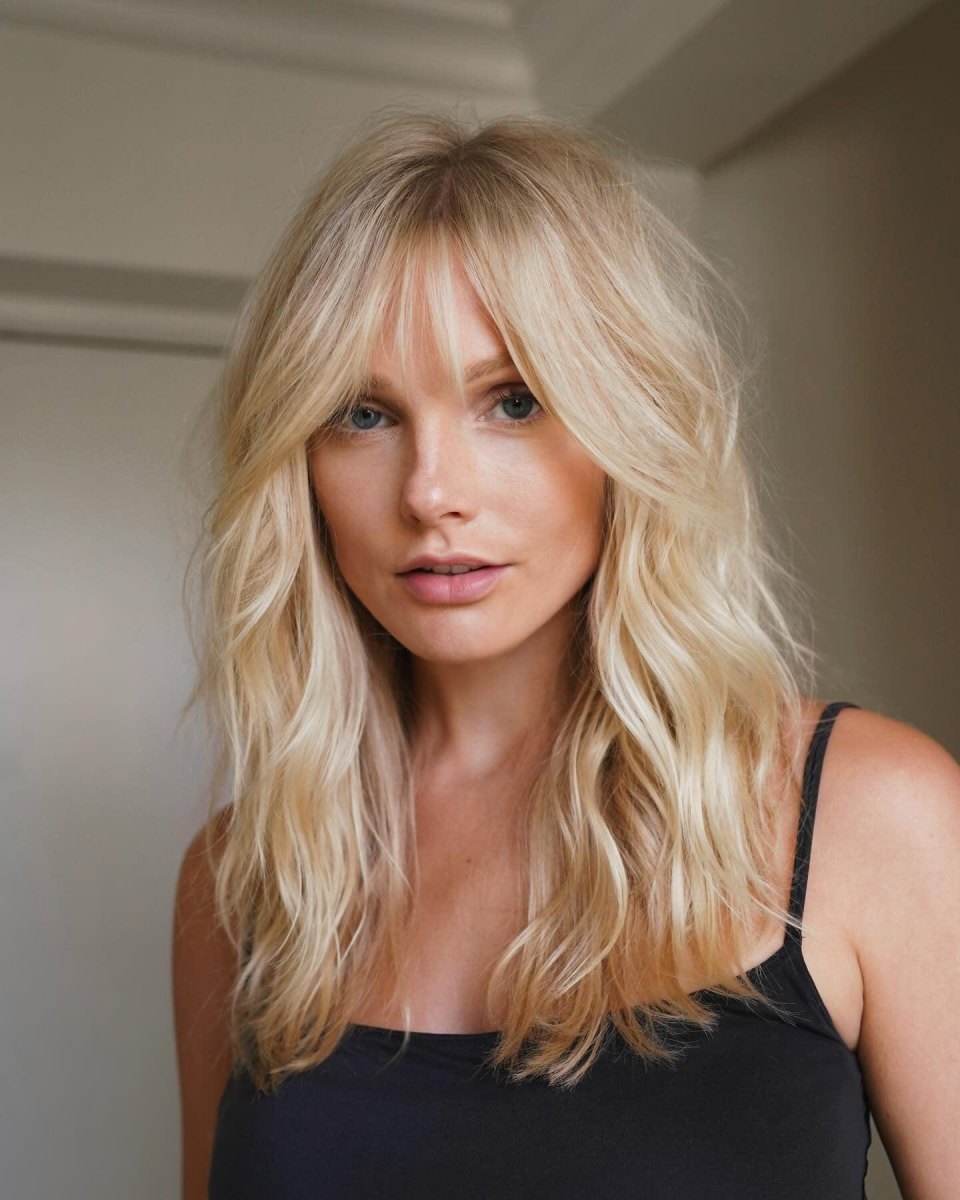
Wispy curtain bangs use less density, making them a good option for people who prefer a softer fringe. Fine hair often benefits from this approach because removing too much weight can make the front look thinner.
Thick Face Framing Curtain Bangs
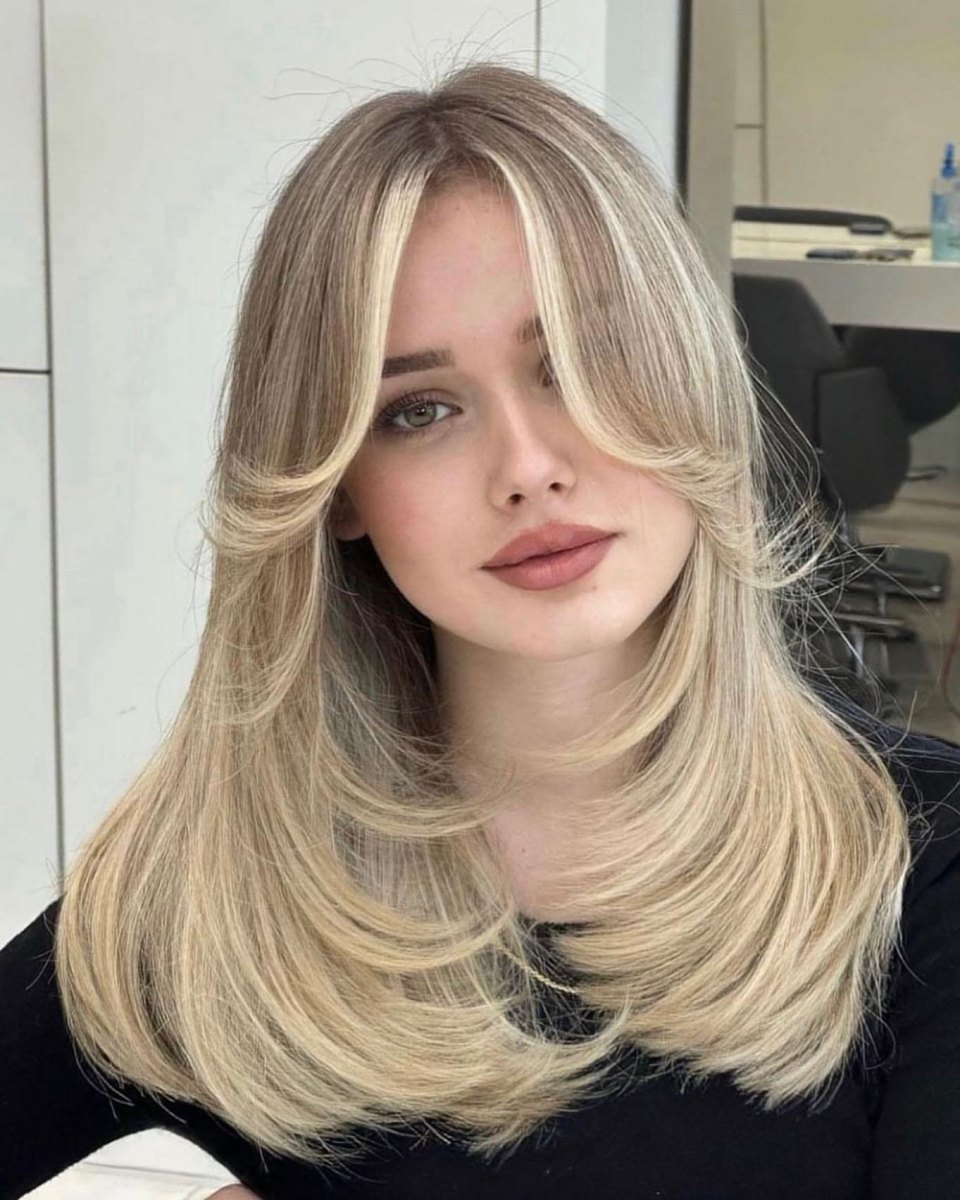
Thick curtain bangs need thoughtful weight distribution. Taking too much hair from the crown can affect volume throughout the haircut, so the sectioning matters.
This style often needs more drying time because the larger section holds more moisture.
Face Framing Curtain Bangs with Wavy Hair
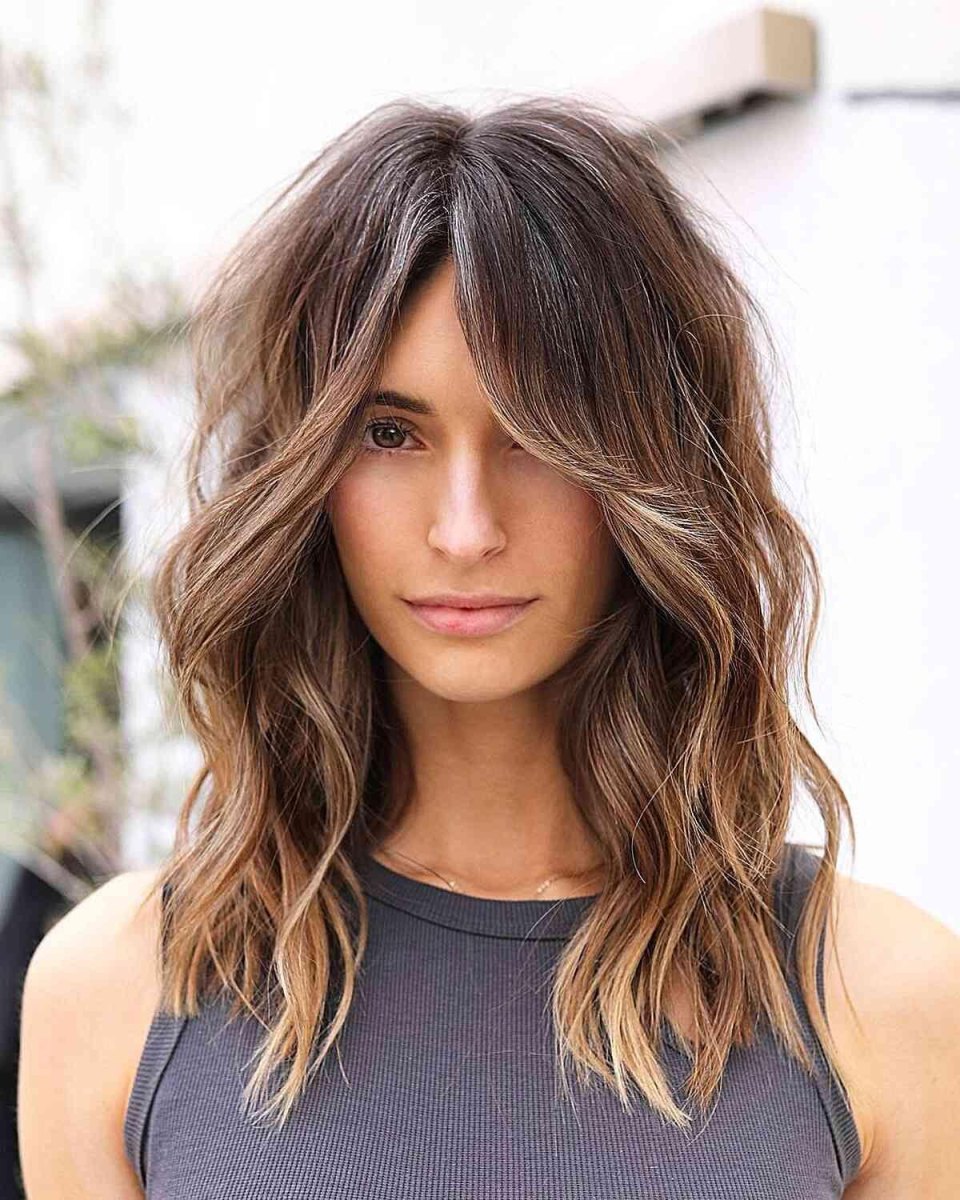
Wavy hair can create beautiful movement with curtain bangs, but the cut should account for shrinkage and natural bend. Cutting wet waves without considering the dry pattern can leave the fringe shorter than expected.
Face Framing Curtain Bangs with Curly Hair
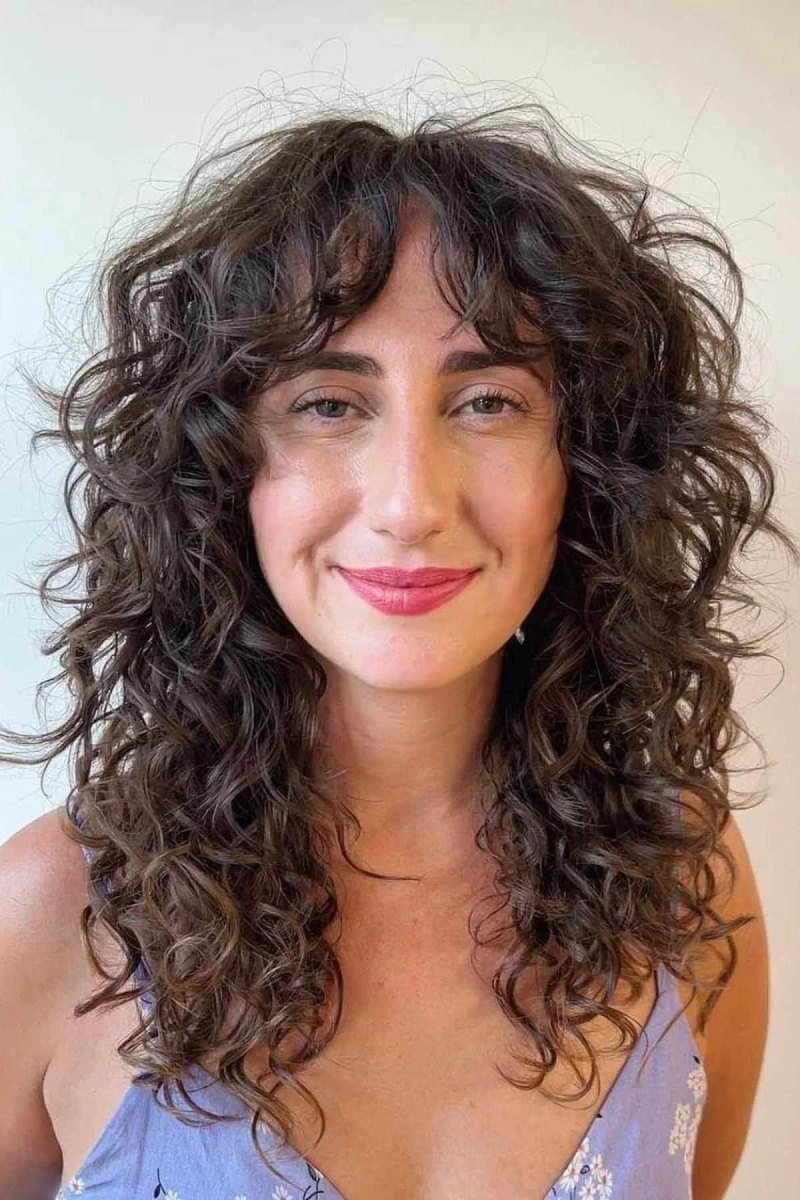
Curly curtain bangs need a texture-aware approach. The curl pattern, density, and shrinkage all influence where the finished pieces sit.
I recommend discussing dry styling expectations before cutting curly fringe because the final shape depends heavily on natural curl behaviour.
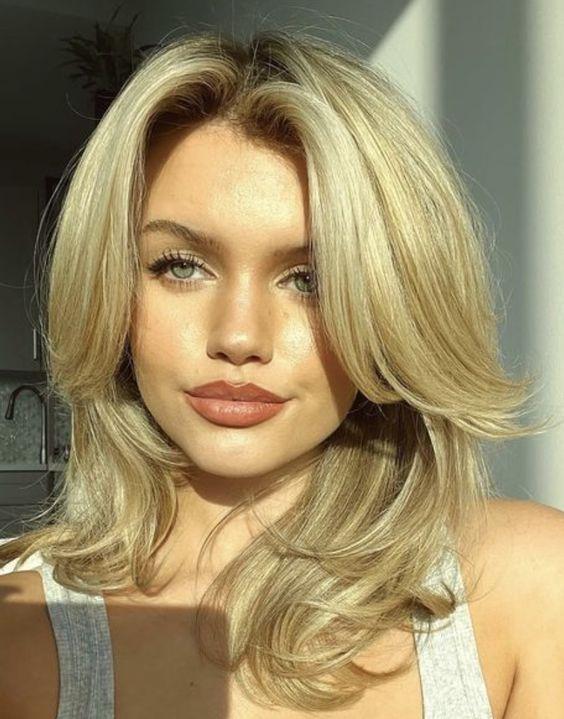
Blonde Face Framing Curtain Bangs
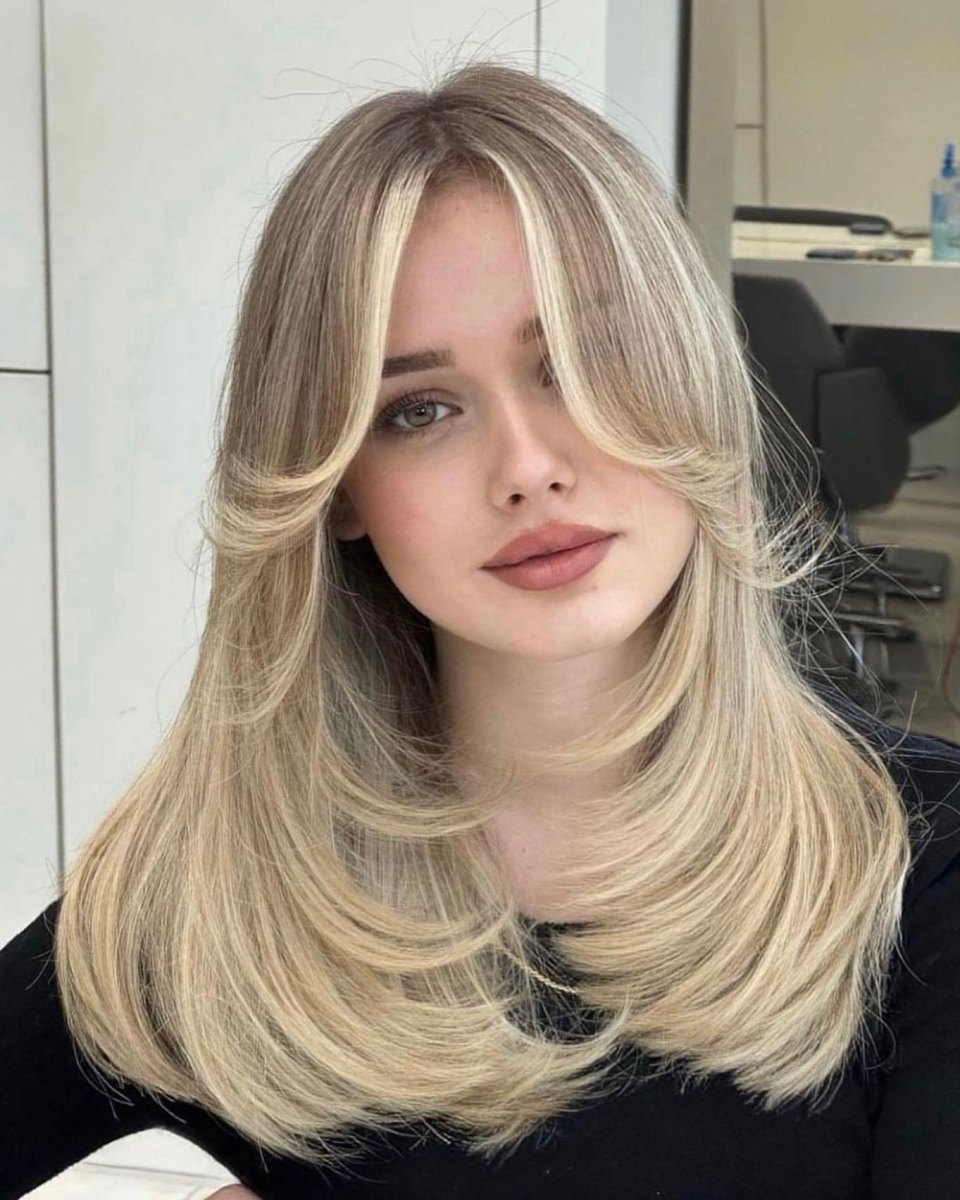
Blonde curtain bangs can make the front layers more noticeable because lighter tones show texture and separation. Colour changes should always include a 48-hour allergy test and a strand test before application.
Bleaching and major lightening should be handled by a salon professional, especially when changing multiple levels of colour.
Brunette Face Framing Curtain Bangs
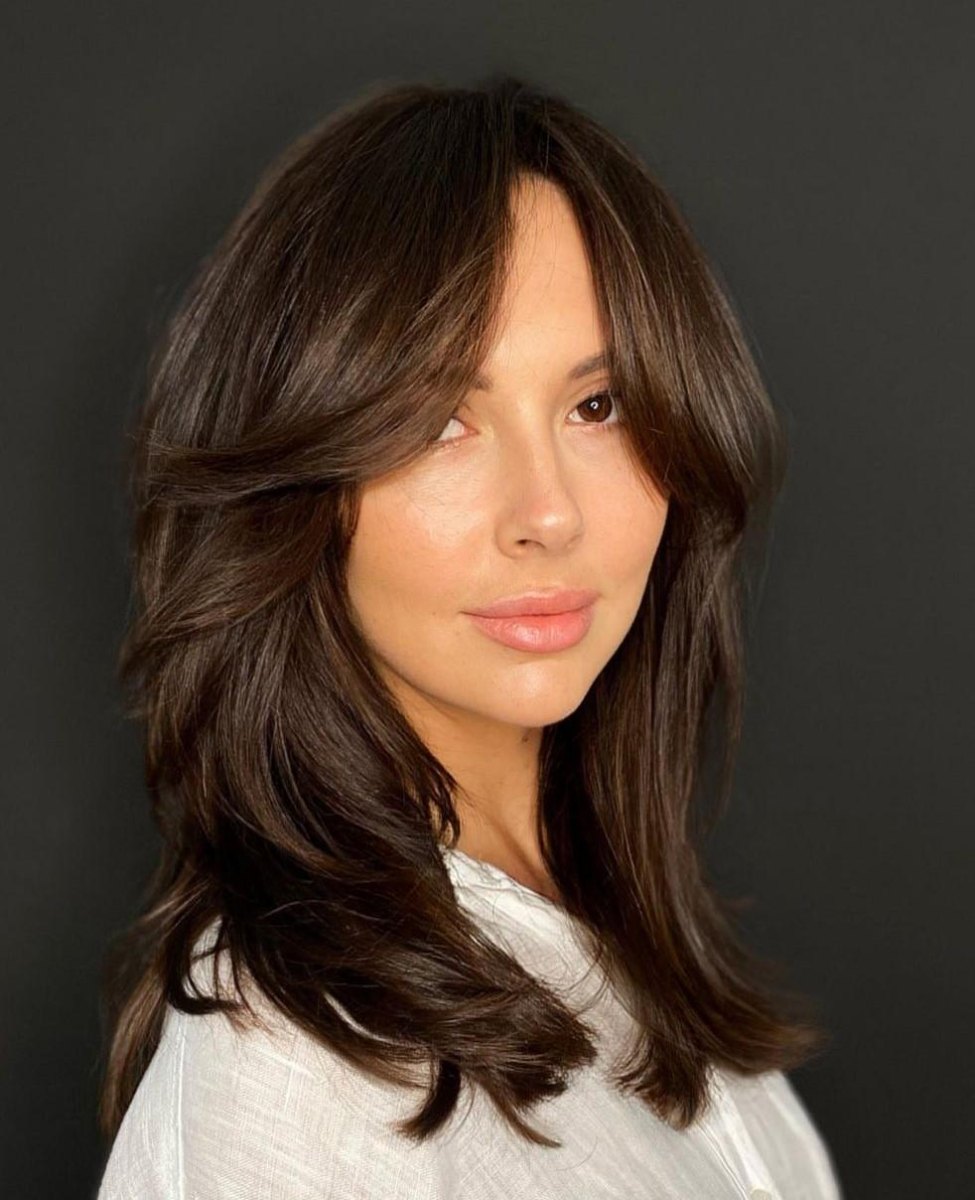
Brunette curtain bangs often emphasize shine and shape because darker tones show the outline of the haircut clearly.
Before any colour service, a strand test and allergy test are still needed, even with products used previously.
Face Framing Curtain Bangs with Highlights
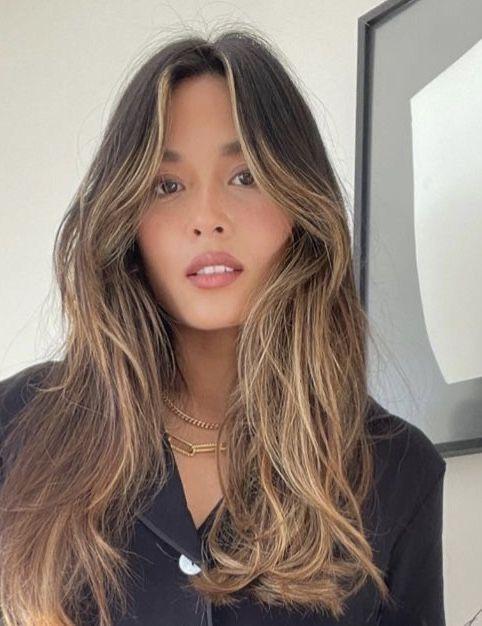
Highlights placed around curtain bangs can emphasize the face-framing effect. Colour placement should be planned with a stylist, particularly if previous colour, henna, or plant dyes are involved.
Colour safety note
Henna and metallic-salt dyes can react with bleach. Always tell a stylist about previous colour history, even if it was years ago.
Face Framing Curtain Bangs with a Middle Part
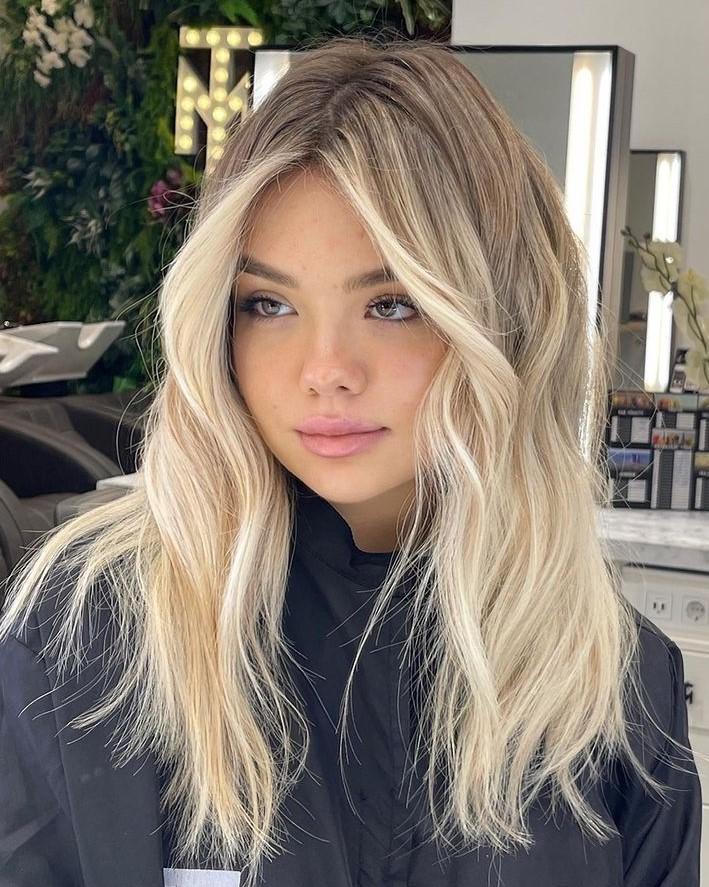
The middle part is the classic way to wear curtain bangs because both sides open evenly. It usually requires training the hair with a brush or dryer, especially after washing.
Face Framing Curtain Bangs with a Side Part
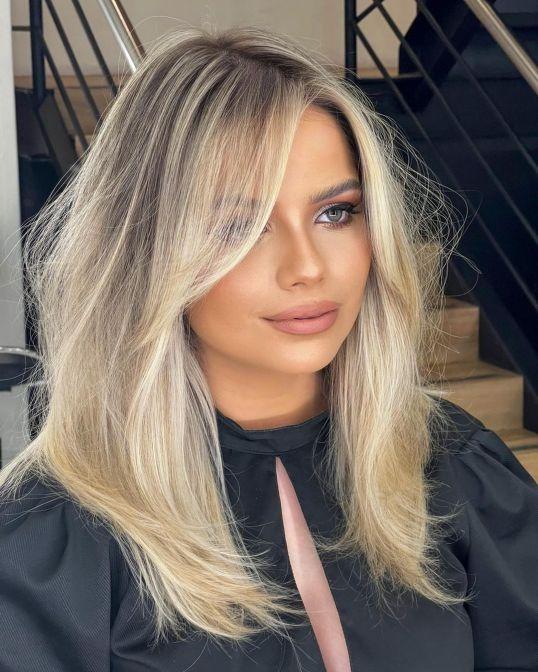
A side part changes the balance of curtain bangs and can create more volume on one side. The cut should follow the way the hair naturally falls rather than forcing a part that does not hold.
Face Framing Curtain Bangs for Round Faces
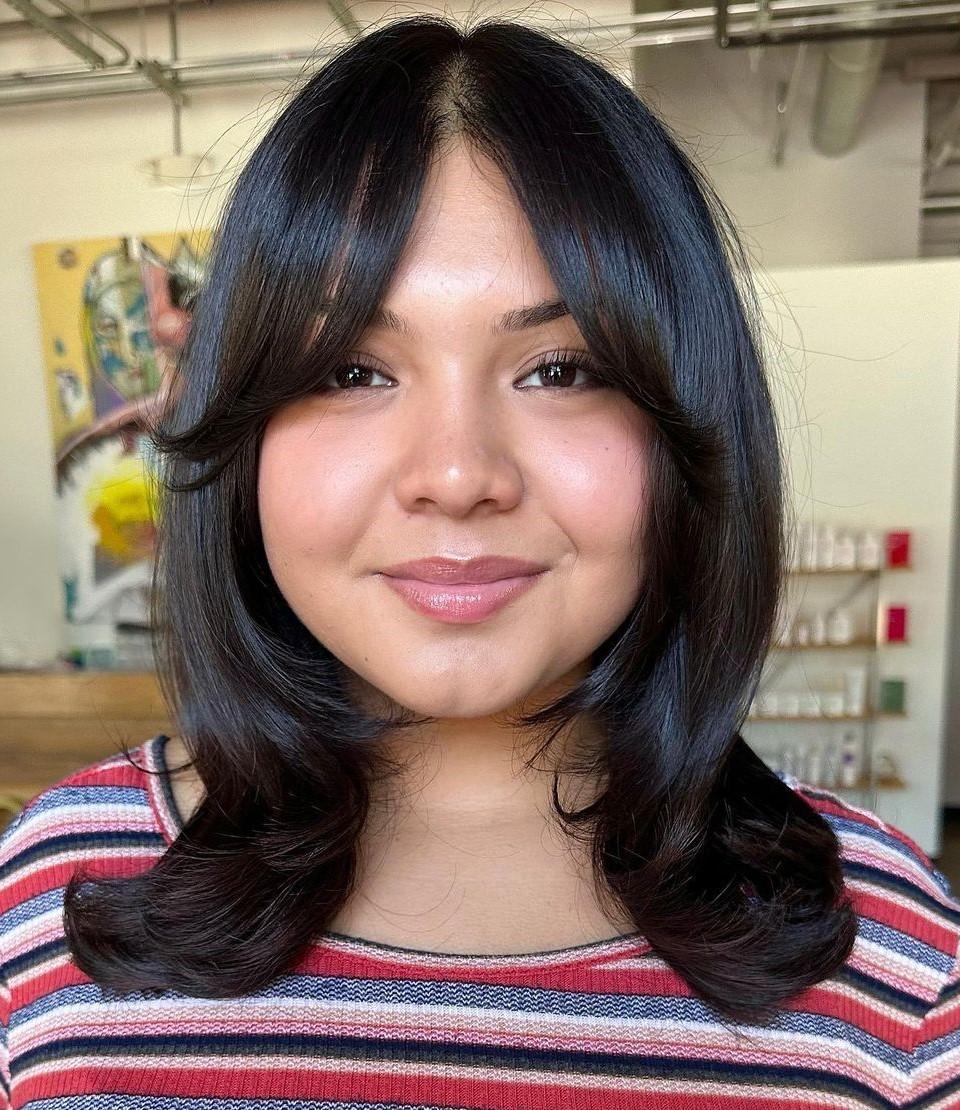
Face shape can be a useful reference, but it is only one part of choosing bangs. Hair density, texture, and daily styling habits usually affect the result more.
Face Framing Curtain Bangs for Oval Faces
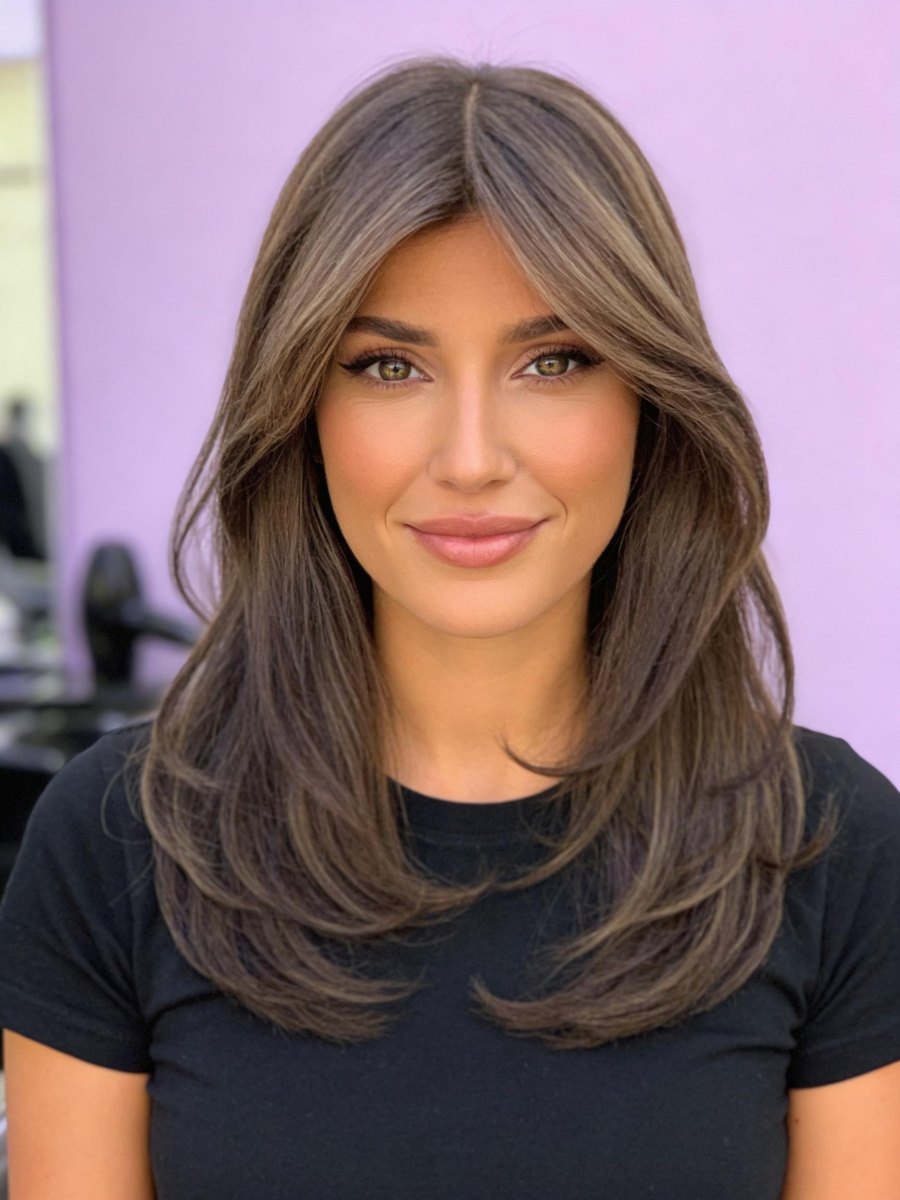
Oval face shapes are often paired with many bang lengths, but the final decision should come from the haircut structure and personal styling routine rather than a strict rule.
Face Framing Curtain Bangs with Blowout Styling
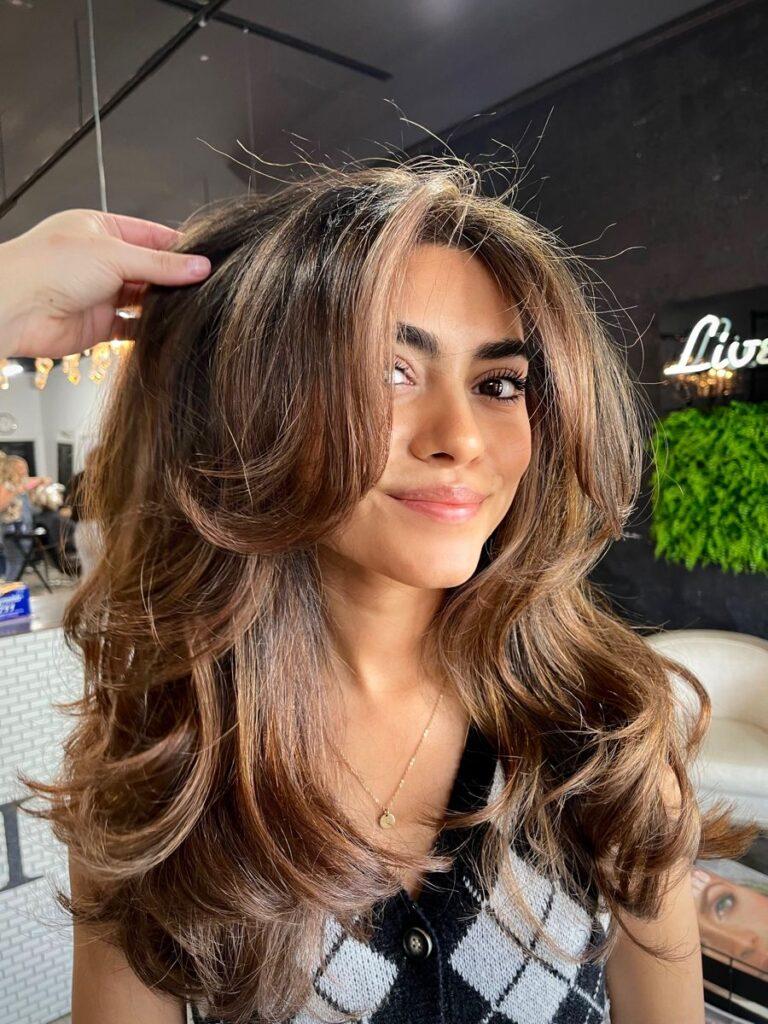
The classic blowout look uses a round brush to create volume and a curved finish. Heat protection is essential because repeated high heat can contribute to dryness and breakage.
A realistic styling window is around 10 to 20 minutes depending on hair density and length.
Face Framing Curtain Bangs Before and After Transformation
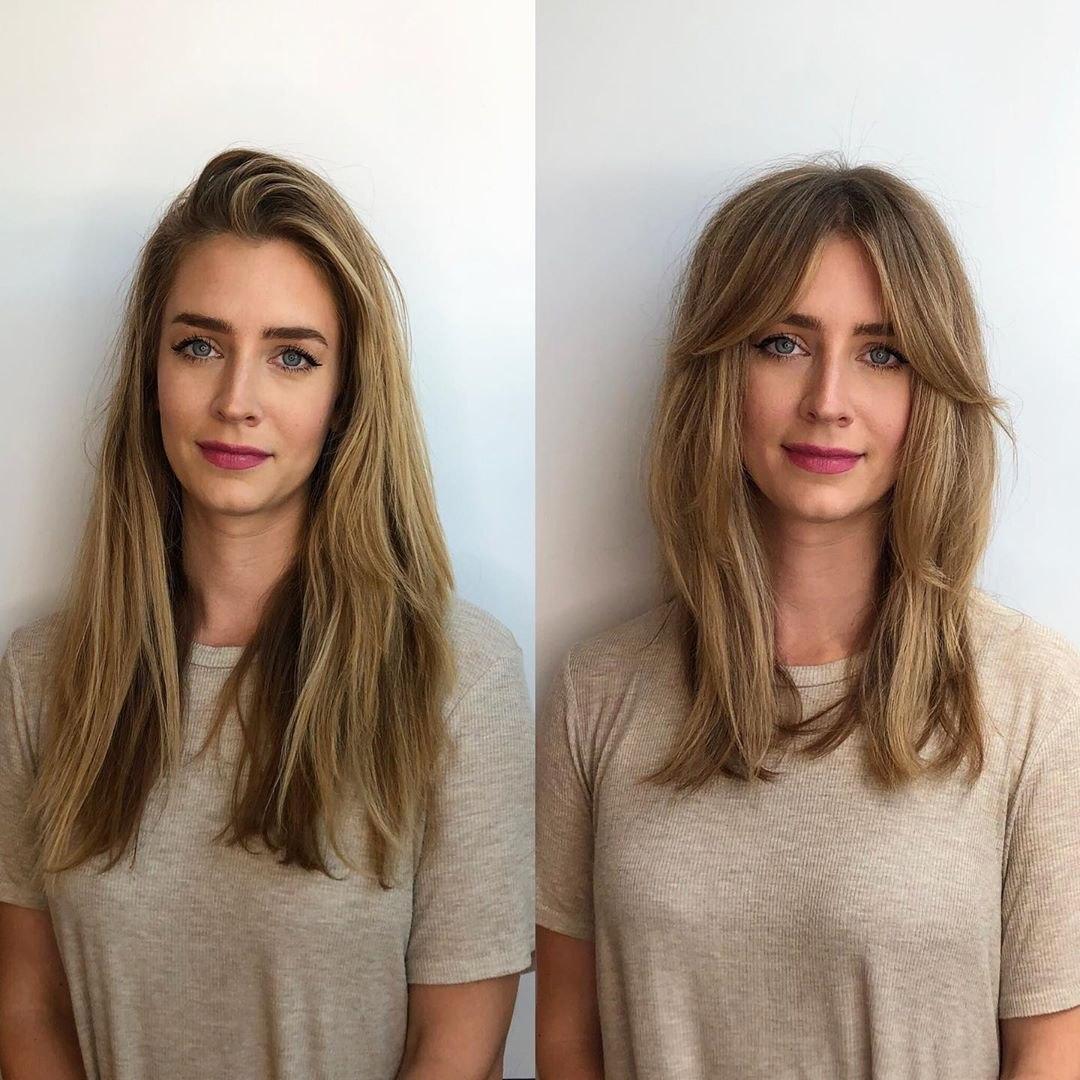
A curtain bang transformation can change the balance of a haircut without removing much overall length. The biggest differences usually come from where the shortest pieces begin and how they connect with the rest of the layers.
Bring reference photos to a consultation, but expect the final cut to be adjusted for your own texture and styling routine.
How often should curtain bangs be trimmed?
Most curtain bangs keep their shape with trims every 6 to 10 weeks, although faster-growing hair may need adjustments sooner.
Can curtain bangs work with natural texture?
Yes, but the cut should follow the natural wave or curl pattern rather than copying a straight-hair reference.
Do curtain bangs require daily styling?
Some versions do, especially shorter or more polished shapes. Longer, blended versions usually need less effort.