
What I noticed across these fine hair styles
- Volume comes from shape, layering, and weight placement rather than length alone.
- Each cut needs a realistic styling routine and maintenance plan.
- Fine strands often benefit from lightweight products and controlled heat.
Fine hair responds best to deliberate cutting. After reviewing these styles, I keep coming back to the same detail: the internal shape matters more than simply going shorter. A well-built cut can create movement without relying on heavy styling.
This guide focuses on what each look actually requires, including upkeep, styling time, and where the cut may need adjustments.
Polished Lob With Feathered Fringe
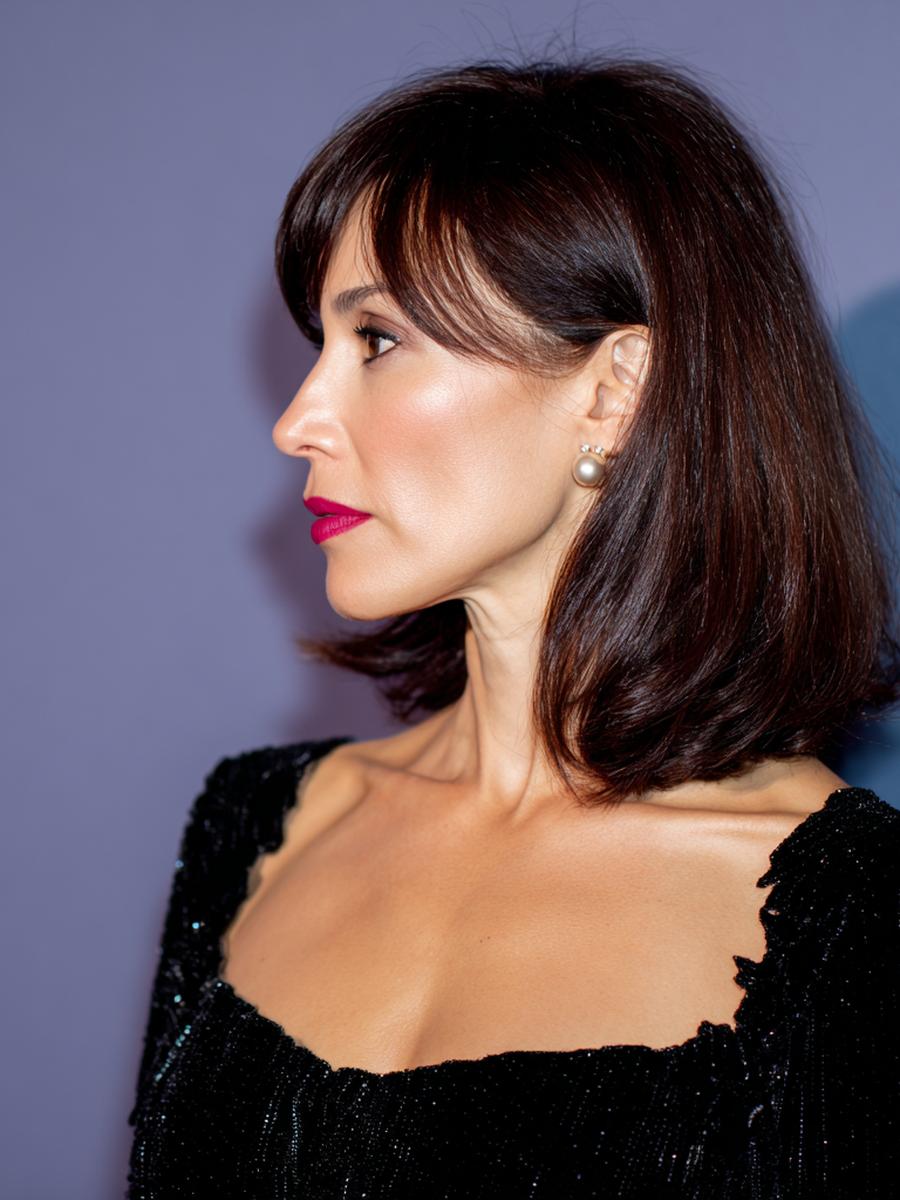
This lob works when the ends stay light and the fringe is not overloaded. I like feathered fringe here because it keeps the front flexible while the longer shape maintains movement.
Expect styling to take around 10 minutes with a round brush. A trim every 8 to 10 weeks helps preserve the outline.
Rounded Bob That Builds Lasting Lift
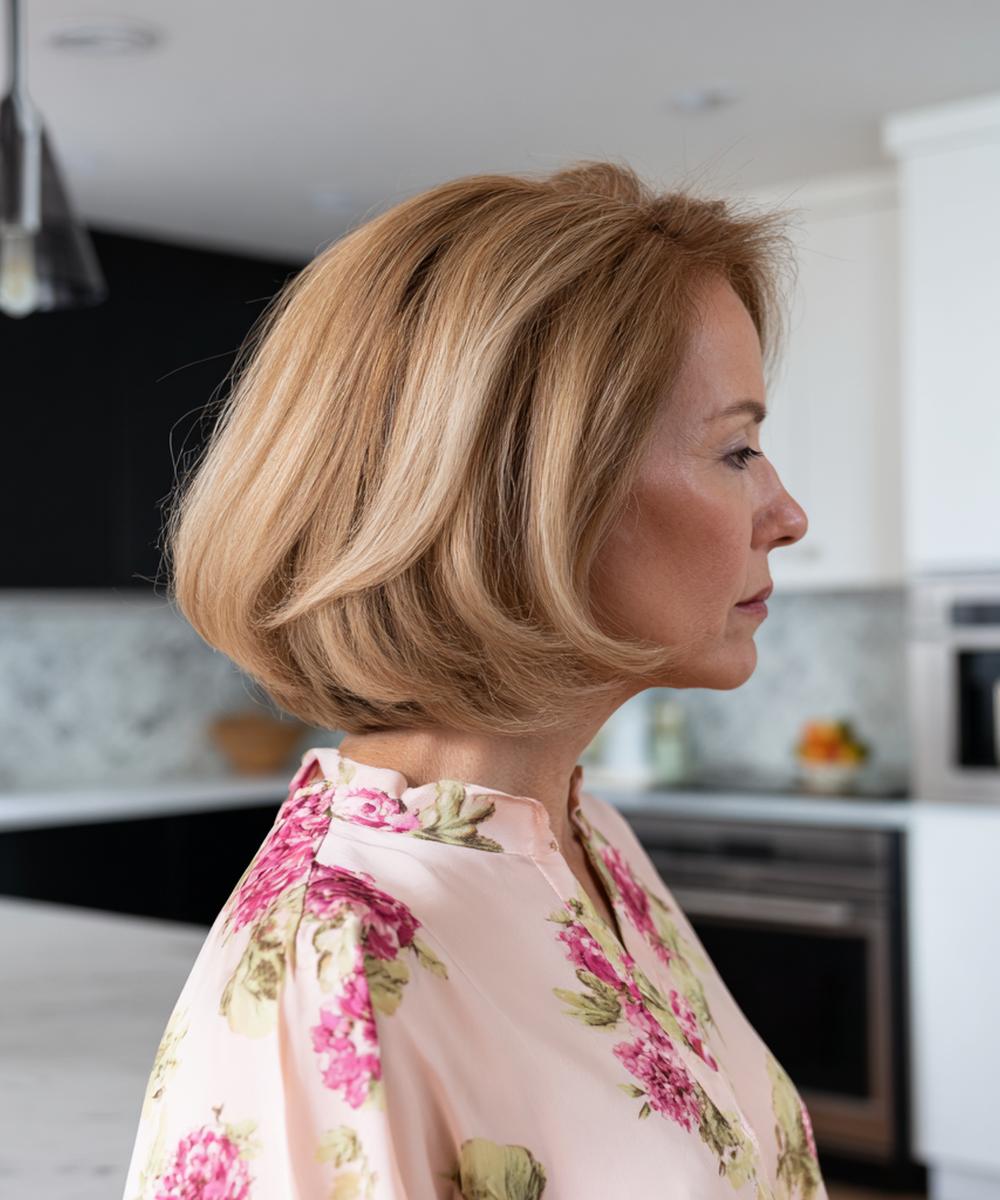
A rounded bob places weight carefully at the sides and crown. The key feature is balanced graduation, which prevents fine strands from hanging flat.
This cut usually needs a blow-dry brush or similar tool for the intended shape. Thick hair may need more thinning control rather than extra layers.
Blunt Silver Bob With Bangs

A blunt bob can make fine hair appear denser because the ends keep a strong line. The solid perimeter is what gives this style its visual weight.
For grey coverage or blending, discuss options with a colour professional. Always complete a 48-hour allergy test and strand test before colour services.
Soft Curly Shag For Fine Strands

Fine curls need careful layering because too much removal can reduce fullness. This style depends on curl-supporting layers rather than aggressive texturising.
I would allow extra styling time on curly hair, especially when defining sections. I have not tested every curl pattern, so density and shrinkage should guide the cut.
Long Layers With Curtain Bangs That Stay
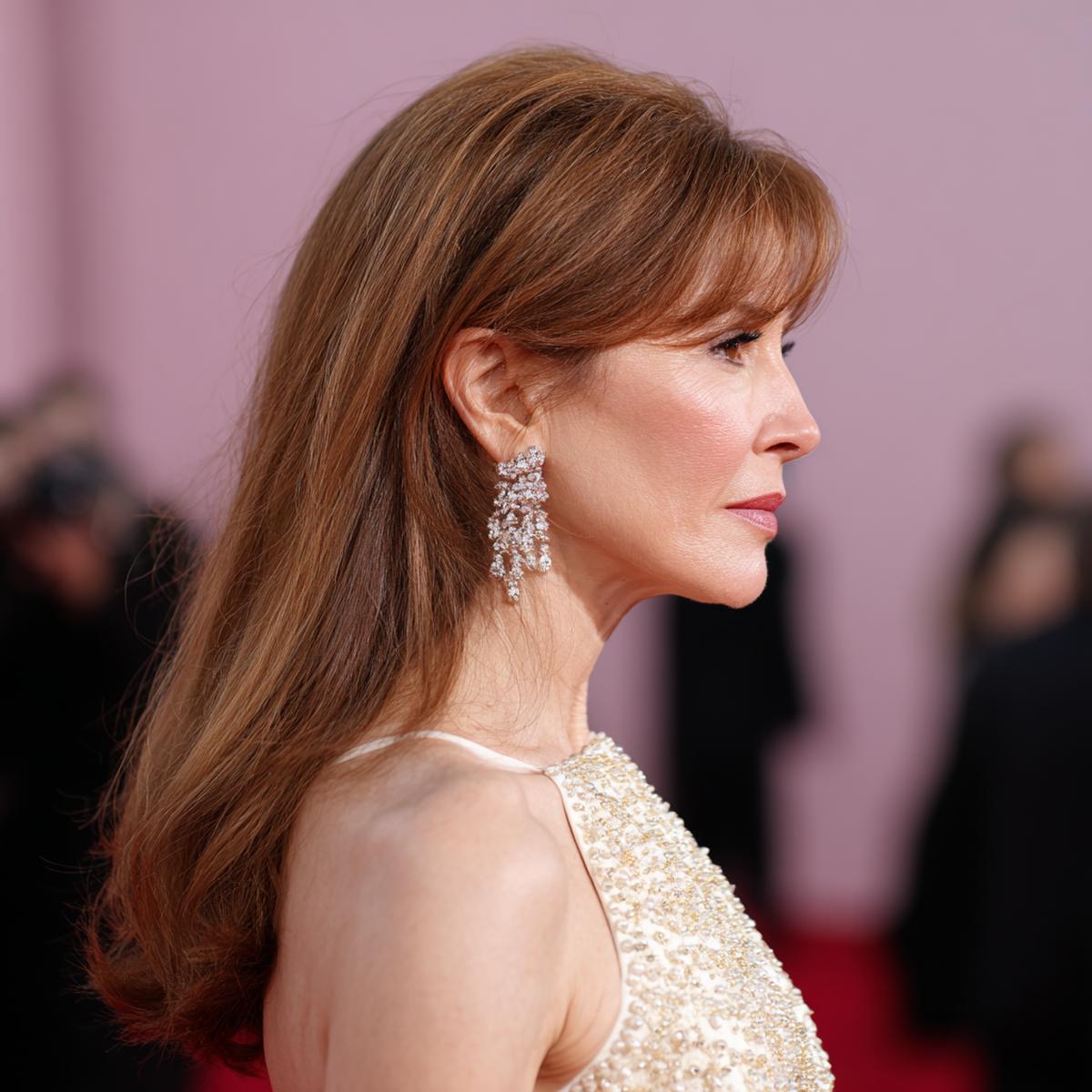
Long fine hair can lose shape when layers are too spread out. The best version keeps strategic layering near the front while protecting overall density.
Curtain bangs usually need styling most days, taking about 5 to 10 minutes depending on texture.
Wavy Bob With Fringe For Easy Hold
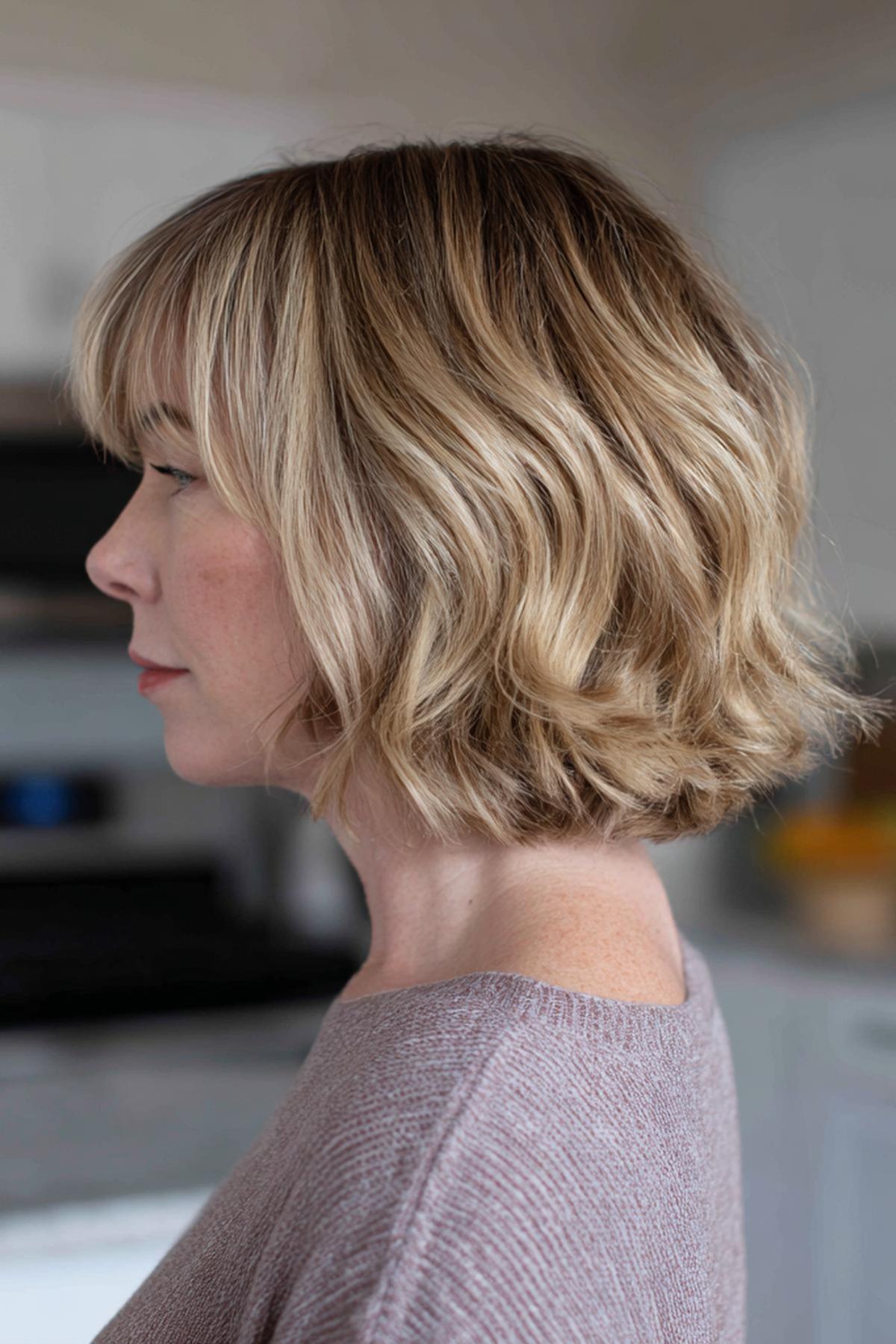
This bob works well when waves are encouraged instead of brushed away. The shorter length helps fine waves hold their bend longer.
Use heat protection before hot tools, and remember that products can support texture but cannot reverse existing damage.
Romantic Half Up For Delicate Curls

A half-up style can add lift without pulling the whole head tightly. The important detail is gentle tension because tight styles can contribute to traction alopecia.
If the style pulls or causes discomfort, loosen it immediately.
Textured Pixie Bob That Defies Flatness
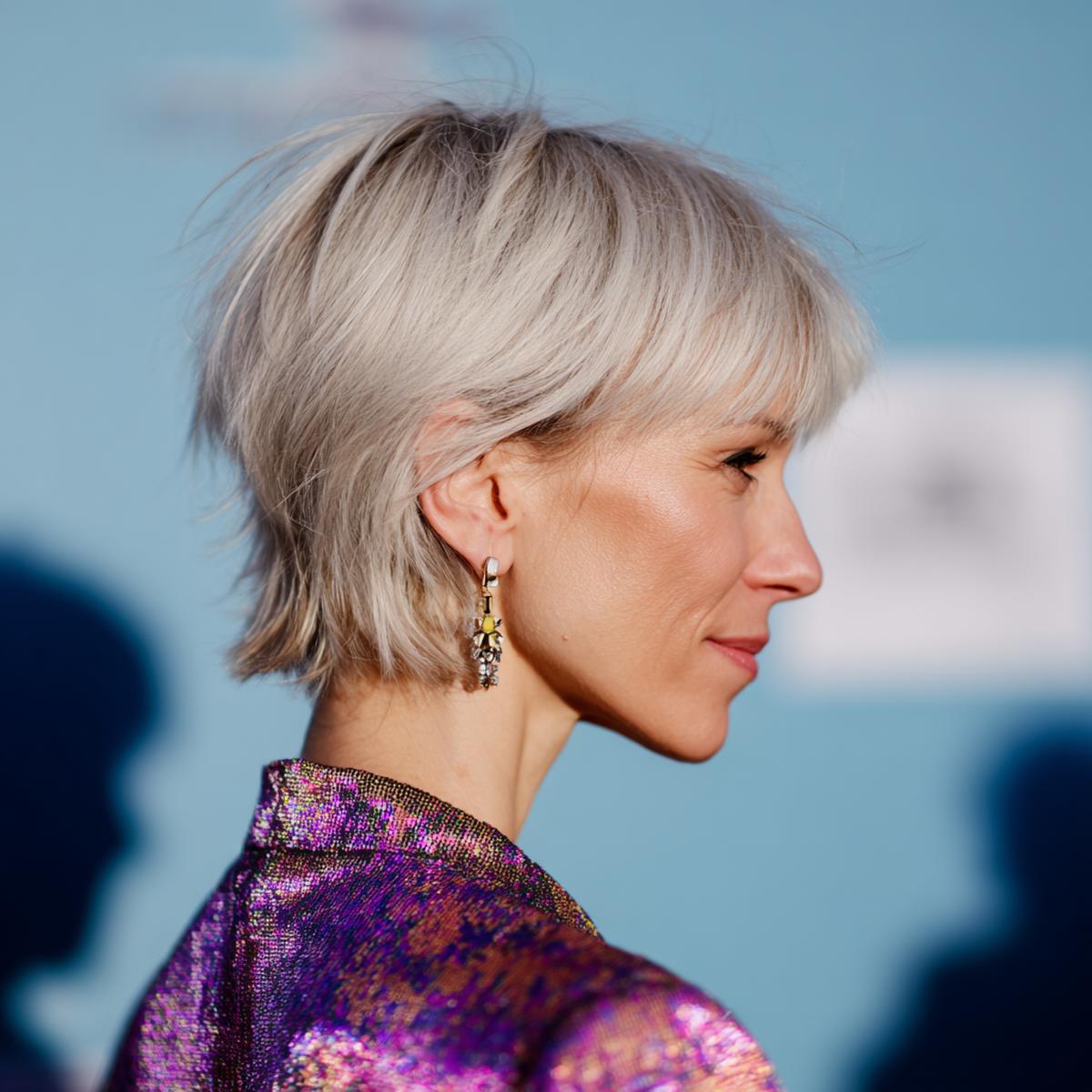
This hybrid cut keeps enough length for movement while adding crown texture. I find controlled texture placement more useful than removing lots of hair.
Maintenance is usually around every 5 to 8 weeks to keep the silhouette.
S-Wave Bob For Fine Hair
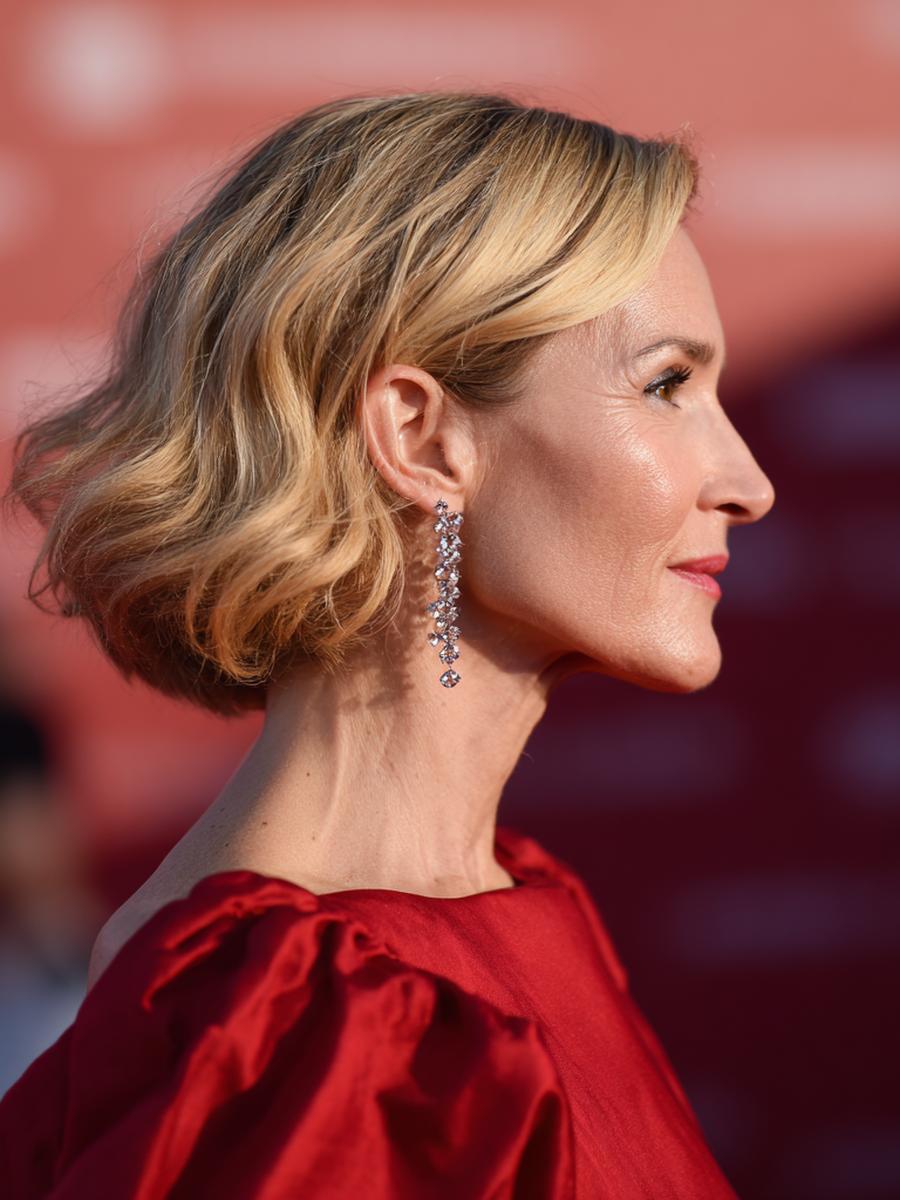
The S-wave bob relies on shape and styling rhythm. The curved movement helps fine strands appear more dynamic.
A first styling attempt may take 15 minutes while learning the wave pattern.
Face-Framing Streaks With Breezy Layers
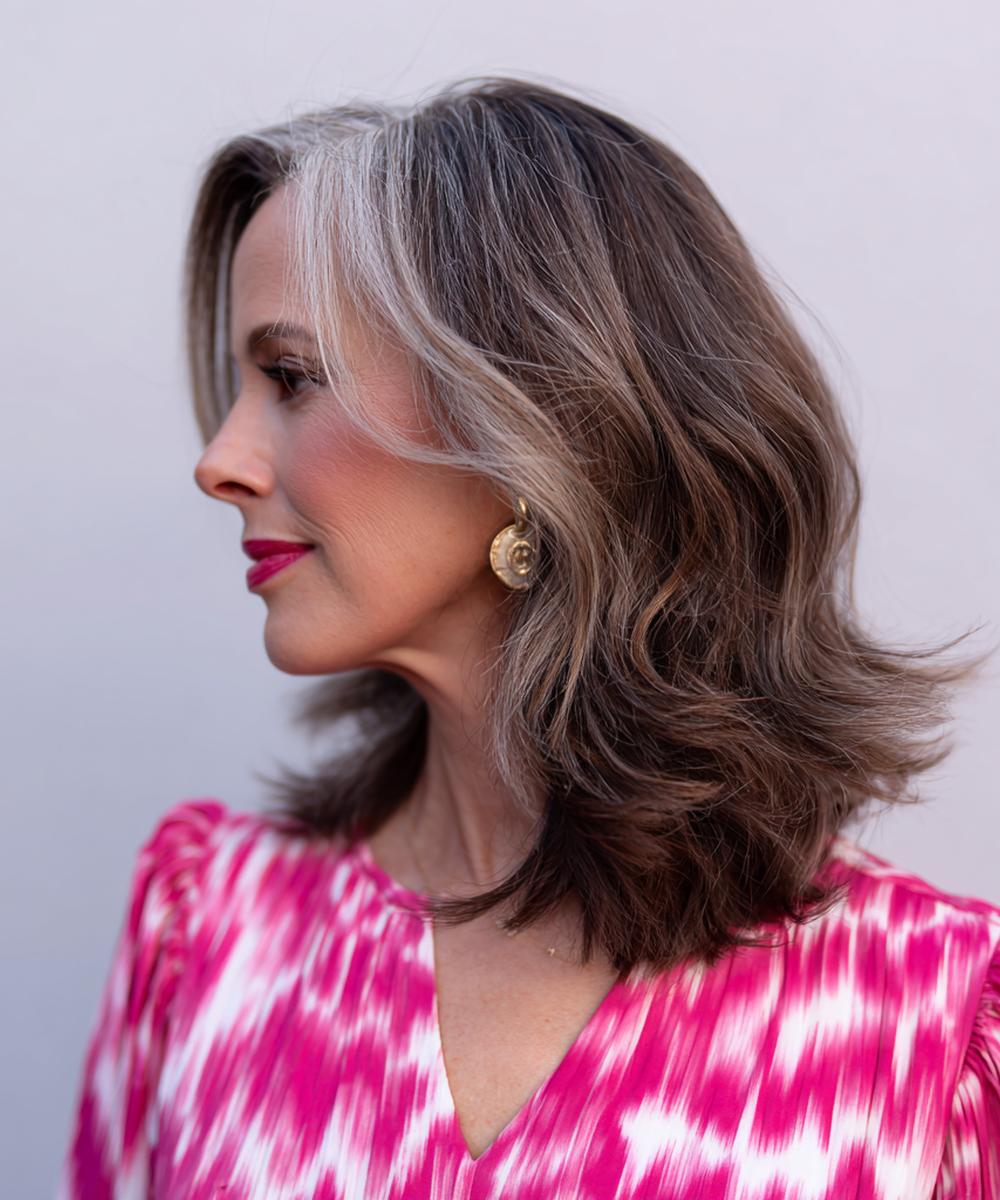
Colour placement can change how layers are noticed, but it should be planned carefully. I recommend discussing strand condition before any lightening.
Bleaching and multi-level lightening should be handled in a salon, with allergy and strand tests completed beforehand.
Soft Layered Bob For Lasting Lift
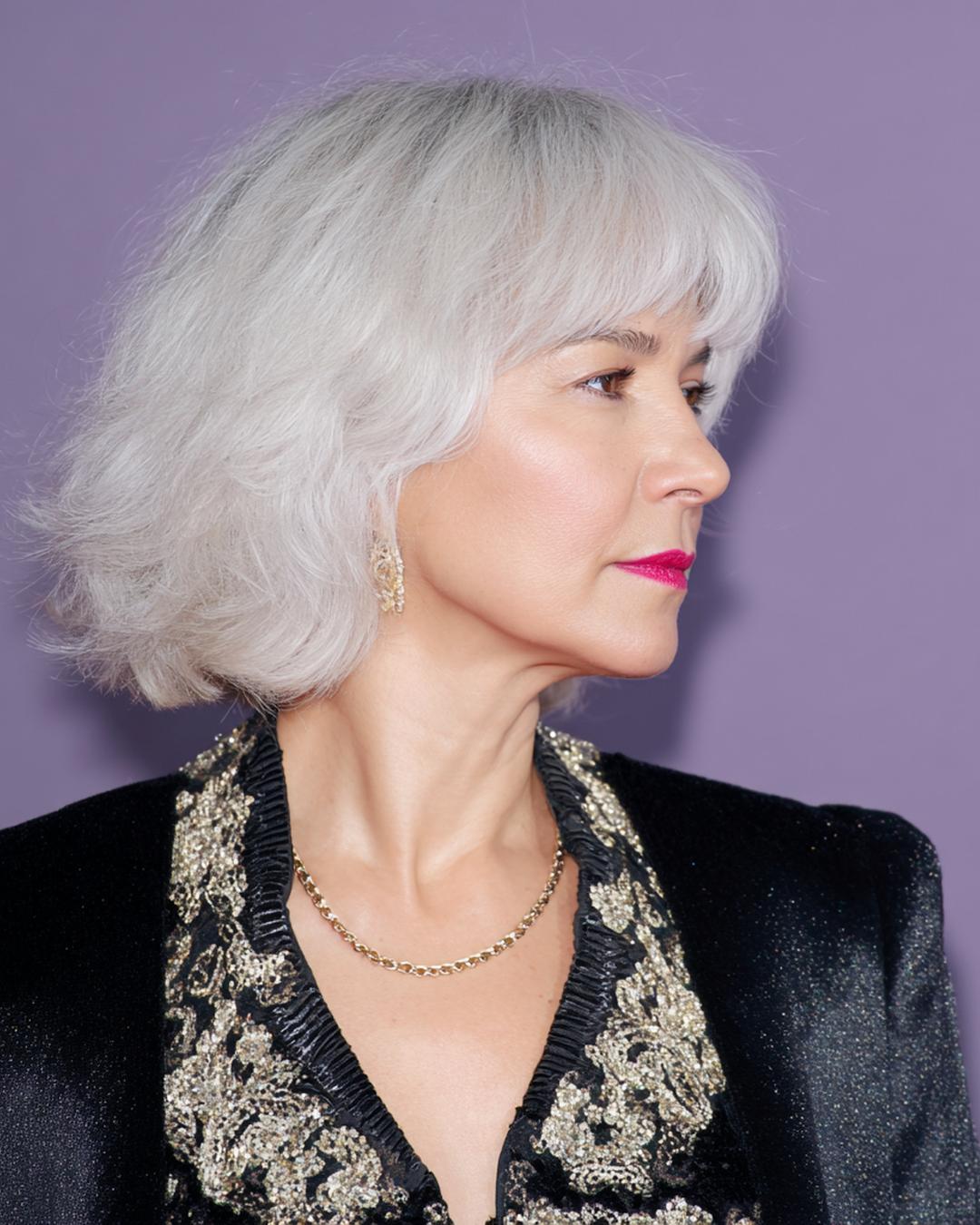
This bob keeps enough structure for daily wear while adding softness. The layer balance determines whether fine hair lifts or collapses.
A lightweight styling product is usually more suitable than heavy creams.
Feathered Medium Cut With Curtain Fringe

A medium cut gives fine hair movement without committing to a short shape. The feathered ends soften the outline while keeping flexibility.
Regular trims every 8 to 12 weeks help the fringe stay balanced.
Textured Short Bob For Easy Volume

This cut is practical for fine hair because the shorter shape reduces weight. The textured perimeter prevents a heavy edge.
It usually takes less than 10 minutes to style once the shape is established.
Cropped Pixie With Crown Height

A cropped pixie depends on precise cutting around the crown. The height placement should match the hair's natural growth pattern.
Expect frequent trims, often every 4 to 6 weeks, to maintain the shape.
Long Face Framing Layers For Movement
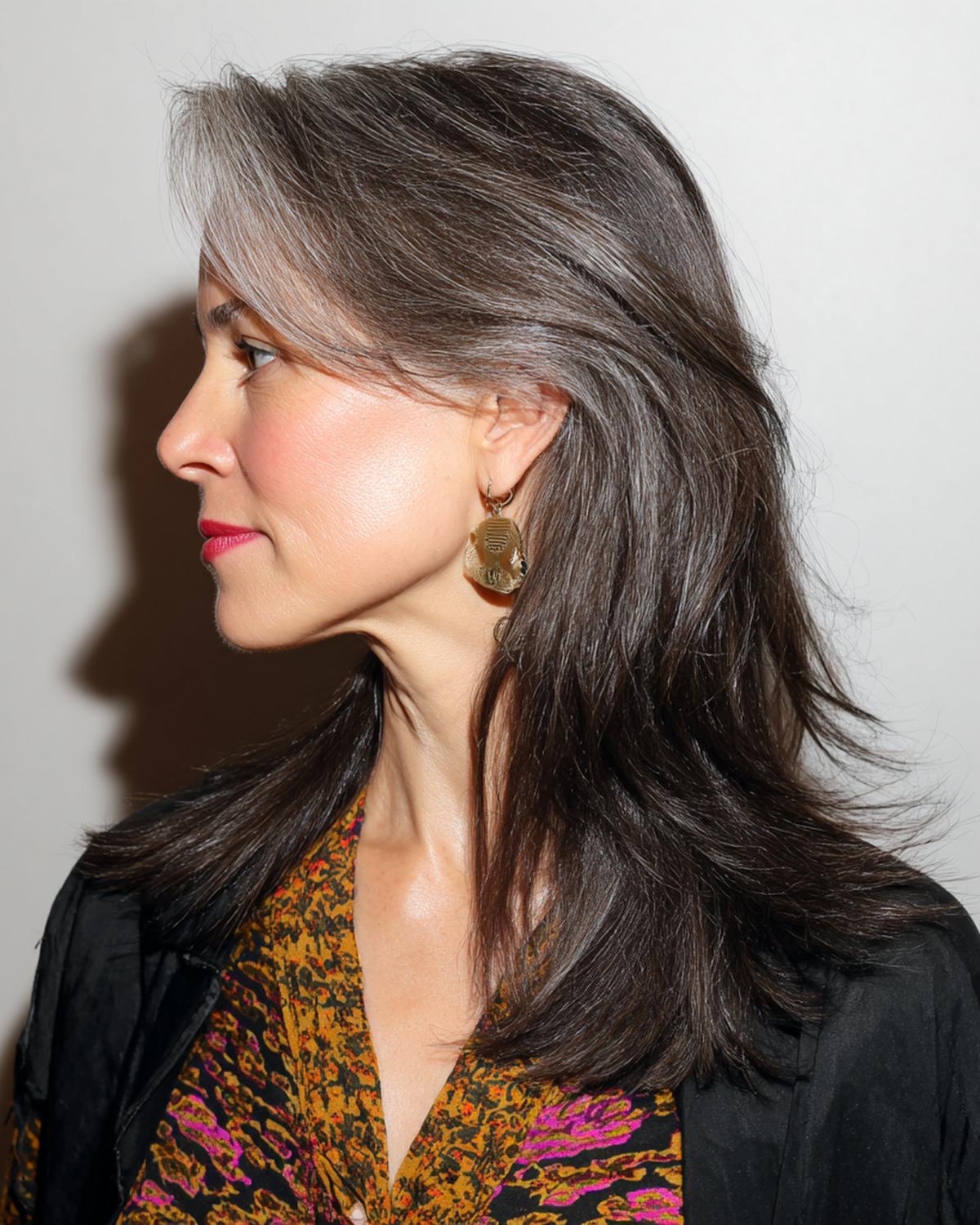
Long layers can work on fine hair when the ends are protected from excessive thinning. The front framing pieces create visible movement.
Heat protection is essential when using tools regularly.
Precision Platinum Bob With Airy Bangs

A platinum bob requires a strong cutting foundation and professional lightening. The colour process can involve multiple appointments depending on starting shade.
Bleach services should stay in the salon, and any scalp irritation requires stopping the process and seeking medical advice.
Side Part Bob For Built In Volume

A side part can instantly change how fine hair sits. The part placement creates a different balance without changing the haircut.
This is a low-commitment adjustment before making a bigger cut change.
Rounded Layered Bob With Bounce
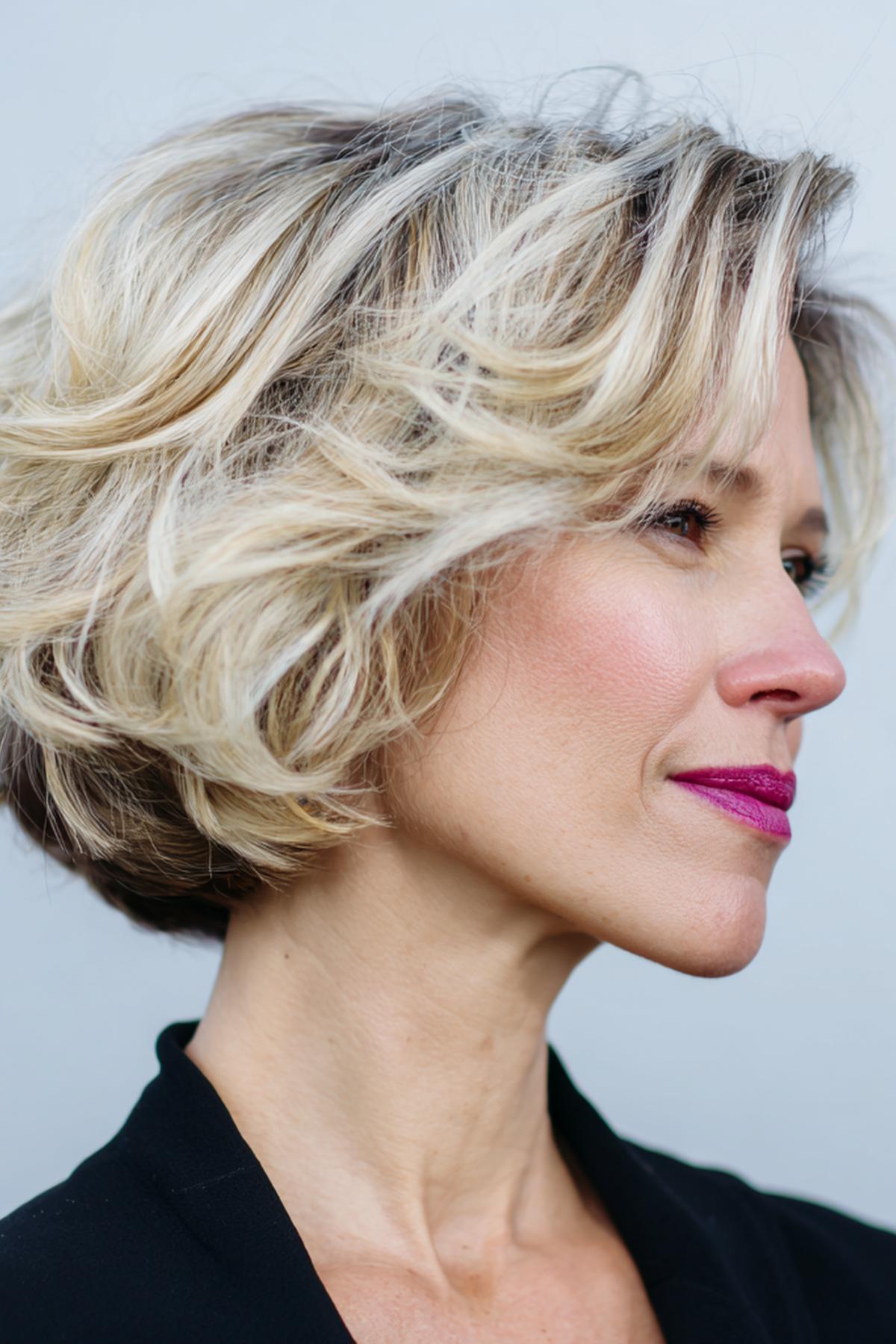
This style combines layering with a curved outline. The rounded structure helps distribute weight through fine strands.
Styling time is usually around 10 to 15 minutes with the right tool.
Modern Pixie With Side Fringe

A side fringe gives a pixie more movement without adding bulk. The fringe direction should follow natural growth for easier styling.
Short cuts need more frequent shaping appointments than longer styles.
Choppy Bob That Stays Lifted

The choppy bob works when texture is controlled, not random. The piecey finish creates separation while keeping the haircut wearable.
Feathered Bob For Fine Hair

This bob works because the ends are softened instead of left as one heavy line. The feathered finish gives fine strands more visible texture without requiring daily styling.
A round brush and heat protection are usually enough for a first attempt, taking around 15 minutes. The shape often needs trimming every 6 to 8 weeks to keep the lift.
Wavy Bob With Wispy Fringe That Stays
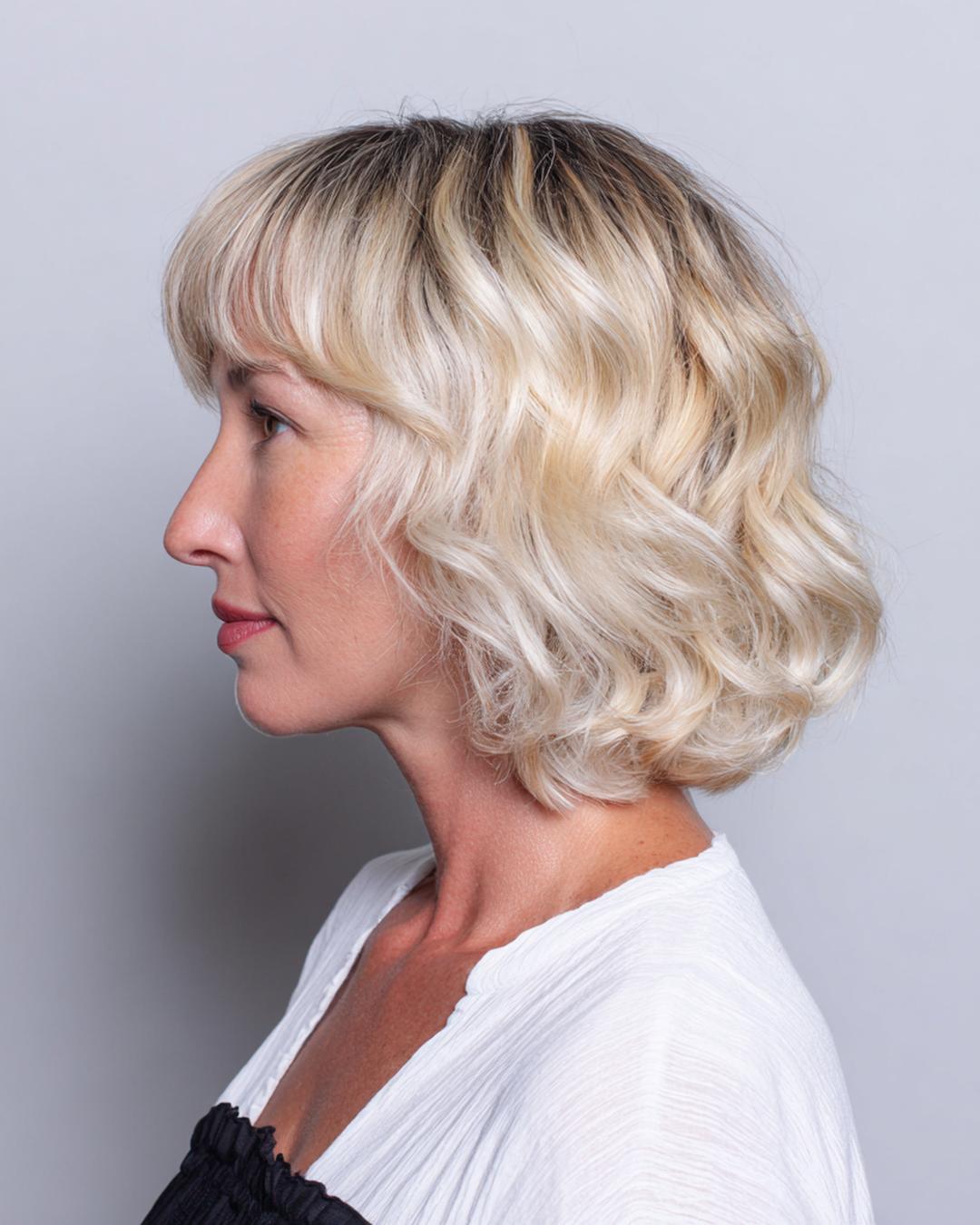
A wispy fringe can work on fine hair when it stays light and separated. The key is controlled weight removal so the front does not collapse forward.
Loose waves usually last longer when hair is not freshly slippery. I avoid heavy creams on this texture because they can reduce the soft wave pattern.
Textured Lob For Lightweight Fullness
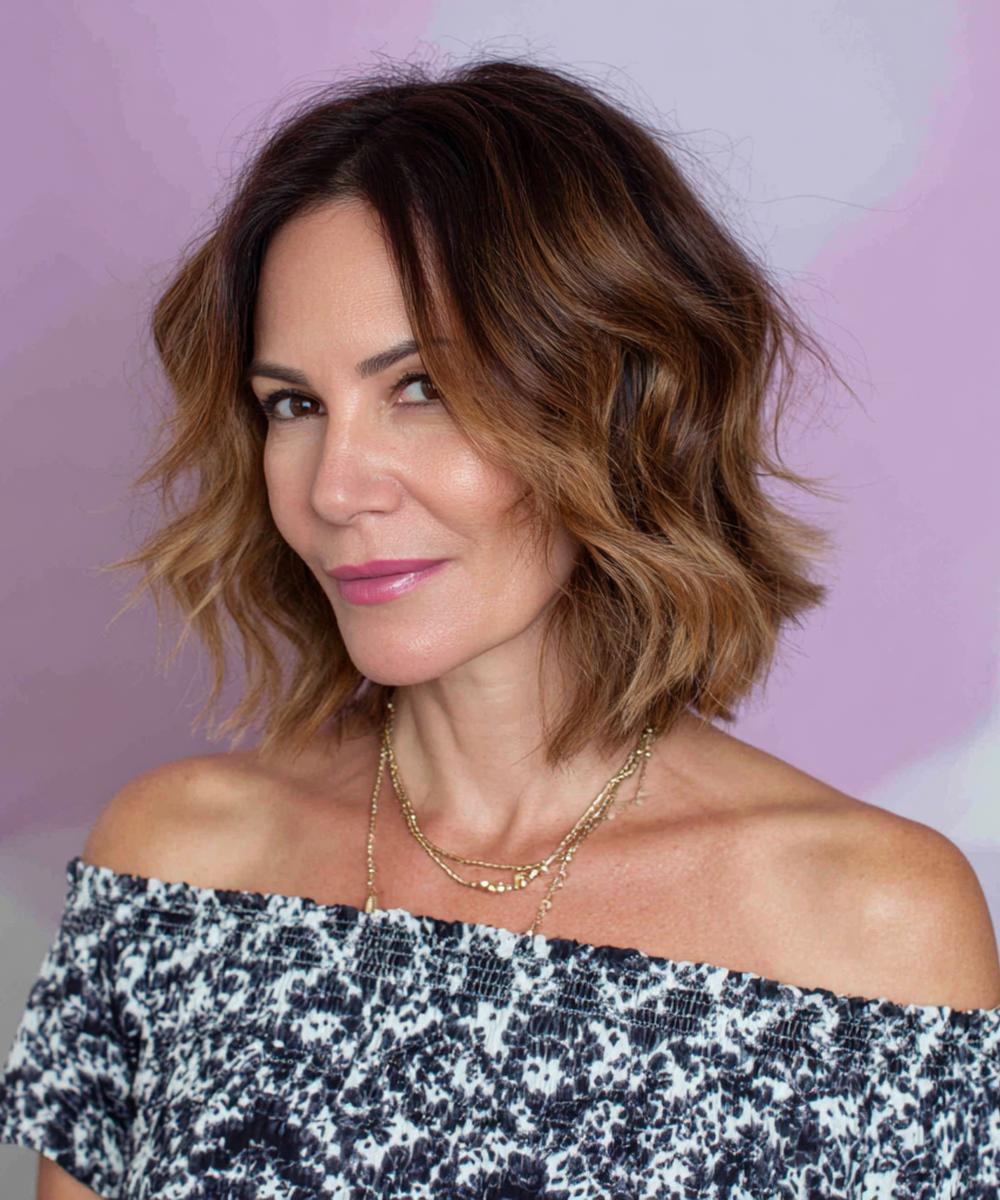
The lob gives fine hair more styling options than a shorter cut. Its mid-length structure leaves enough hair for waves while avoiding excess weight.
Maintenance is usually needed every 8 to 12 weeks. A texture spray can help, but too much product often makes fine strands look separated rather than full.
Volumized Salt And Pepper Waves
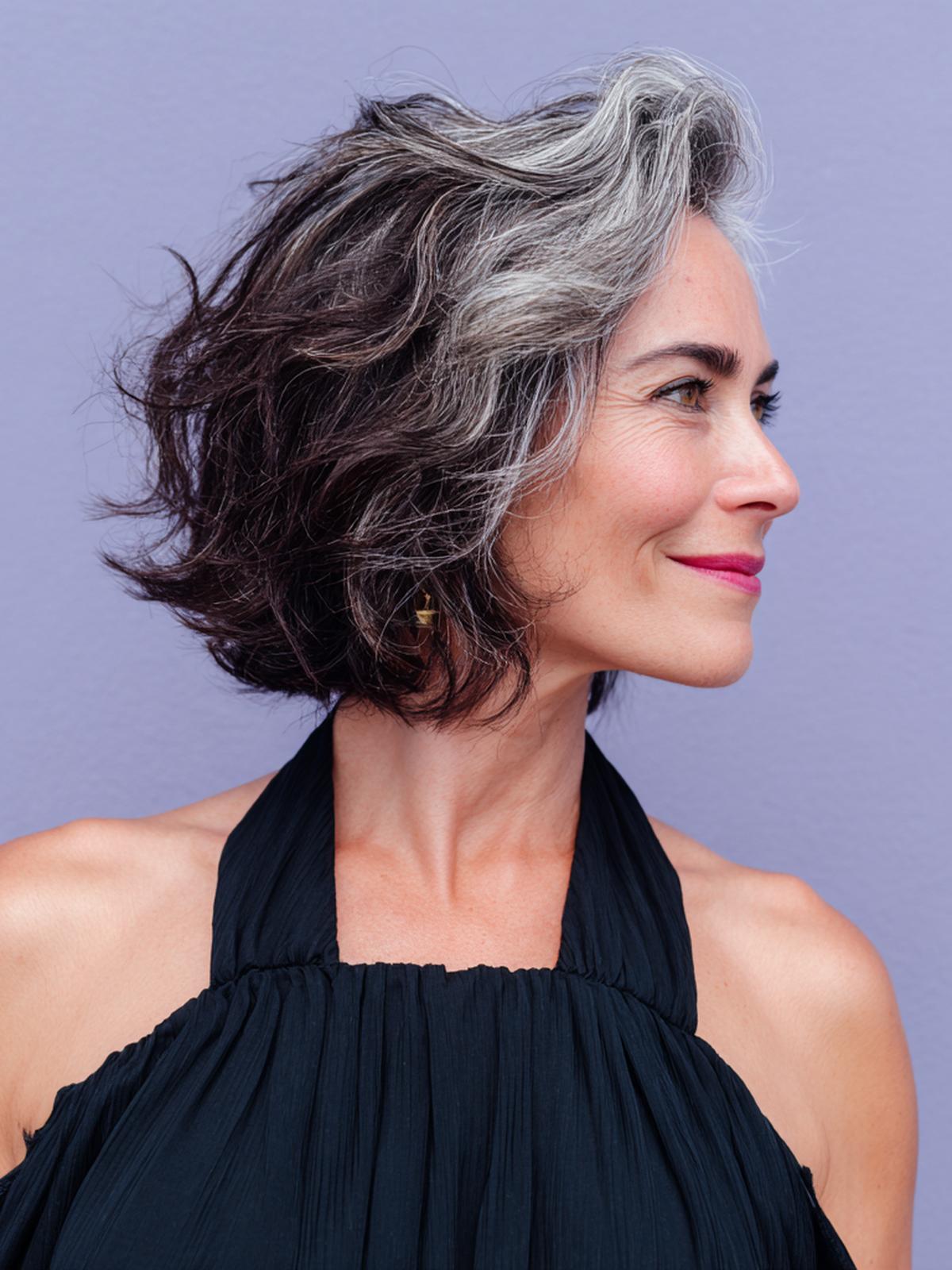
Salt and pepper hair often benefits from movement because different tones naturally create dimension. The soft wave pattern can make the texture look more defined.
Grey hair is a personal choice, and covering, blending, or growing it out are all valid routes. Any colour service requires a 48-hour allergy test and a strand test.
Crown Lift Pixie For Delicate Strands
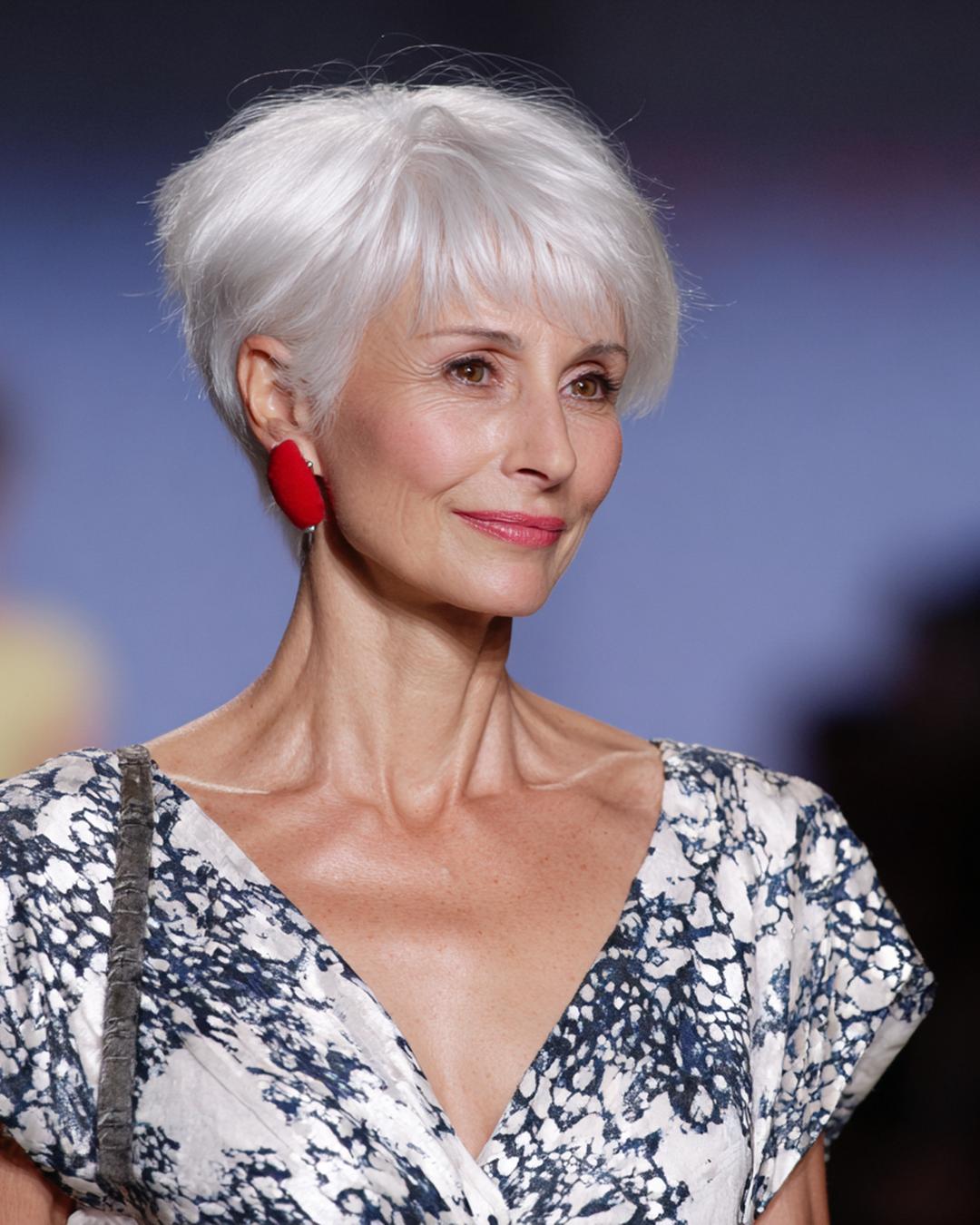
A pixie can make fine hair feel easier to manage because there is less length pulling downward. The crown texture is what creates the lifted appearance.
Most pixies need shaping every 4 to 6 weeks. Styling is quick, often under 10 minutes, but the cut depends heavily on precise technique.
Sleek Ponytail With Lasting Structure
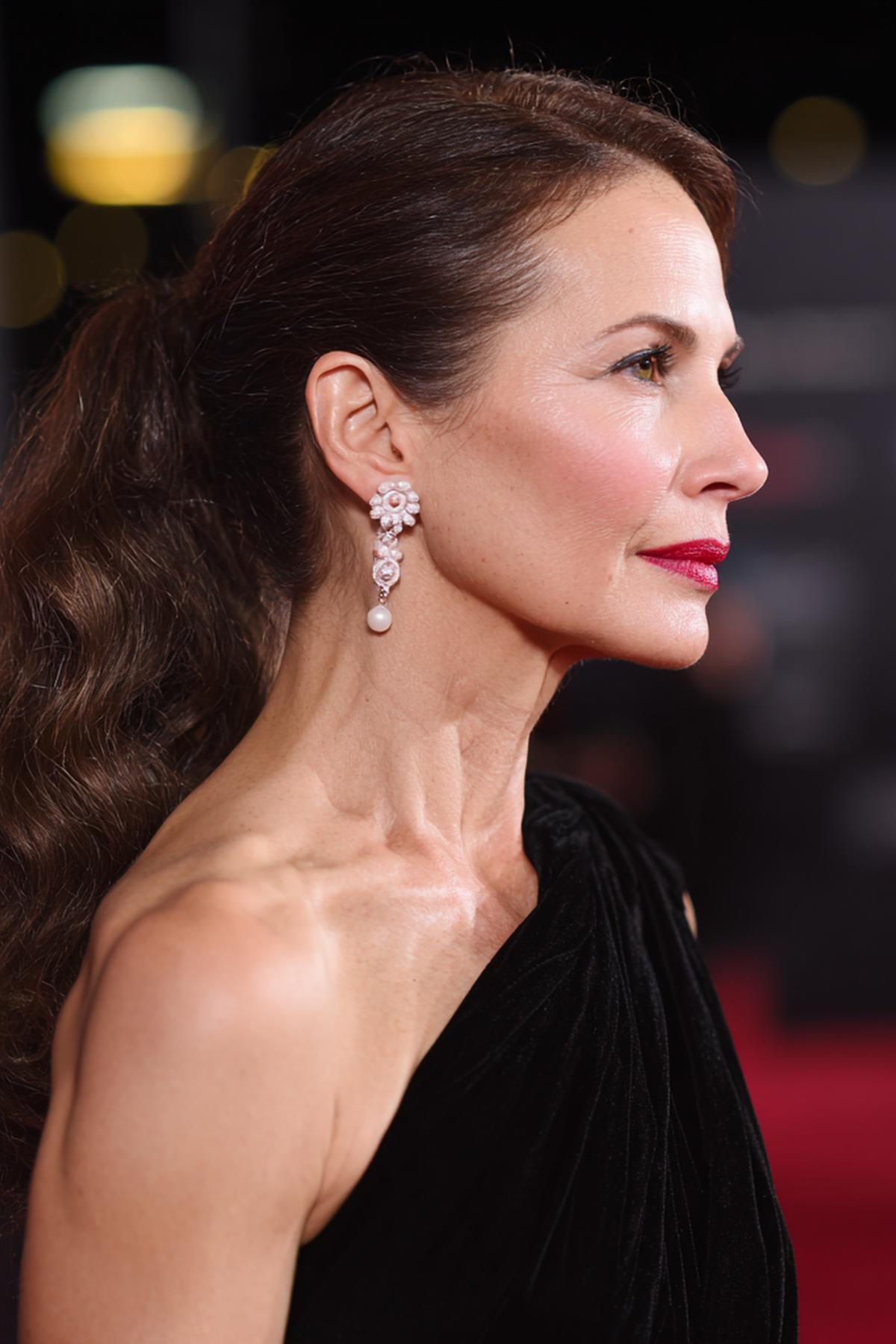
A sleek ponytail needs support rather than maximum tightness. The balanced tension approach helps avoid unnecessary pulling on the hairline.
If a ponytail feels painful or causes repeated pulling, loosen it. Constant tension can contribute to traction alopecia.
Airy Fringe Bob That Resists Collapse

This bob uses a lighter fringe instead of a dense block. The airy front section helps fine hair keep movement through the day.
A small amount of styling foam and careful drying usually works better than layering multiple products.
Face Framing Layers For Finer Textures
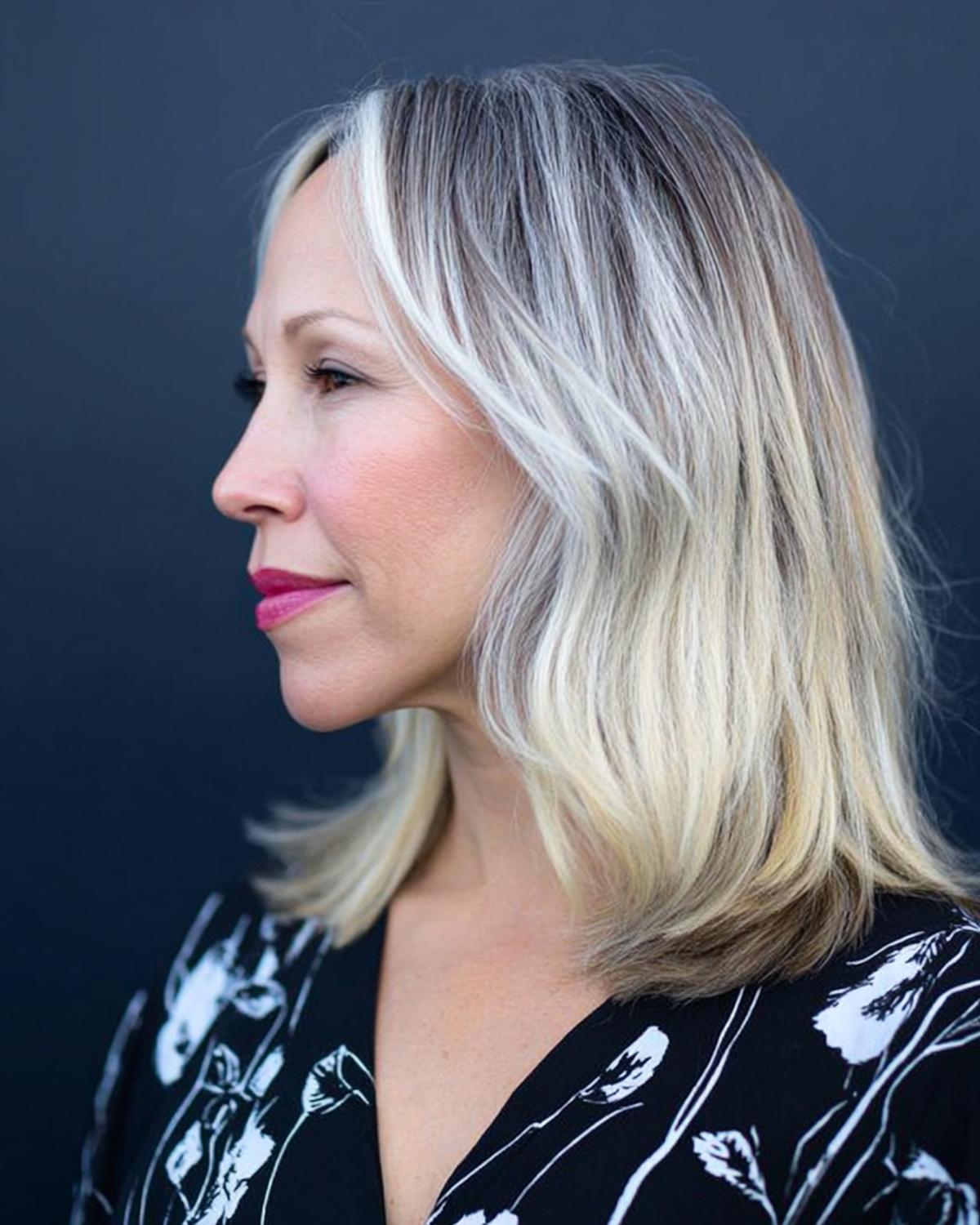
Face framing layers can add direction while keeping the main length intact. The strategic layering matters because too many short pieces can reduce fullness.
This style is easier to maintain when the longest layers are refreshed every few months.
Bouncy Blowout With Soft Bangs
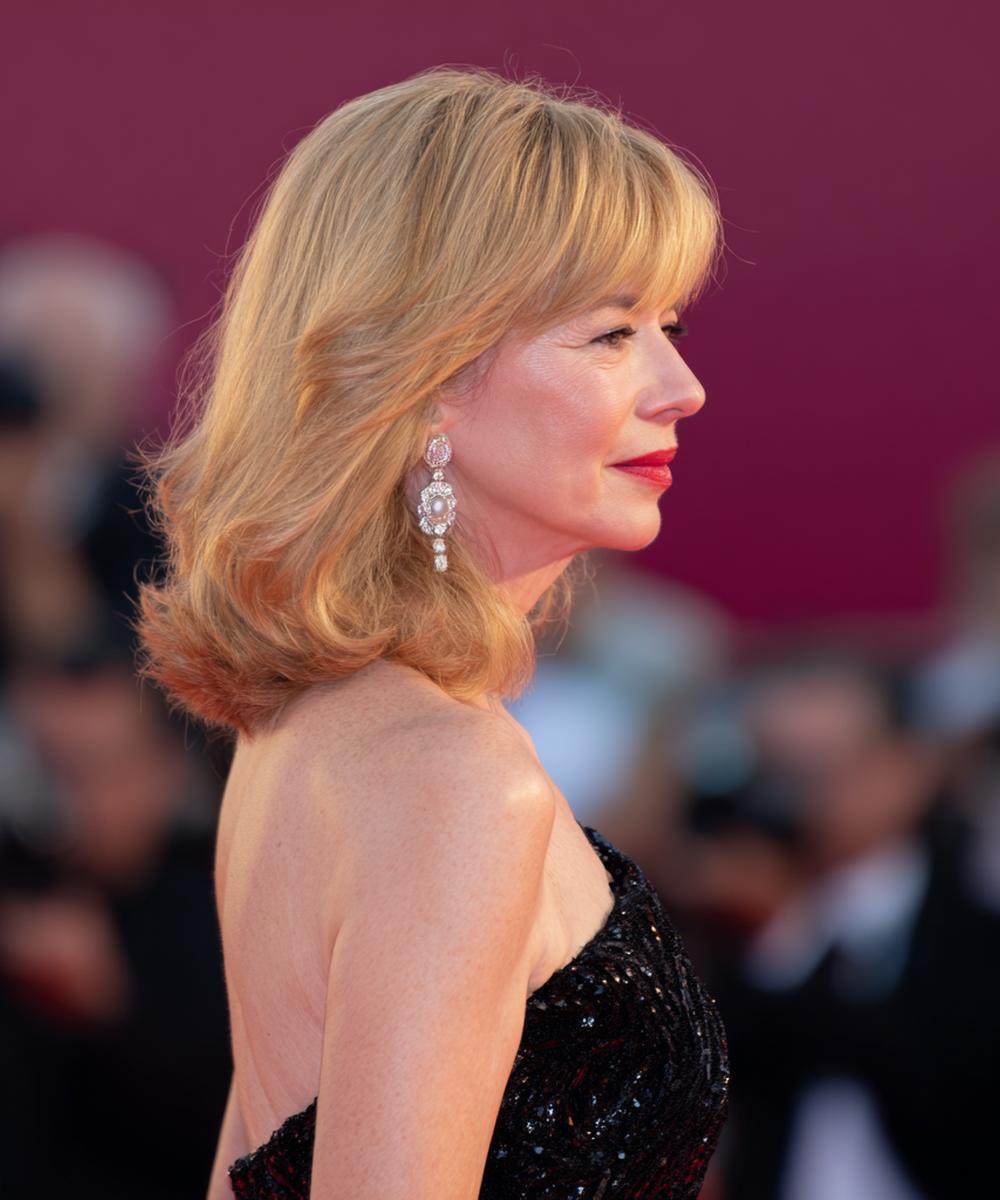
A blowout can give fine hair immediate lift, but the result depends on technique and products. The heat protection step should always come before styling.
Keep temperatures moderate and avoid expecting styling tools to repair damage. A blowout usually lasts one to three days depending on conditions.
Long Layers And Bangs For Enduring Lift
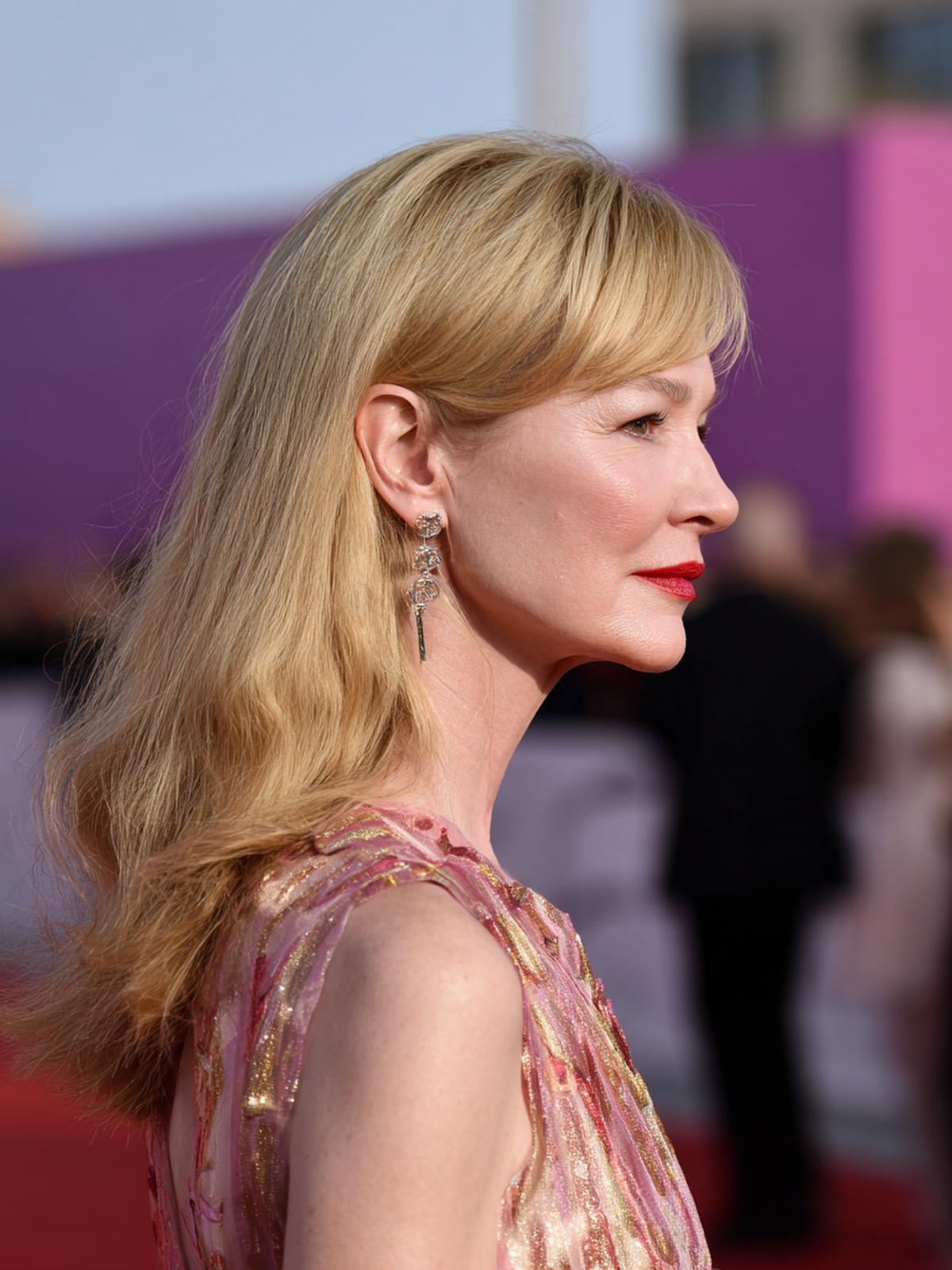
Long fine hair can hold shape when layers are placed carefully. The preserved length balance prevents the cut from becoming too thin at the ends.
Bangs need regular trims, often every few weeks, while the longer layers can go longer between appointments.
Feathered Bob That Boosts Fine Hair

This variation keeps the bob shape but adds more texture through the ends. The soft feathering makes styling easier for strands that lose volume quickly.
Avoid heavy oils near the roots because they can reduce the airy effect.
Textured Lob Waves For Fine Hair

Lob waves work well when the cut already has movement built in. The textured foundation means styling does not have to create all the volume.
Fine wavy hair may need different techniques than straight fine hair, and I would adjust products based on how easily the waves hold.
Soft Wavy Bob That Lasts On Fine Hair
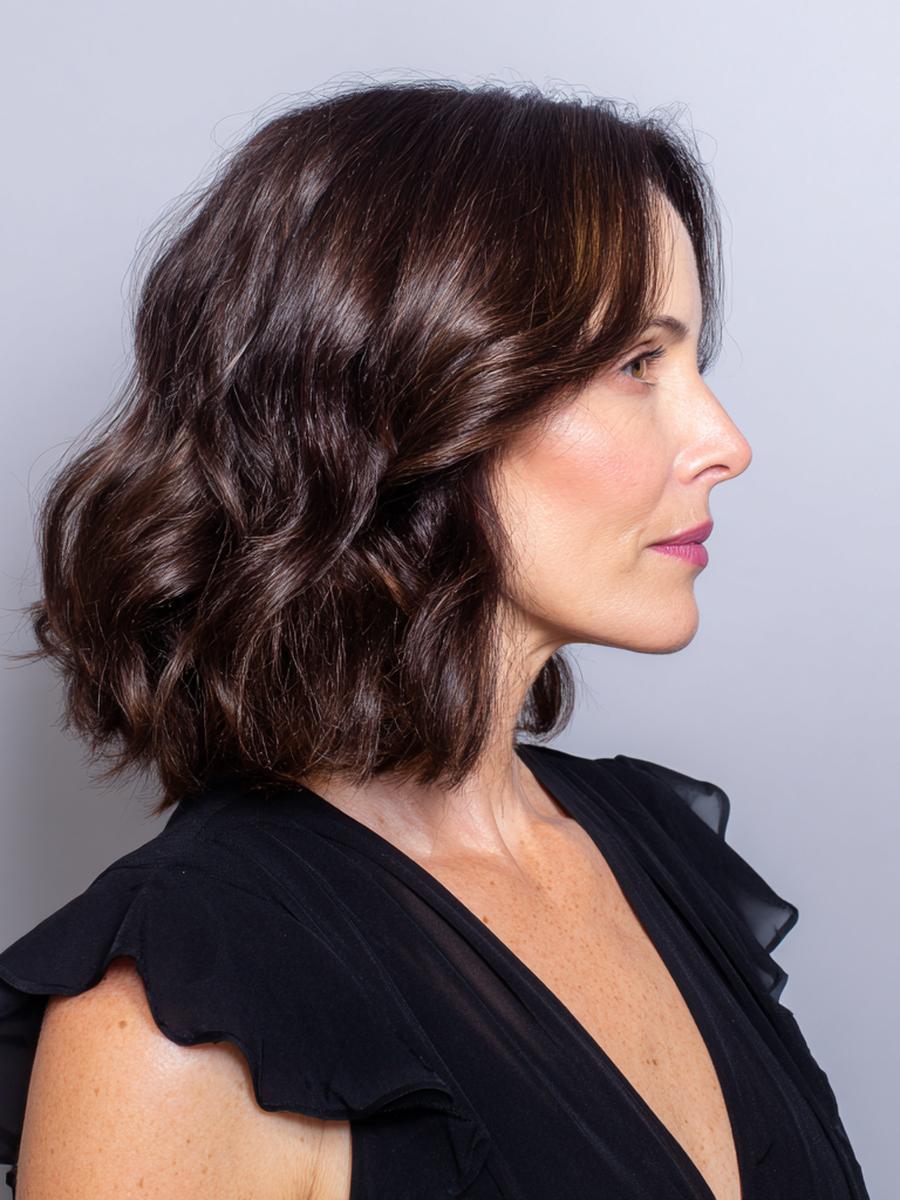
A soft wavy bob avoids the stiffness that can make fine hair look smaller. The natural movement approach usually gives the most believable result.
Second-day styling often holds waves better than freshly washed hair because the strands have more grip.
Shaggy Layers And Fringe For Slippery Strands
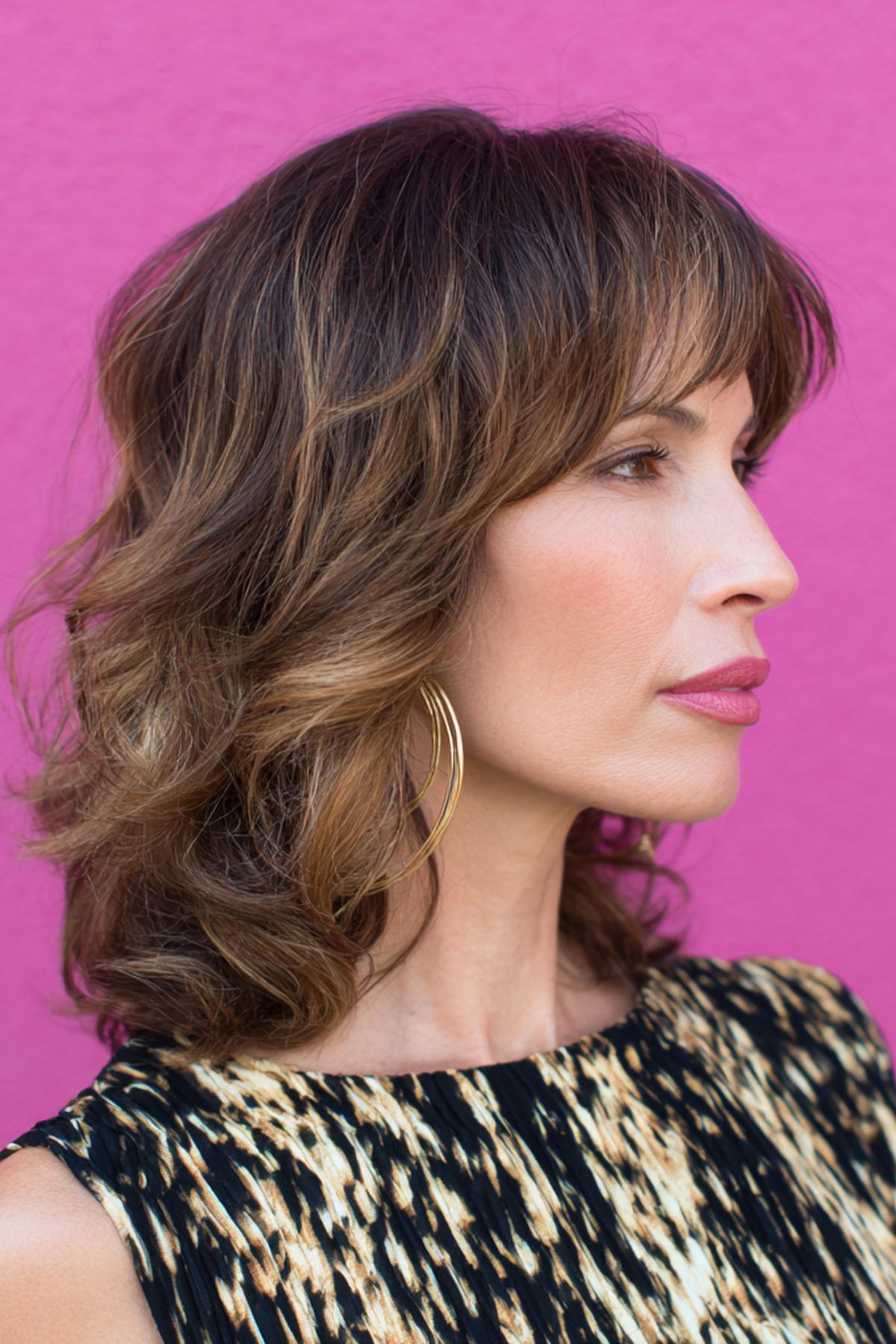
A shag can add personality to fine hair, but it needs careful placement. The layer distribution should create movement without removing too much density.
Styling tip: Start with less product and add only if the hair still needs grip.
How often should a fine hair bob be trimmed?
Most bobs need shaping every 6 to 10 weeks depending on the outline and growth rate.
Can fine hair use layers?
Yes, but the amount matters. Too many layers can remove the density that creates fullness.
Should heat tools be used on fine hair?
They can be used carefully with heat protection and sensible temperatures.

More Pinterest Visuals