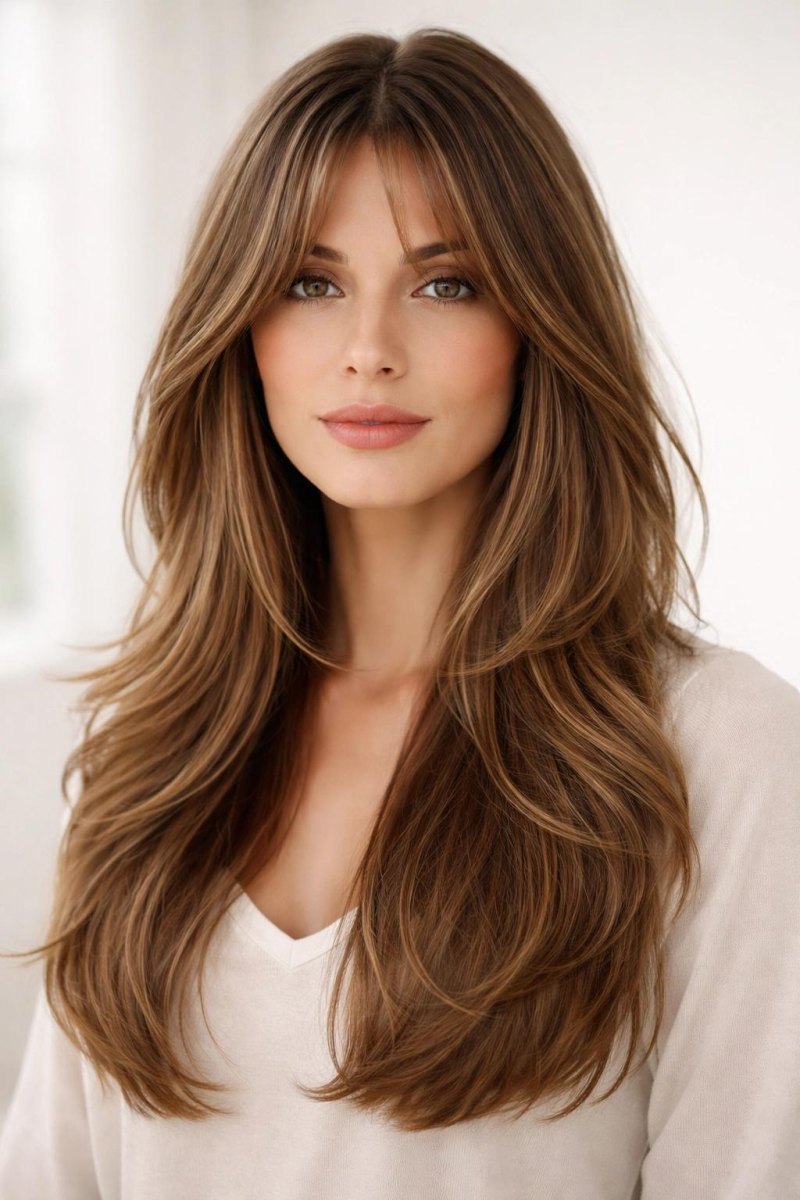
Choosing hairstyles for wide foreheads is less about rules and more about placement. The right fringe, parting, or volume can change where the eye lands while keeping the haircut personal.
Quick guide to these hairstyle ideas
- Fringes can adjust forehead proportions without changing your whole haircut.
- Layers and side parts add movement and redirect attention naturally.
- Maintenance depends on texture, length, and how much styling time you prefer.
I look for balance through shape, not a single "perfect" cut. These examples focus on techniques that work across different hair types and routines.
Side Swept Bob To Minimize Forehead Width

A side swept bob works by creating a diagonal line rather than a straight horizontal edge. I like this option for fine to medium hair because the angle adds shape without needing heavy styling.
A chin to jaw-length cut usually needs a trim every 6 to 8 weeks to keep the outline sharp.
Soft Side Fringe For Balance

A soft side fringe is one of the easiest adjustments when someone wants forehead balance without committing to a full fringe. The ends should stay light so they move with the hair.
For thick hair, removing weight underneath helps prevent the fringe from separating.
Midlength Layers That Narrow The Forehead

Midlength layers add vertical movement and keep the haircut from feeling heavy at the top. This is practical for people who want length but still want shape.
On wavy hair, layers should follow the natural bend rather than fighting it.
Curtain Bangs And Tousled Shag

Curtain bangs and a shag cut create separation through the front. The softer centre opening keeps the style flexible while the layers add texture.
I would avoid over-thinning the fringe because it can make the shape disappear on finer hair.
Half Up Height With Soft Face Pieces

A half up style with loose front pieces adds height at the crown while keeping softness around the forehead area. It works best when the pulled-back section is not too tight.
Watch the tension
If an updo pulls or hurts, loosen it. Repeated tight styling can contribute to traction alopecia.
Curly Bob And Short Fringe For Coverage
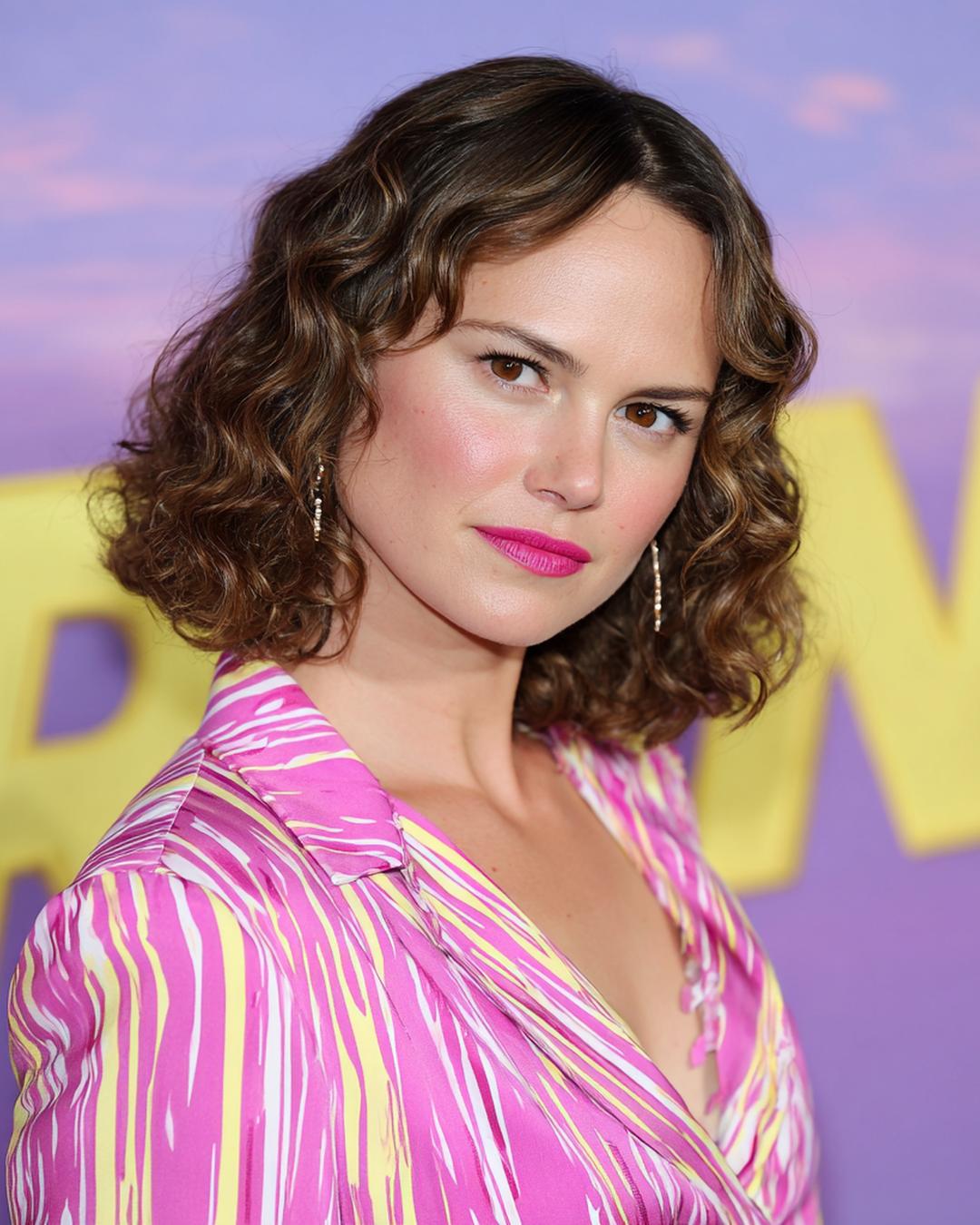
A curly bob with a short fringe needs careful shaping because curls shrink as they dry. The cut should be planned around the curl pattern.
I would ask for a dry curl assessment before a major change, especially with tighter textures.
Wispy Bangs On A Wavy Lob

A wavy lob with wispy bangs gives movement without the maintenance of a dense fringe. This cut usually suits people who enjoy air-drying or loose styling.
Blunt Fringe On A Breezy Bob

A blunt fringe creates a strong shape across the front. It needs more upkeep because small growth changes are noticeable.
Fine hair can support this look, but the fringe may need daily adjustment.
Bang Options For Forehead Coverage
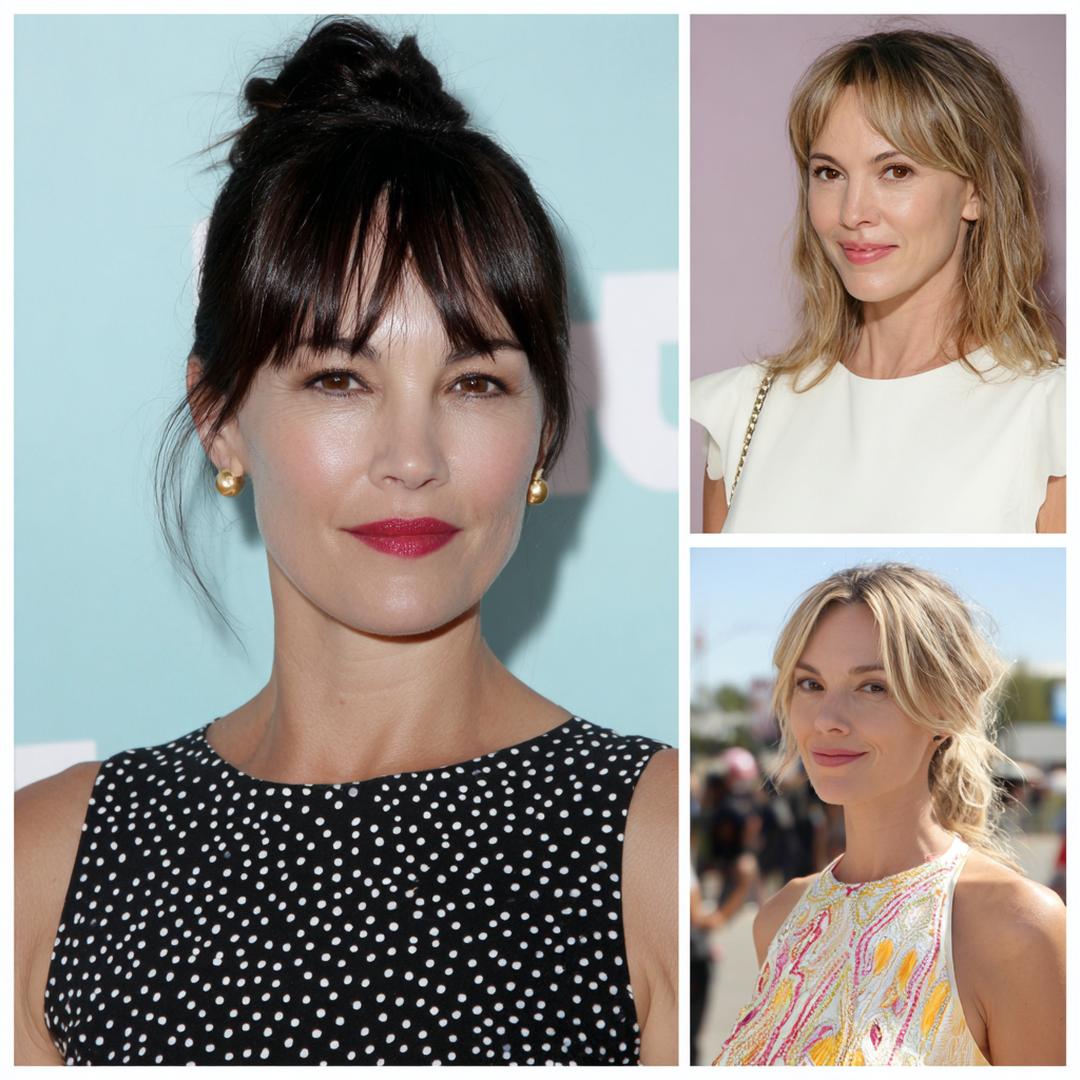
Bang choice depends on texture, density, and styling habits. A consultation should compare curtain, wispy, side, and full fringe options before cutting.
| Bang type | Maintenance |
|---|---|
| Wispy | Lower styling commitment |
| Full fringe | Regular trims needed |
Mini Topknot With Soft Fringe

A mini topknot works when the front remains loose. Soft fringe pieces prevent the style from becoming too severe.
Soft Curtain Bangs To Balance A Broad Forehead
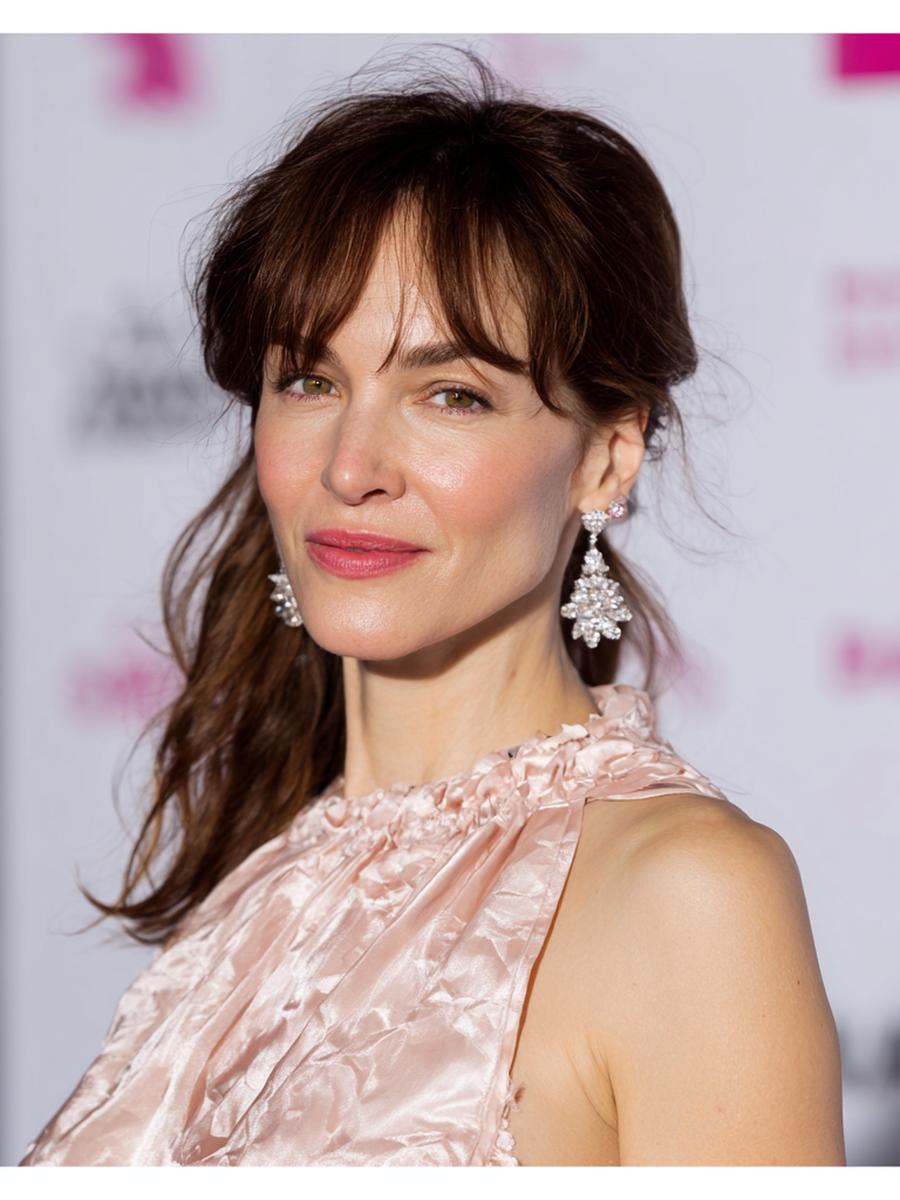
Soft curtain bangs are a flexible choice because they can be worn open, swept aside, or styled with volume. They usually need refreshing every few weeks as they grow.
Wavy Bob With Peekaboo Fringe For Forehead Softening

A peekaboo fringe keeps some strands longer, creating movement without a heavy front line. It is a useful option for people unsure about a full fringe.
Full Straight Fringe With An Easy Updo To Shorten The Forehead

A straight fringe with an easy updo creates a clean silhouette. The fringe requires regular trims, often around every 3 to 5 weeks.
Deep Side Part Waves That Disguise A Wide Forehead
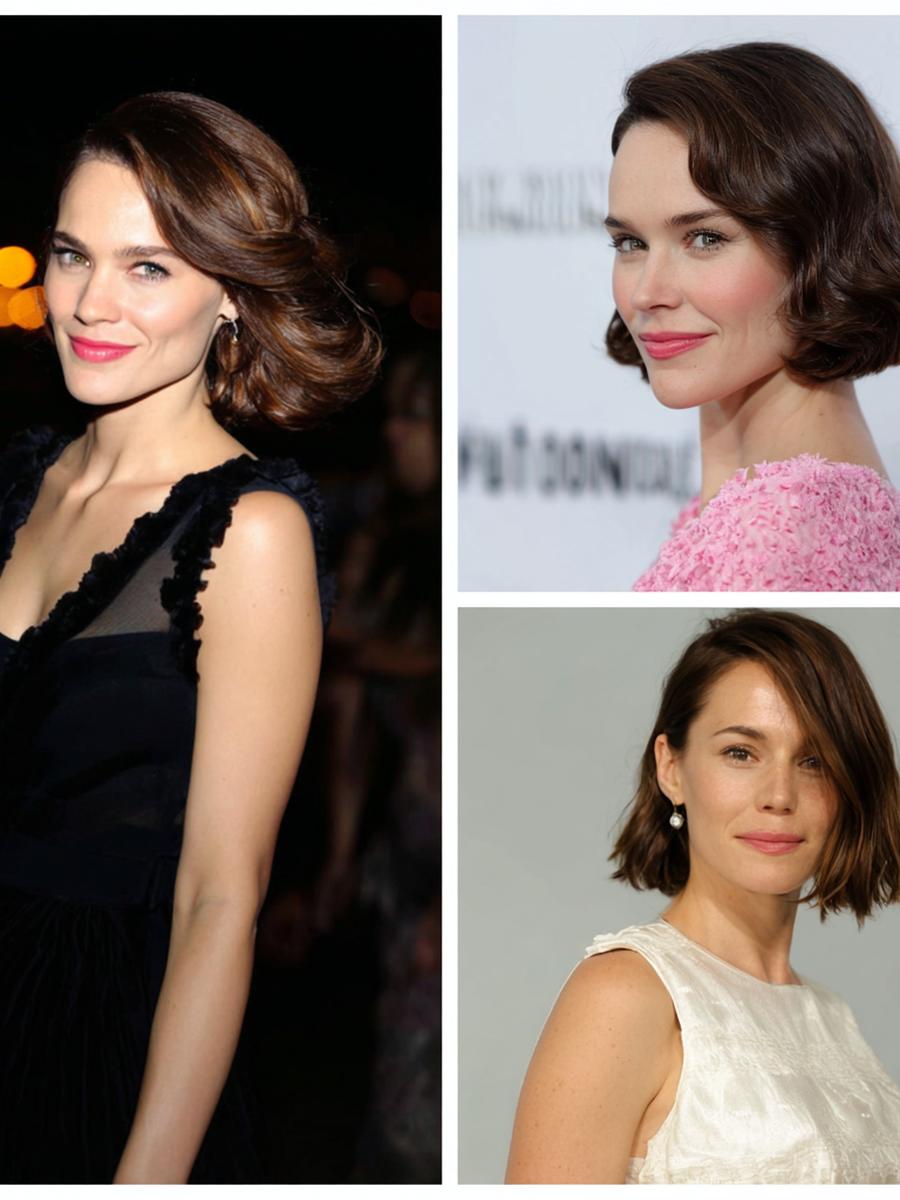
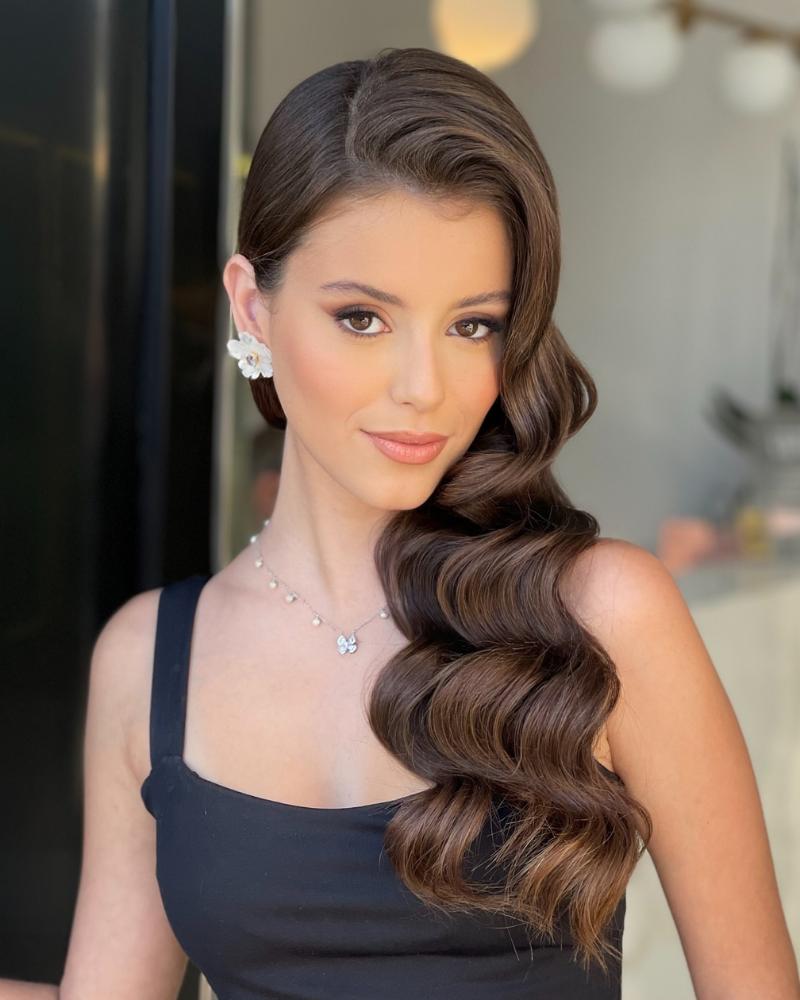
A deep side part shifts volume away from the centre. This is a styling change rather than a permanent haircut change.
Long Layers With Fringe Options For Forehead Coverage
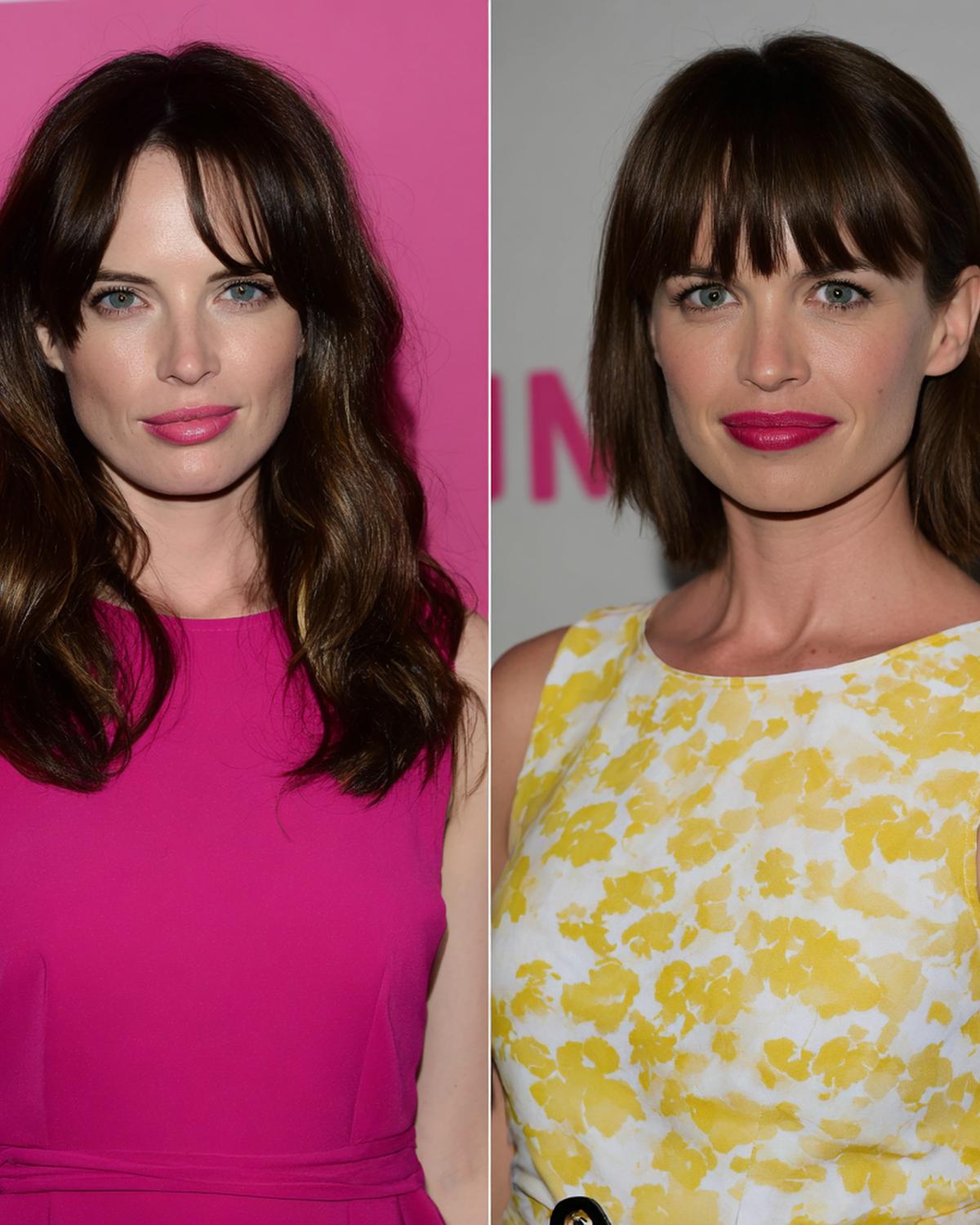
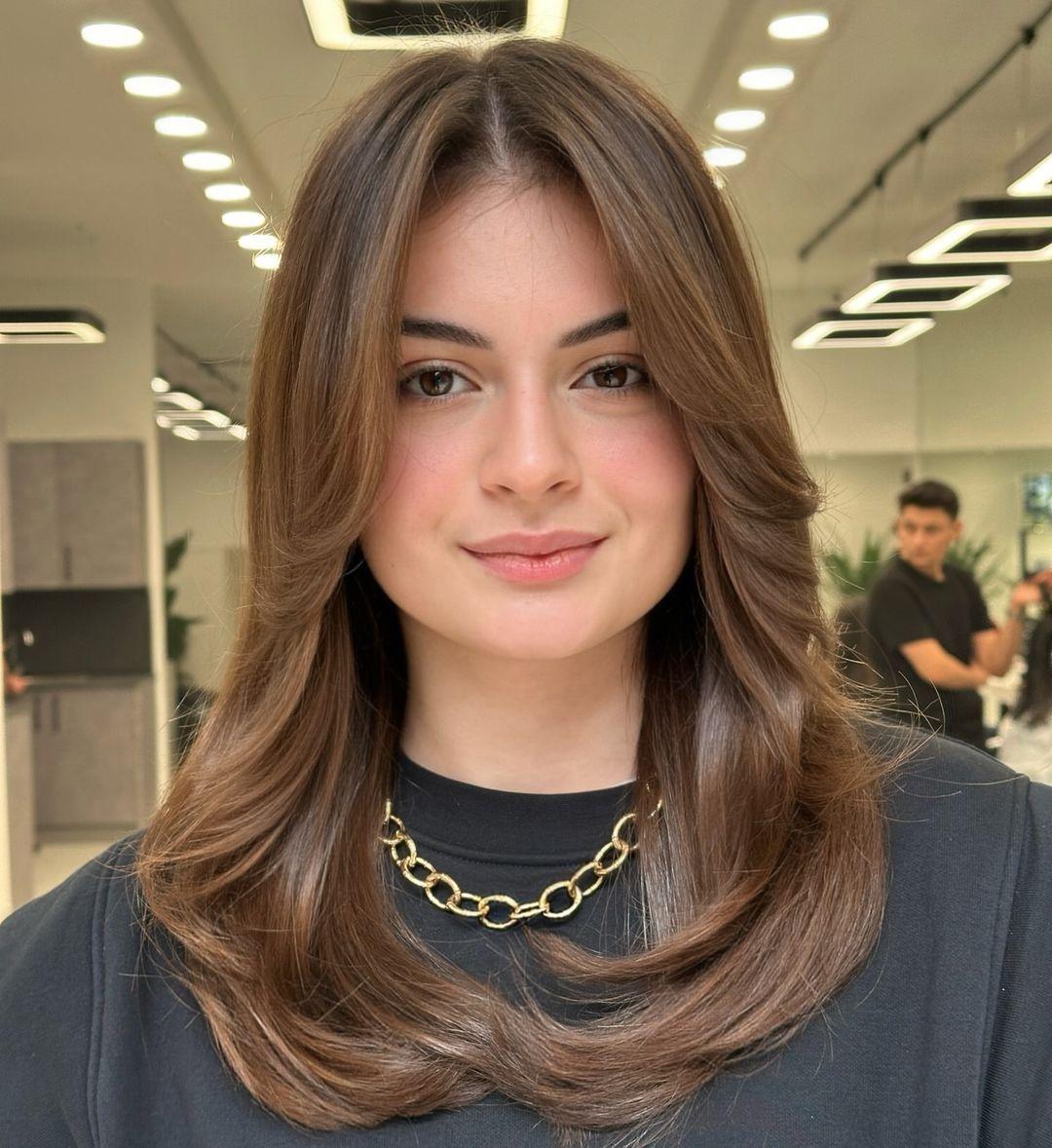
Long layers combined with fringe options give flexibility. Thick hair often benefits from internal weight removal, while fine hair needs careful layering to keep fullness.
Half Up Crown Volume That Offsets A Broad Forehead

Crown volume can be created with gentle styling rather than aggressive teasing. Heat styling should always include heat protection.
Textured Lob With Side Sweep To Minimize Forehead Width

A textured lob is a practical middle length. The side sweep creates asymmetry and keeps the front from looking flat.
Feathered Shag Layers That Veil A Broad Forehead

Feathered shag layers work well when natural texture is part of the look. Styling time is usually shorter because the shape relies on movement.
Versatile Bobs That Redirect Attention From A Wide Forehead
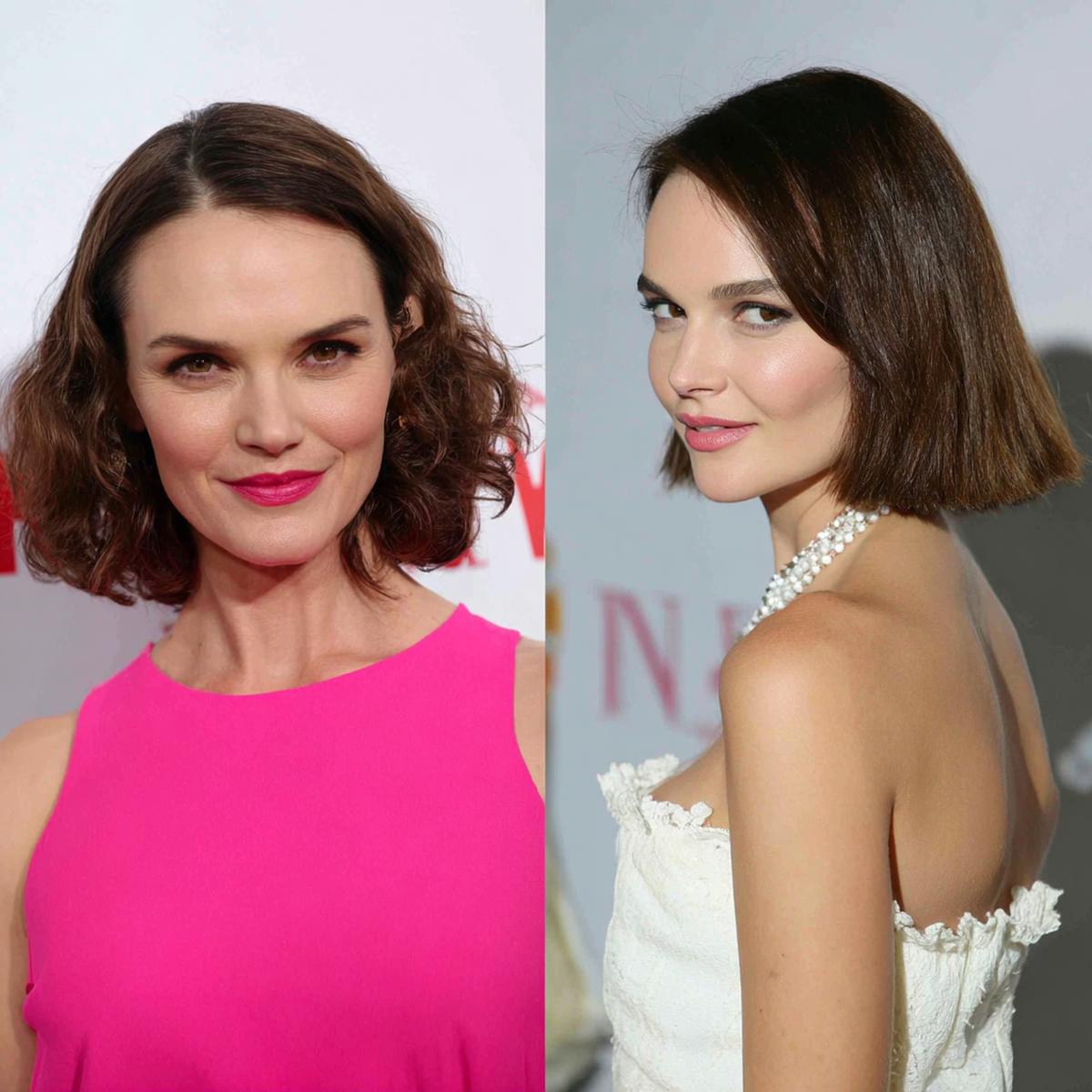
Bobs are adaptable because the parting, fringe, and length can all change the result. A consultation should include styling time and grow-out expectations.
Classic Midlength Layers That Rebalance A Wider Forehead

Classic midlength layers remain popular because they work with many textures. I prefer this approach when someone wants a change without a dramatic length shift.
Tousled Bob With Soft Fringe For A Broad Forehead

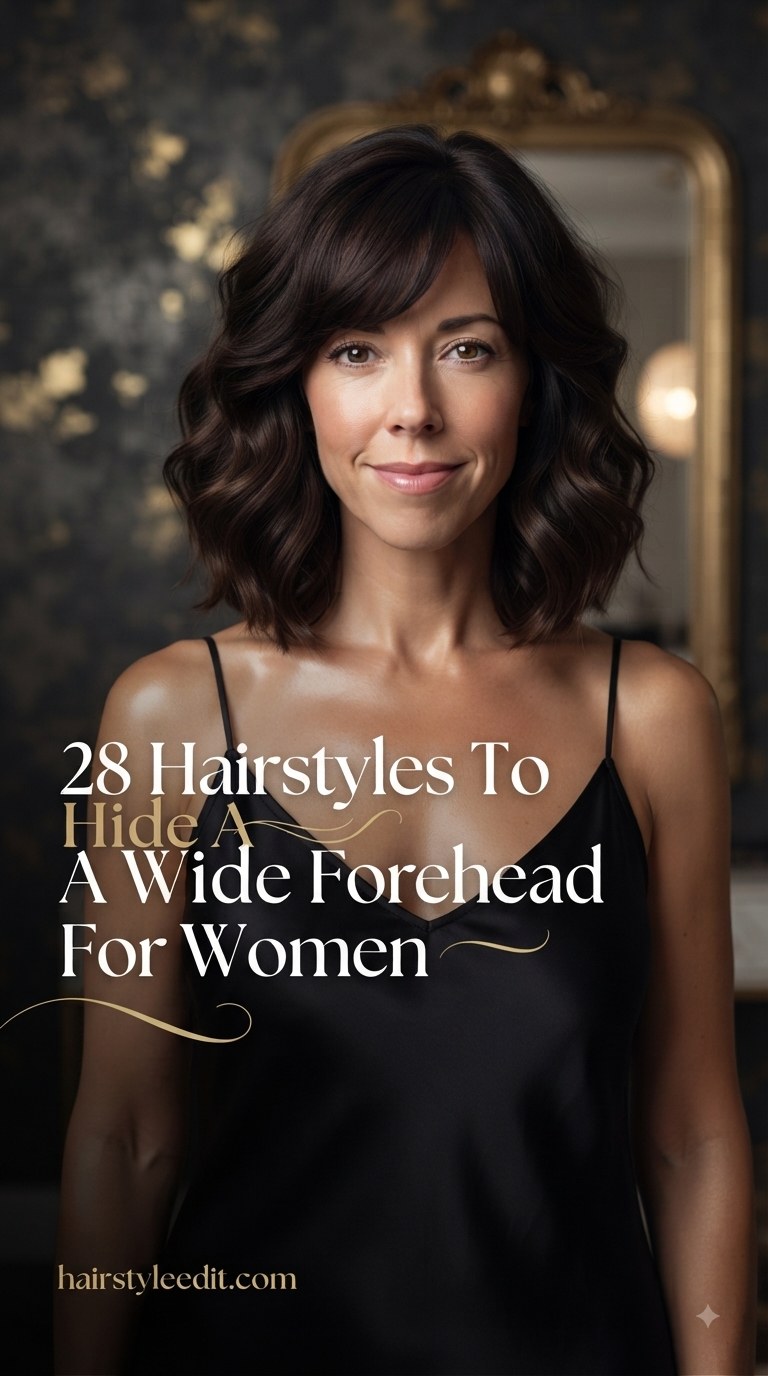
This tousled bob works because the soft fringe breaks up a straight hairline while the loose texture keeps the cut from looking too flat. I like this option for fine to medium hair because a few waves can make the shape feel fuller without adding heavy styling.
The cut usually needs a trim every 6 to 8 weeks to keep the fringe sitting correctly. A first styling attempt takes around 10 minutes with a round brush or diffuser, depending on hair texture.
Styling tip
Keep the fringe airy rather than packed tightly against the forehead. Too much product at the roots can make the shape collapse.
Short Wavy Crop That Balances A Broad Forehead

A short wavy crop can suit a broad forehead when the top has controlled movement instead of being brushed straight back. The waves create direction, which changes how the haircut frames the face.
I have found that this style performs best when the natural wave pattern is encouraged instead of forced into a different shape. Thick hair may need internal weight removal, while fine hair often benefits from lightweight styling cream.
Works well for
- Natural wavy textures
- Low daily styling routines
- Adding movement near the hairline
Consider first
- Frequent trims every 4 to 8 weeks
- Extra shaping for very thick hair
High Topknot With Face-Framing Pieces To Soften A Wide Forehead

A high topknot can work with a broad forehead when it is not pulled into a severe, tight shape. Face-framing pieces add movement around the temples and keep the style from looking overly stretched upward.
I avoid making this style too tight because repeated tension from buns and ponytails can contribute to traction alopecia. If the style pulls or causes discomfort, it needs to be loosened.
Tension check
A secure updo should feel comfortable. Pain, pulling, or soreness is a sign the style is too tight.
Blunt Fringe On A Wavy Lob To Conceal A Wide Forehead
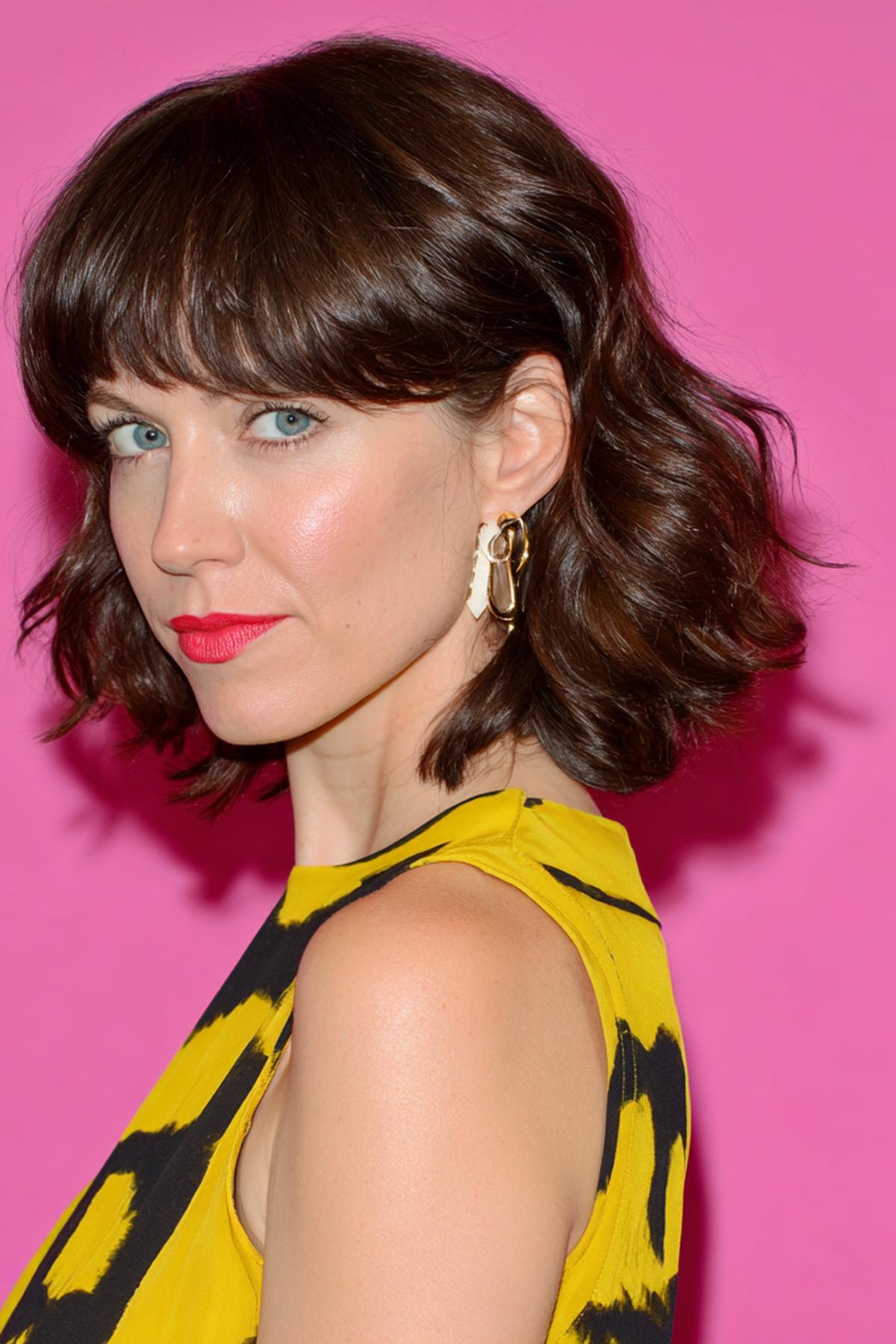
A wavy lob with a blunt fringe gives a clear shape while the waves stop the cut from feeling rigid. This combination suits people who want a noticeable fringe without committing to a very short haircut.
The main maintenance point is fringe growth. Most people need shaping every 4 to 6 weeks, while the lob length itself can often go longer between salon visits.
Common mistake
Cutting a thick fringe without considering natural wave direction can make it separate unevenly. A stylist should assess the hair dry and wet before deciding the shape.
Collarbone Waves With Subtle Curtain Part To Minimize Forehead Width

Collarbone waves are a reliable choice when longer length feels important. The subtle curtain part directs attention through the centre of the style while the waves add width lower down.
This cut generally needs less frequent shaping than a short bob, with many people returning for maintenance around every 8 to 12 weeks. Heat styling should always include a heat protectant, especially when creating repeated waves.
Long Layers With Airy Curtain Bangs For A Balanced Forehead

Long layers with airy curtain bangs are useful when someone wants length but also wants more shape around the forehead. The key is keeping the bangs light enough to blend into the layers.
I would not choose this cut for someone who dislikes regular styling, because curtain bangs often need a quick blow-dry or reshaping in the morning. A first attempt usually takes 10 to 15 minutes until the technique feels familiar.
| Hair type | Adjustment |
|---|---|
| Fine hair | Keep layers minimal to preserve fullness. |
| Thick hair | Use careful internal shaping to reduce bulk. |
Voluminous Bob And Curtain Bangs To Narrow A Broad Forehead
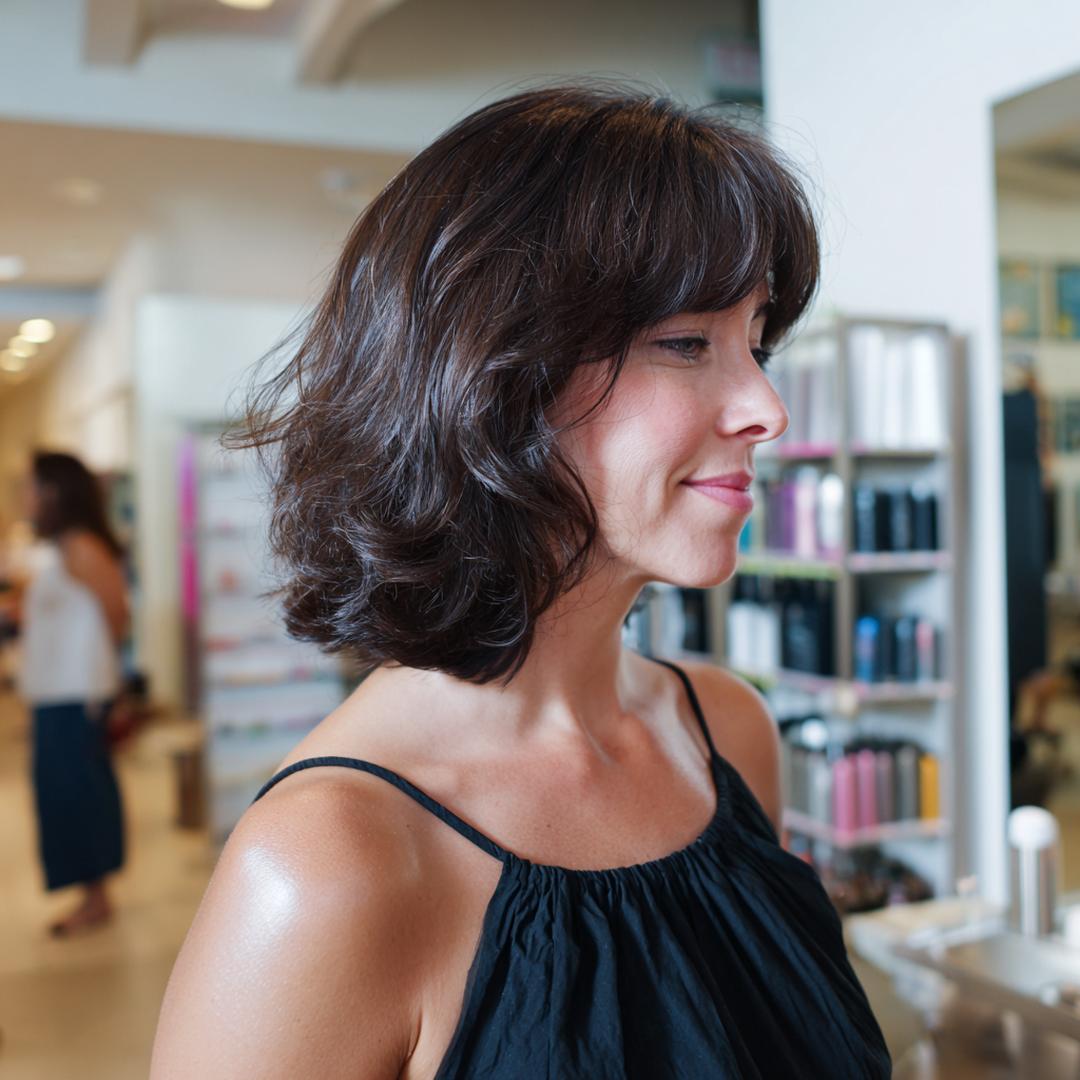
This voluminous bob combines two useful elements: height through the crown and softness around the front. I find it works especially well when the hair naturally supports some lift.
The shape needs regular attention because bobs lose their intended balance as they grow. Salon visits are often around every 6 to 8 weeks, with prices varying widely by region and stylist.
The detail that changes the result
The curtain bang angle matters. A shorter centre and longer sides usually create a more blended transition than a straight, heavy fringe.
Side-Swept Layers For Smart Forehead Camouflage

Side-swept layers are one of the easiest options to adapt because they can be added to different lengths. The diagonal movement creates a softer transition than a centre-part style with no framing.
This approach suits straight, wavy, and some curly textures when the layers are cut according to shrinkage and curl pattern. I would ask for a consultation before major changes on very curly or coily hair because dry shape and shrinkage can change the final length.


More Pinterest Visuals