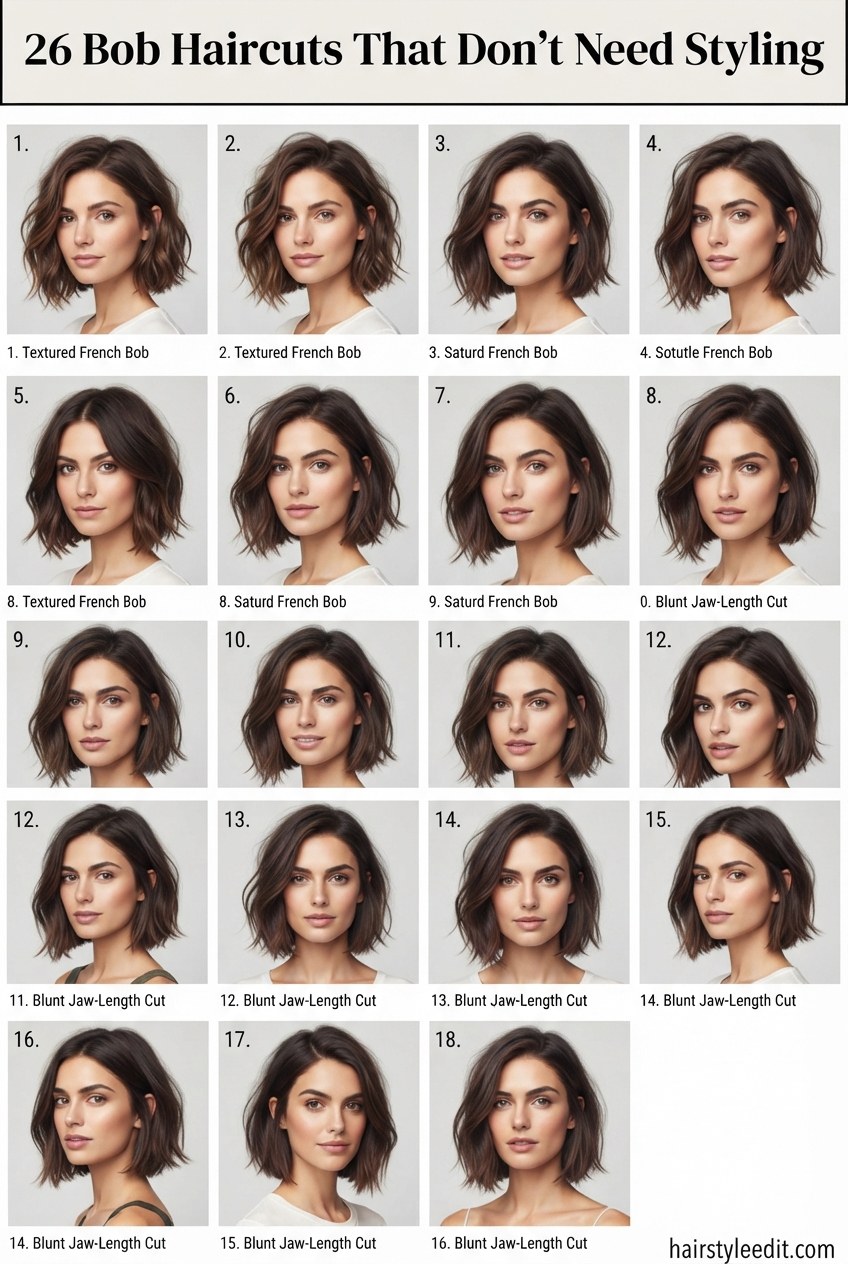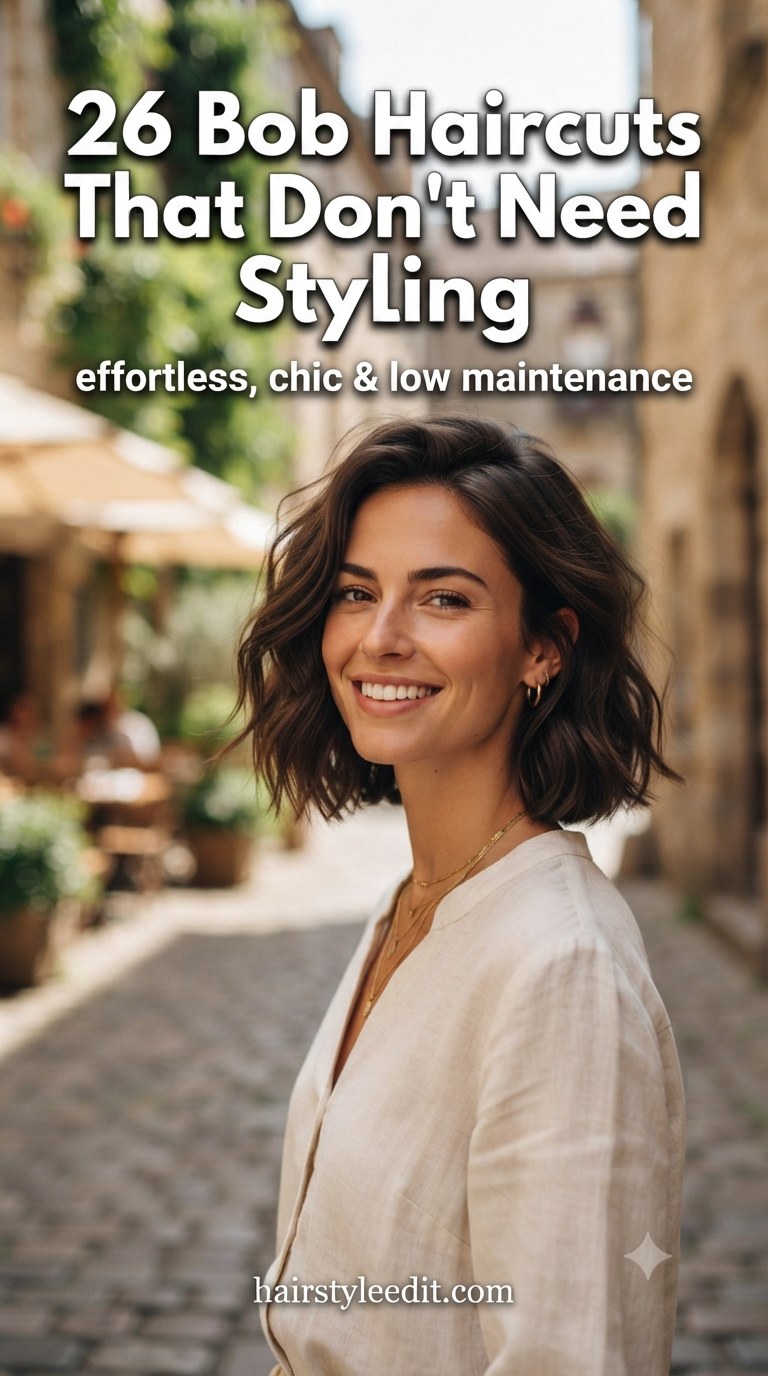
Short hair does not automatically mean less work, but the right bob can reduce the amount of styling needed each morning. Current bob trends are moving toward soft texture and natural movement, from French bobs to air-dried shapes.
I look for cuts where the shape does some of the work. The best low-maintenance bob is not simply short; it is designed around your natural pattern, density, and willingness to style.
Quick guide
- Choose shape before styling products.
- Expect most short bobs to need trims around every 6–8 weeks.
- Texture often reduces daily heat styling.
Effortless French Bob With Soft Fringe
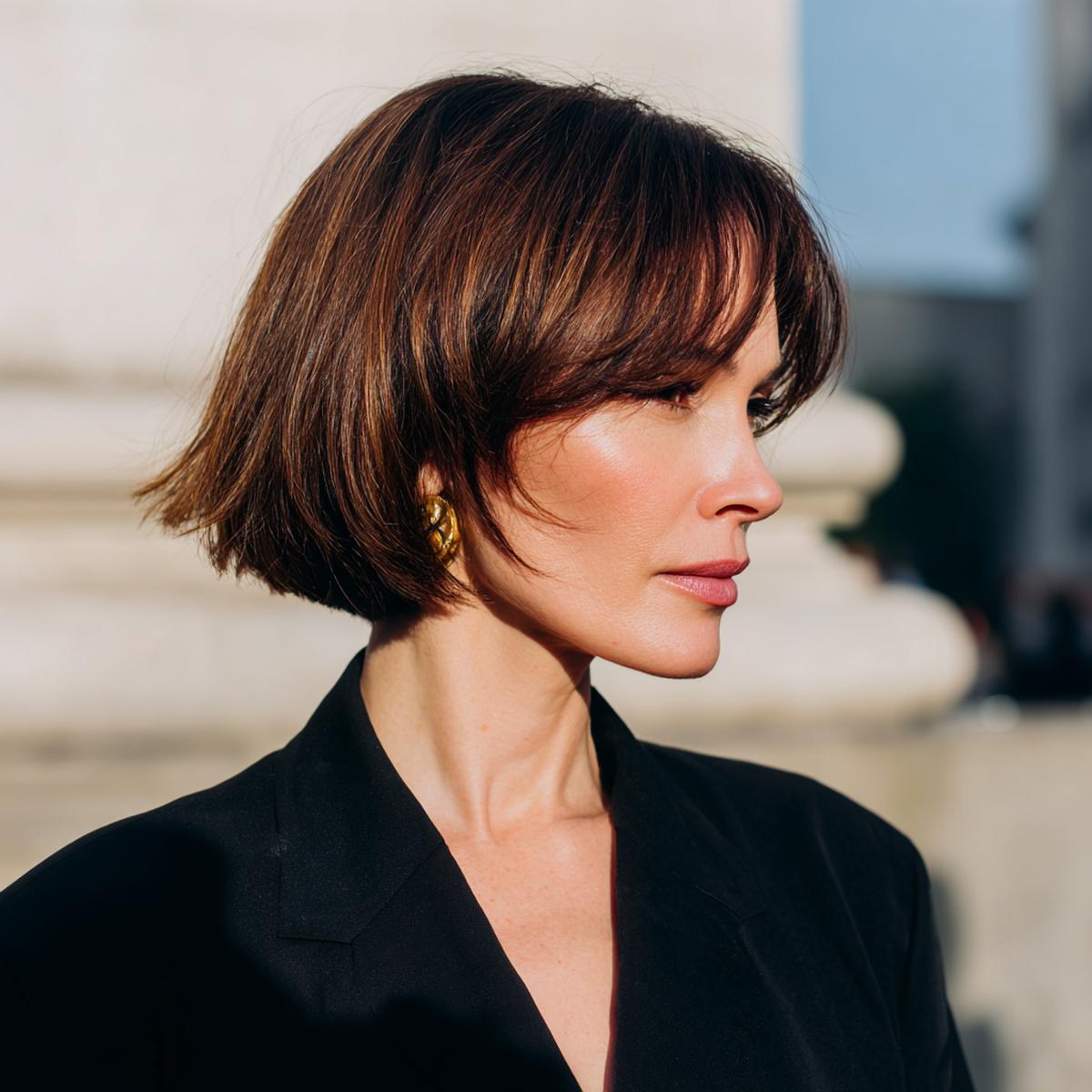
This jaw-length cut works because the soft fringe blends into natural texture. French bobs are still appearing strongly in current trend coverage for their undone finish.
Fine hair usually needs careful weight placement, while wavy hair can often air-dry into the shape.
Low-Maintenance Blonde Bob With Root Shadow
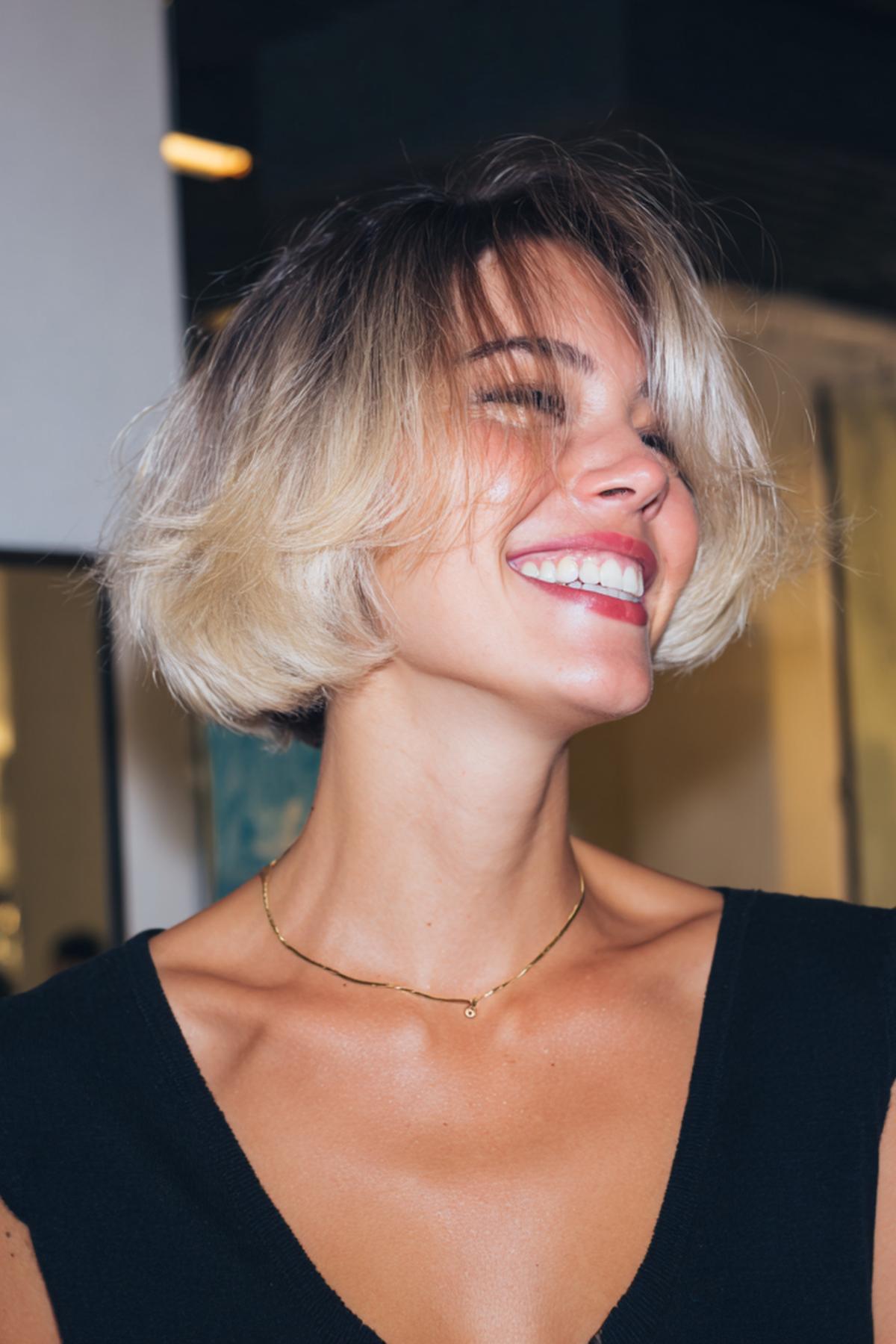
A root shadow creates a softer grow-out between blonde appointments. The key is a blended blonde transition, not skipping colour maintenance.
Any lightening service needs a strand test and a 48-hour allergy test before application.
Classic Bob With Easy Full Fringe
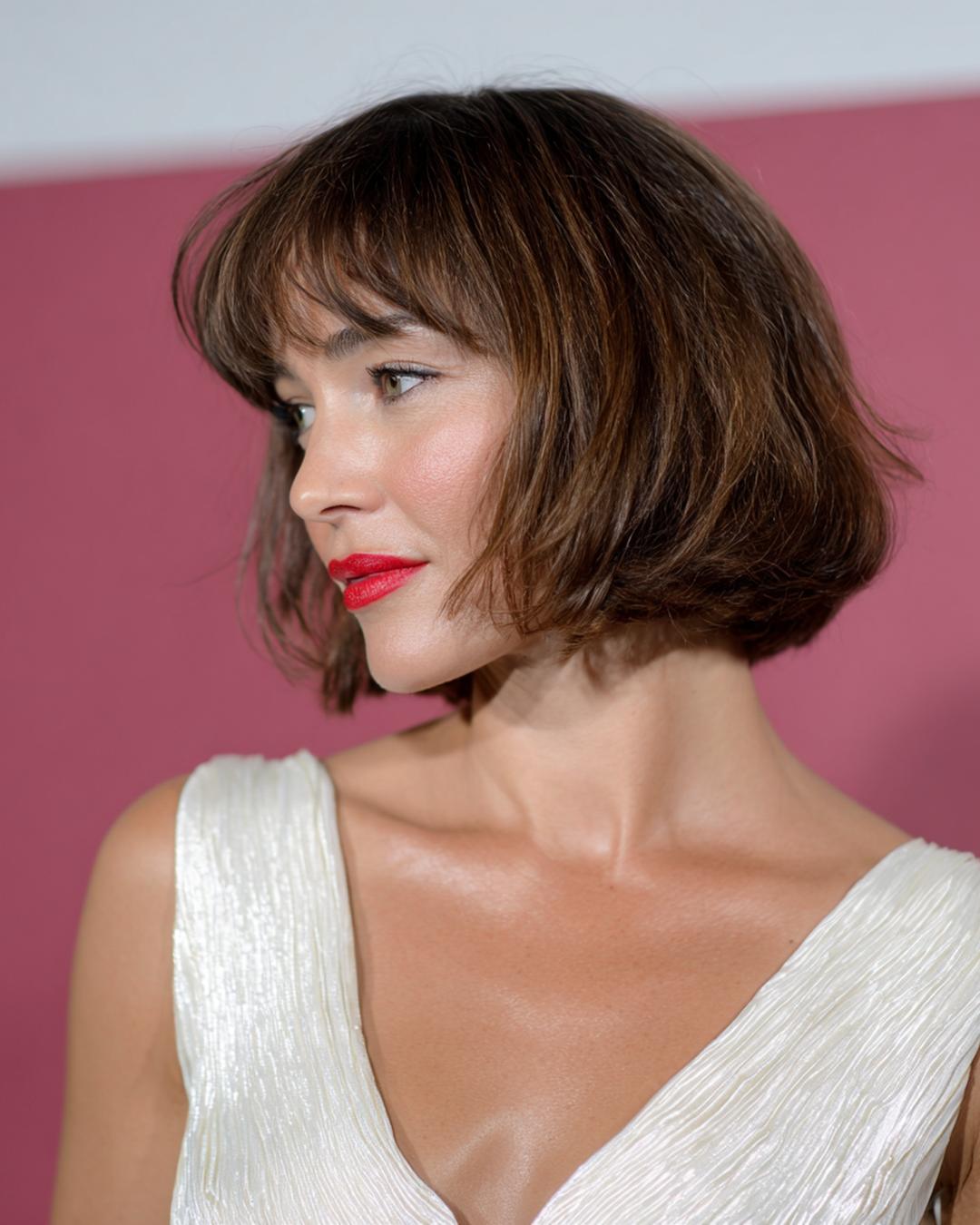
A full fringe gives a strong outline, but it usually needs more attention than longer bangs. Fringe length matters because growth becomes noticeable quickly.
Hair texture and growth patterns should guide the cut rather than copying one photo.
Rounded Bob That Styles Itself
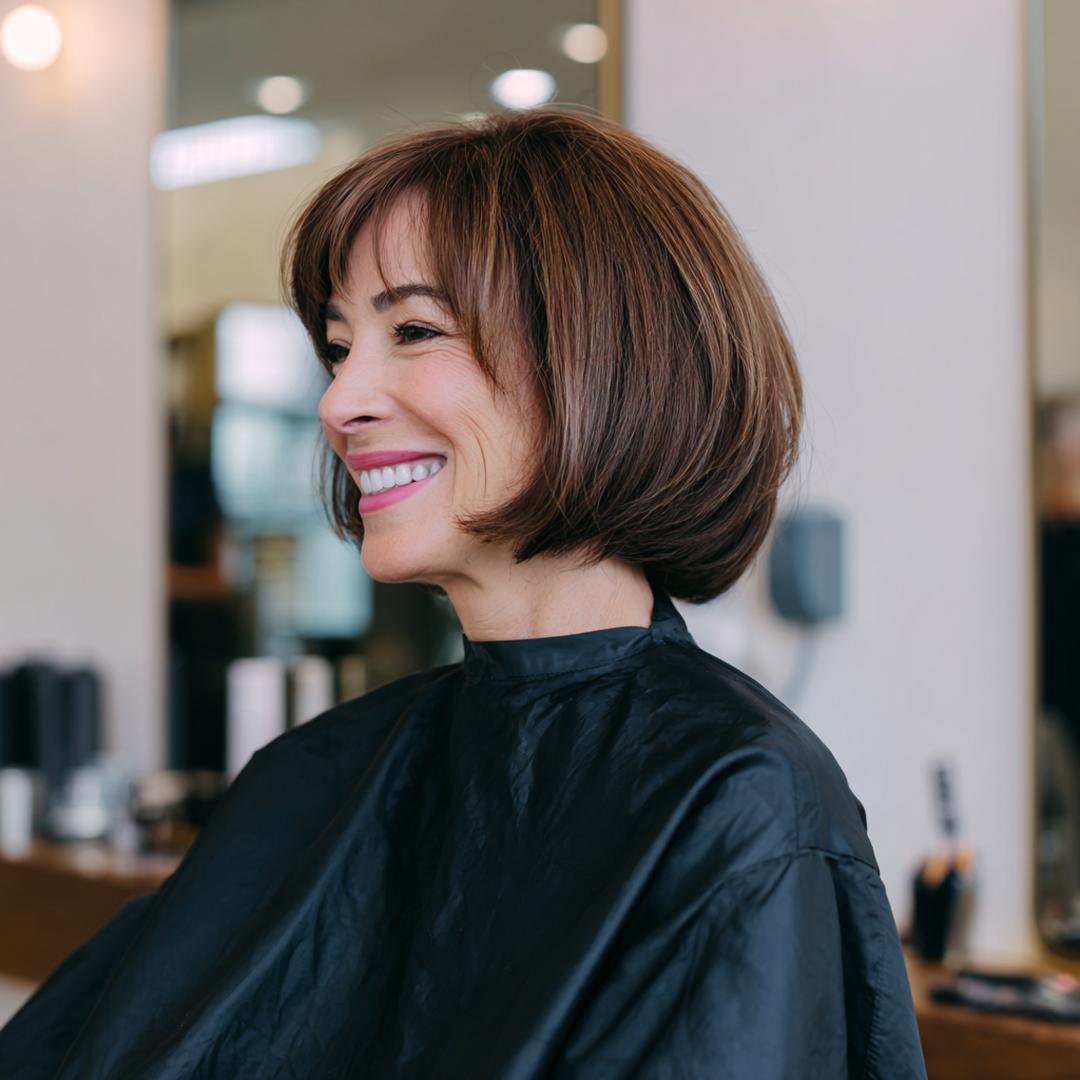
A rounded bob relies on internal shaping so the silhouette returns after washing. I prefer built-in volume over daily teasing.
Thick hair may need weight removal, while fine hair often benefits from keeping more perimeter density.
Air-Dry Bob With Subtle Movement

An air-dry bob works best when the cut respects natural bends. Reports on air-dried bobs highlight how shorter lengths can reveal hidden texture.
A lightweight styling cream can help create soft separation without making hair stiff.
Textured Bob With Wash-And-Go Waves

This version suits hair that already forms waves. The goal is enhanced texture, not forcing a curl pattern.
Curly and coily textures need shaping around their natural shrinkage and curl direction.
Sleek Side-Part Bob With Natural Lift
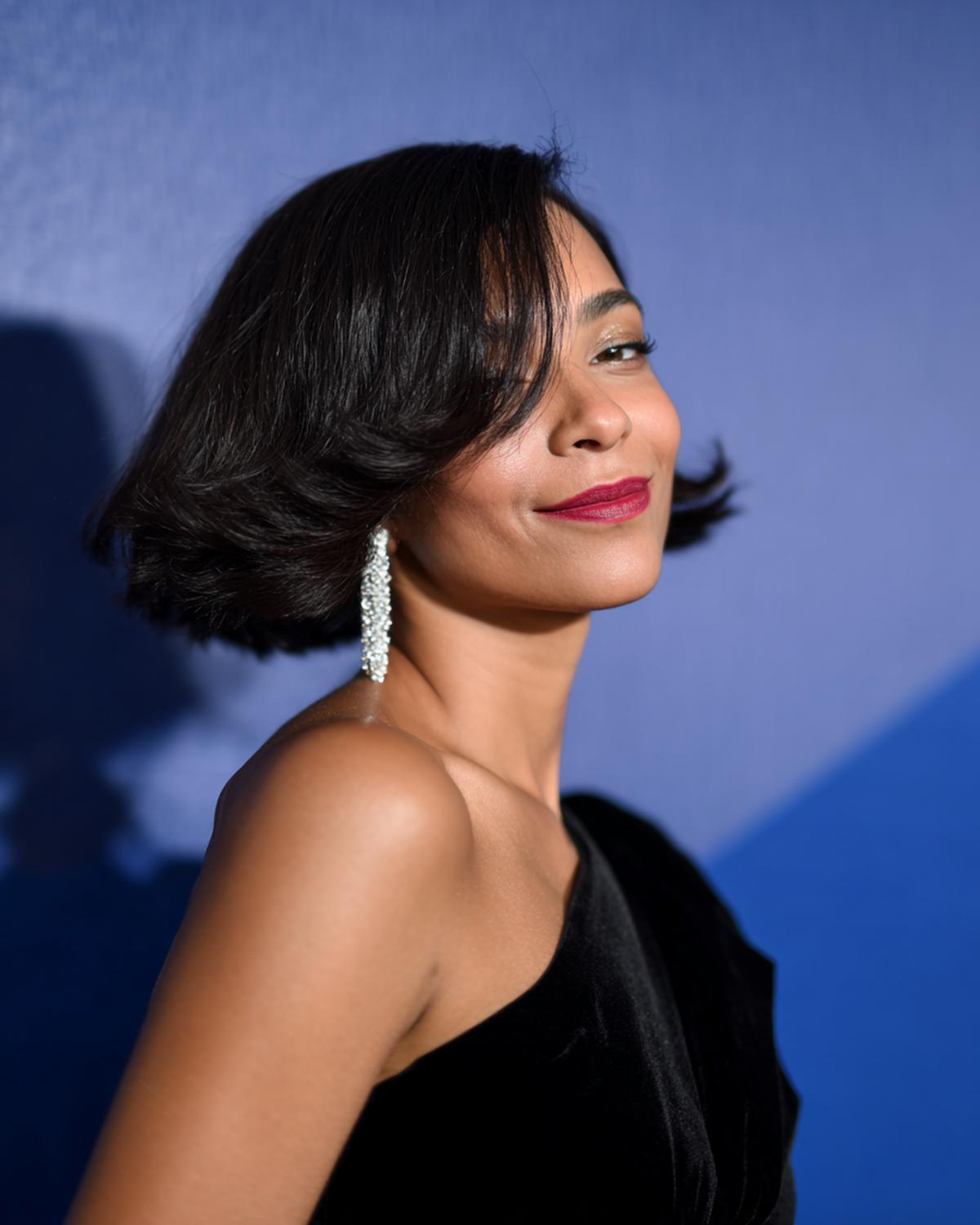
A side part changes the balance of a bob without changing the cut. The lift comes from root direction rather than heavy products.
Heat styling can help, but use heat protection and avoid relying on high temperatures daily.
Softly Layered Bob For Easy Texture
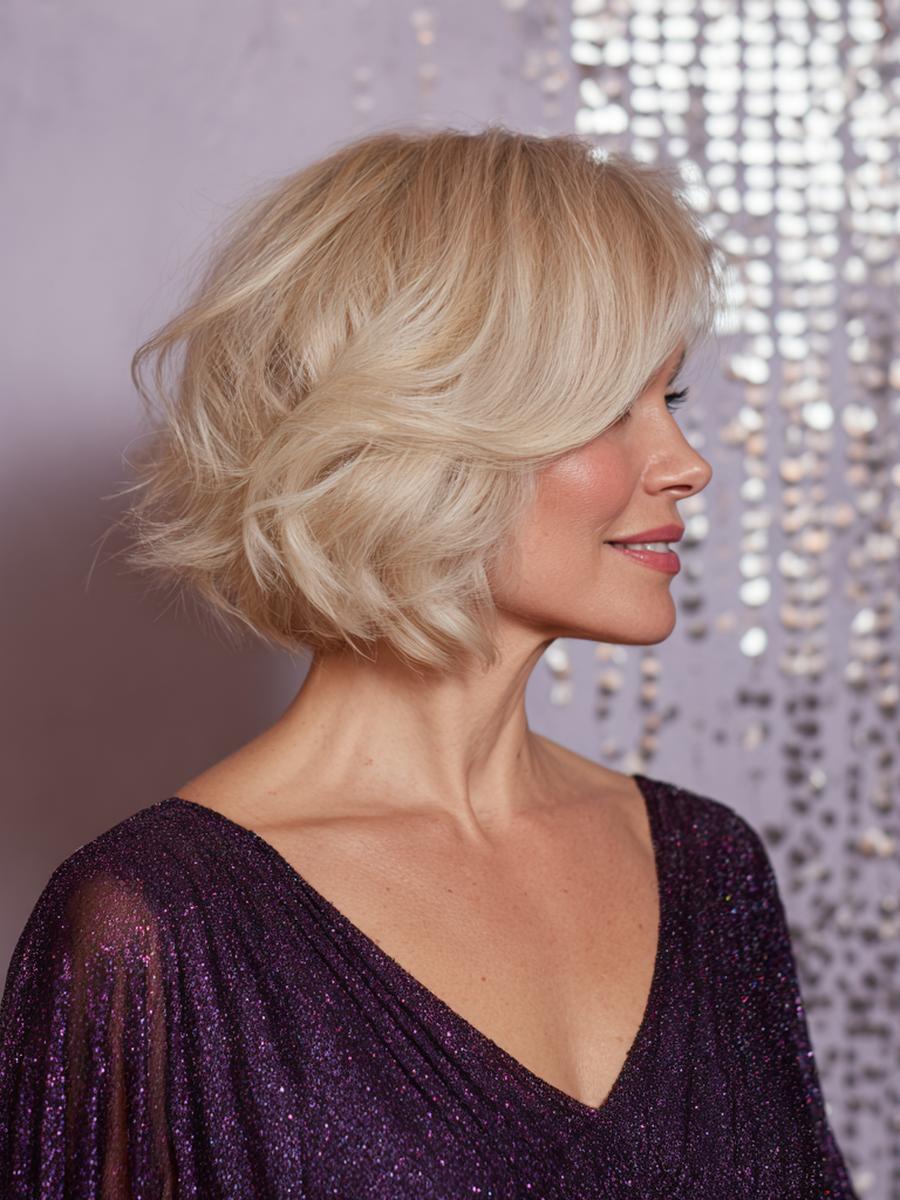
Soft layers remove heaviness while keeping the bob shape. I like small adjustments rather than aggressive layering on shorter cuts.
This can suit thicker hair particularly well when weight builds at the ends.
Playful Pastel Bob That Behaves
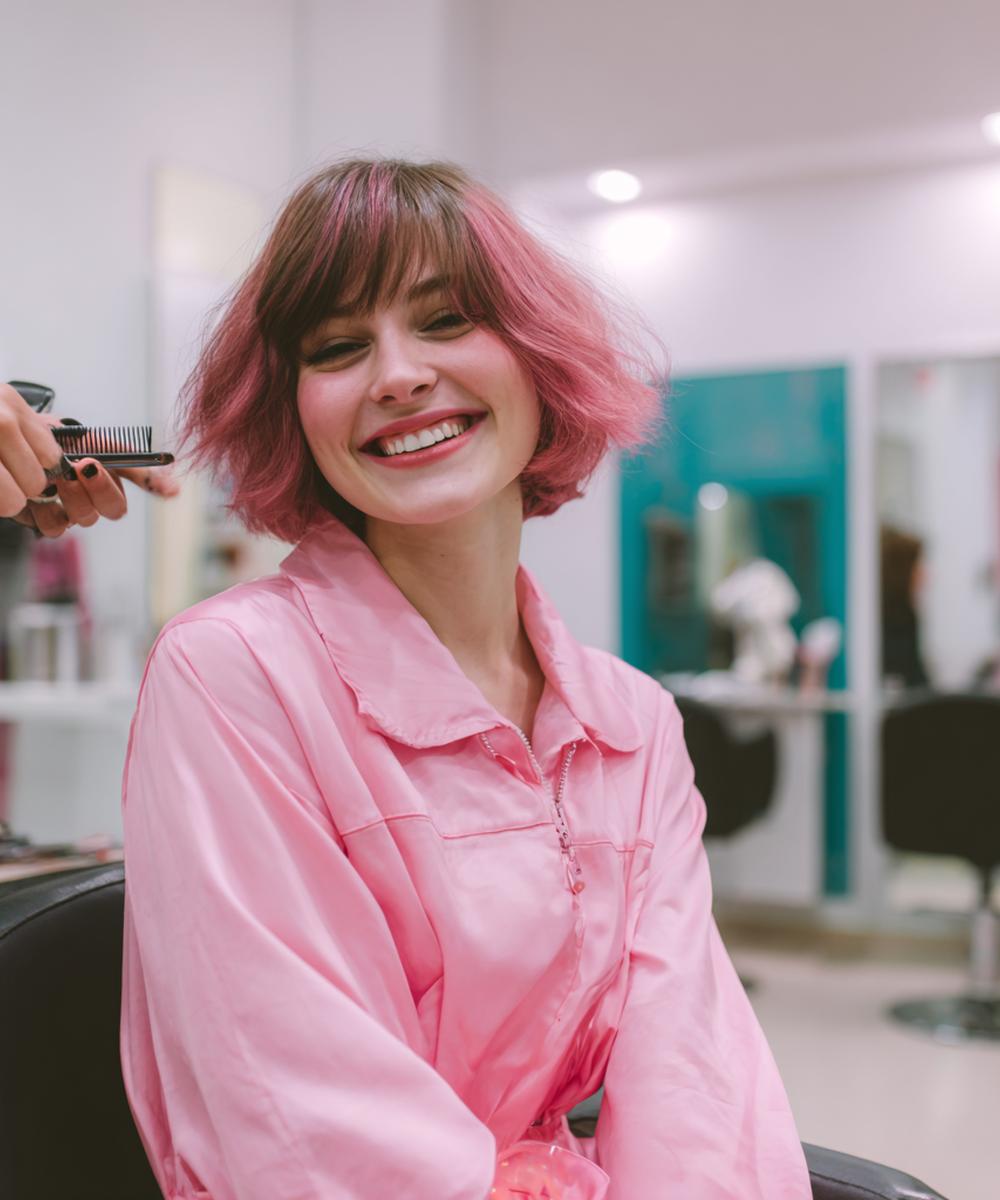
Pastel colour can look effortless, but fashion shades usually require more upkeep. Bleaching and colour correction belong with a salon professional.
A pastel bob shape can stay simple even when the colour is expressive.
Refined Bob With Polished Fringe
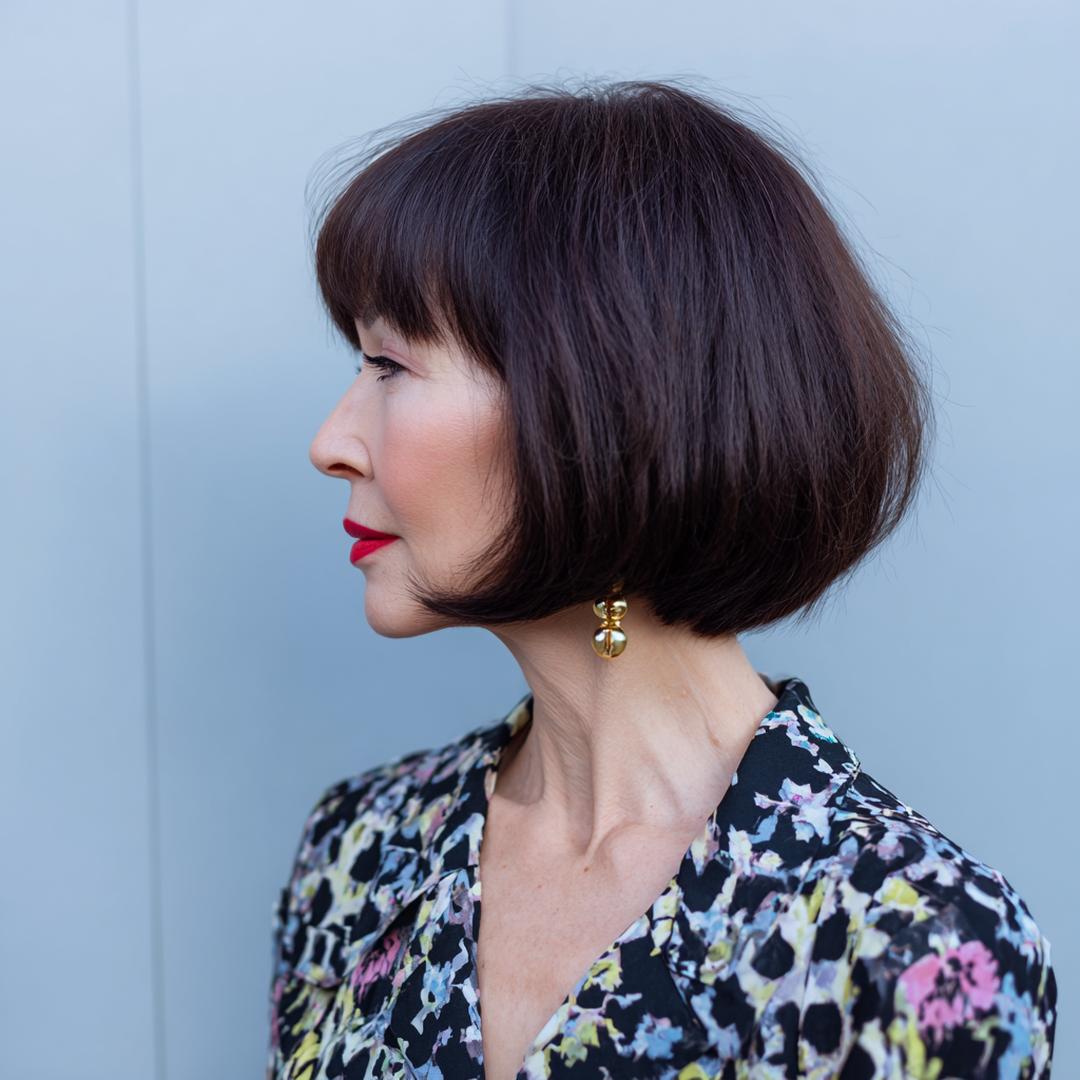
A polished fringe depends on precise cutting and realistic styling time. Regular fringe trims are often needed sooner than the rest of the haircut.
This style suits people who enjoy a few minutes of finishing work.
French Bob With Baby Bangs That Needs No Styling
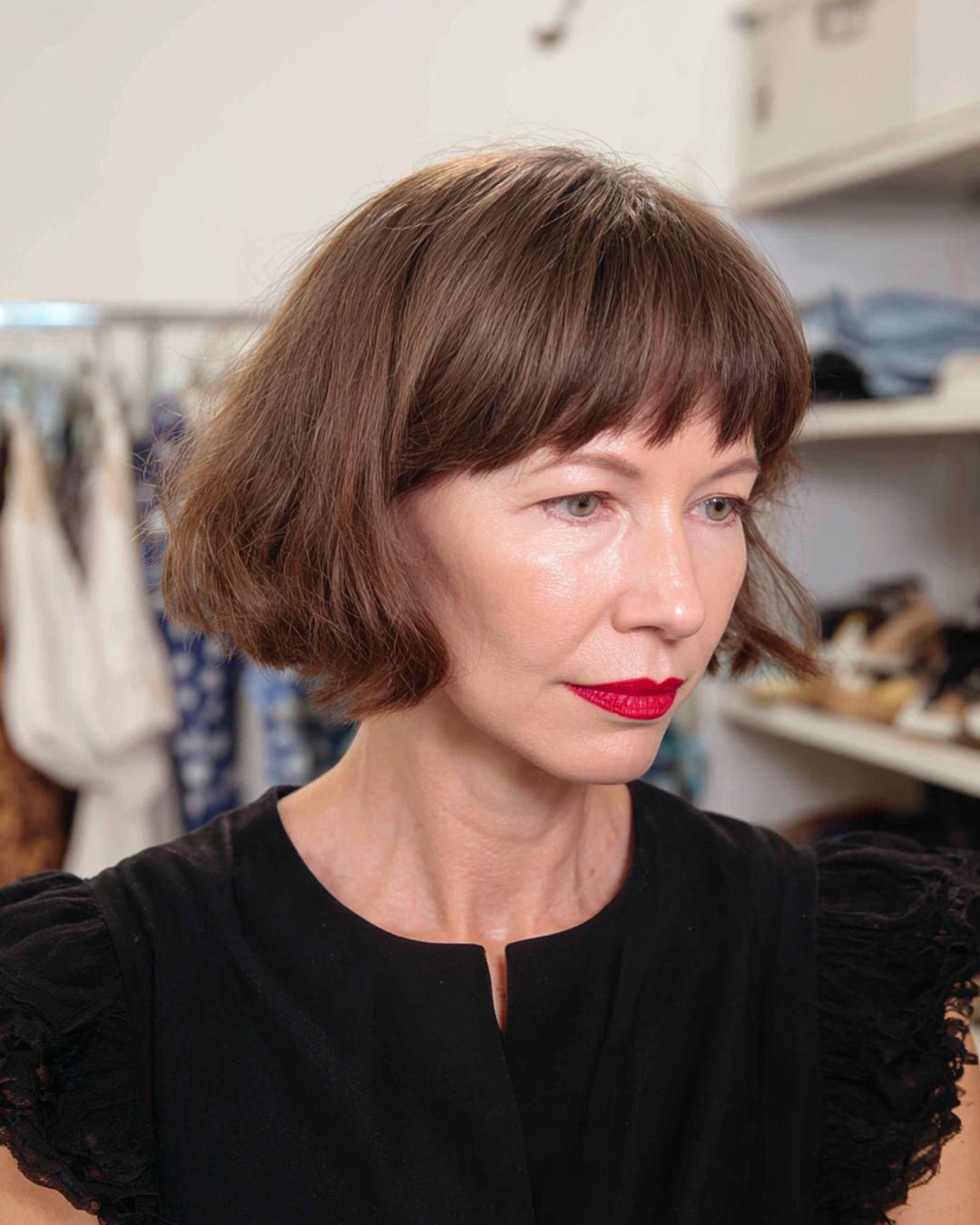
Baby bangs create a graphic French bob shape, but they are less forgiving during grow-out. Current short bob trends include shorter fringe variations.
The best results come from accepting the hair's natural movement instead of fighting it.
Airy Wavy Bob For No-Fuss Days
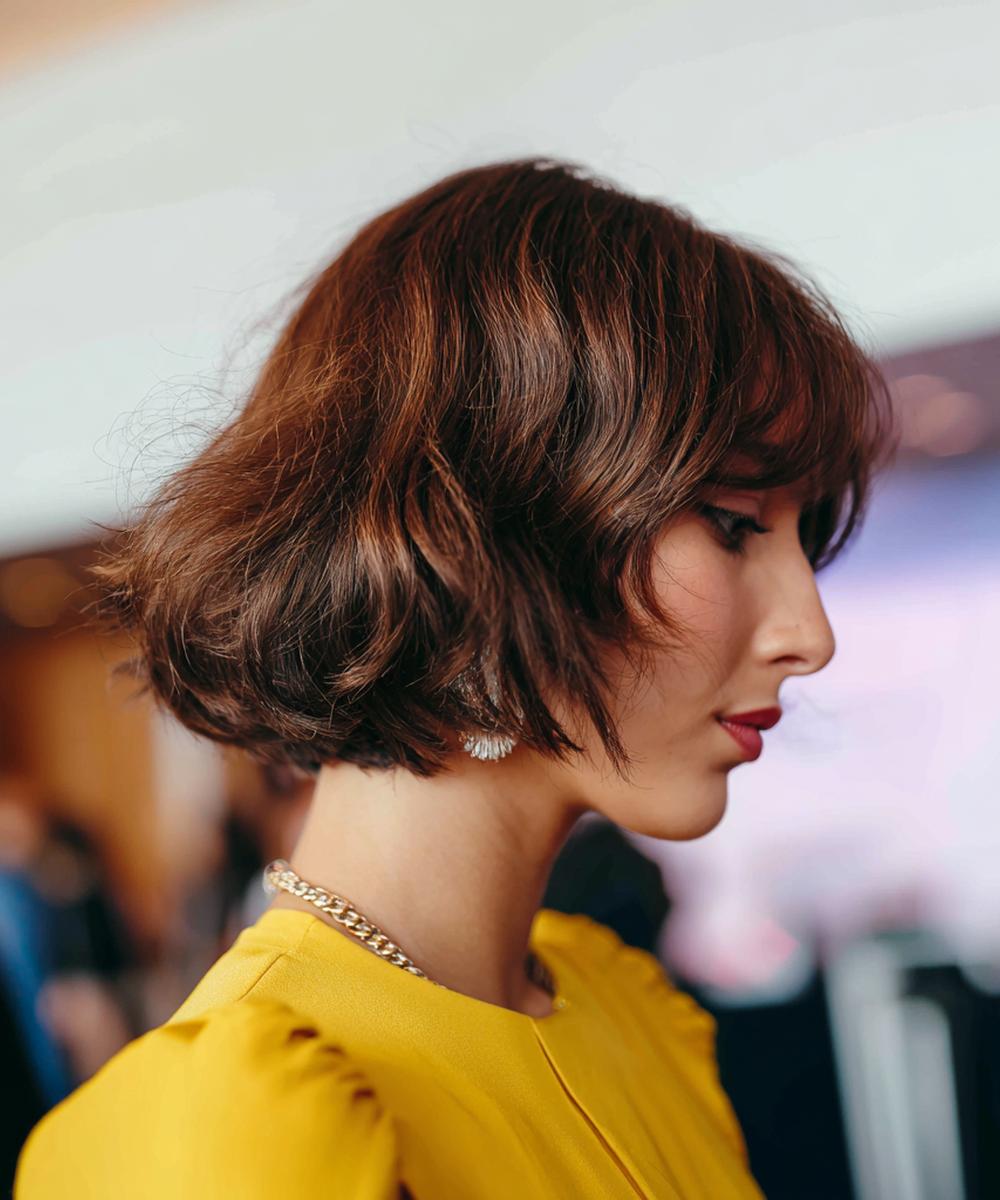
This cut is designed around natural wave patterns. It usually needs less brushing than a highly polished bob.
Use gentle detangling methods and avoid rough handling when hair is wet.
Chin-Length Textured Bob For Easy Wear
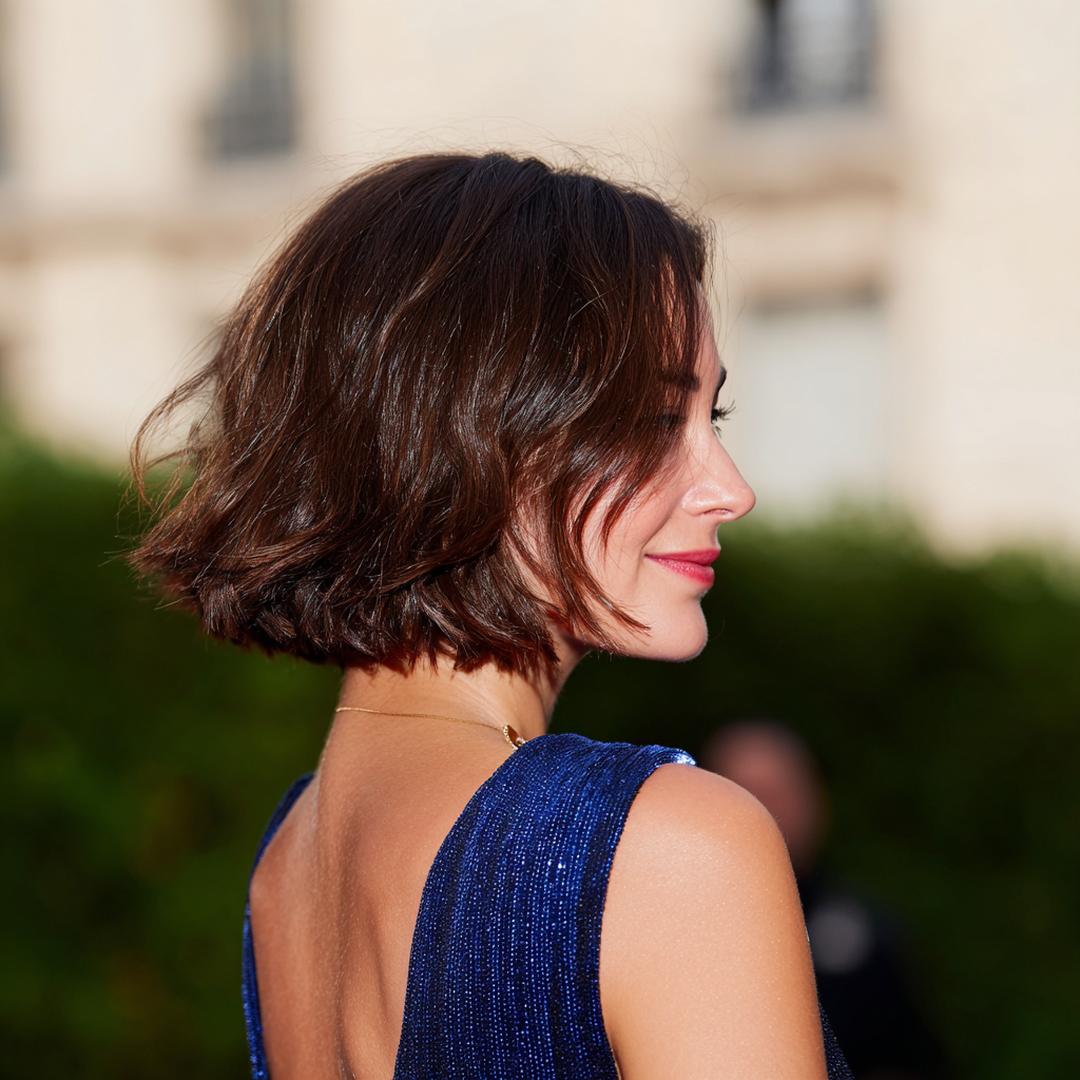
A chin-length bob gives structure while keeping styling manageable. The texture keeps the shape from looking too rigid.
I find chin-length proportions especially useful for people wanting a shorter change without a cropped cut.
Piecey Highlighted Bob With Minimal Effort
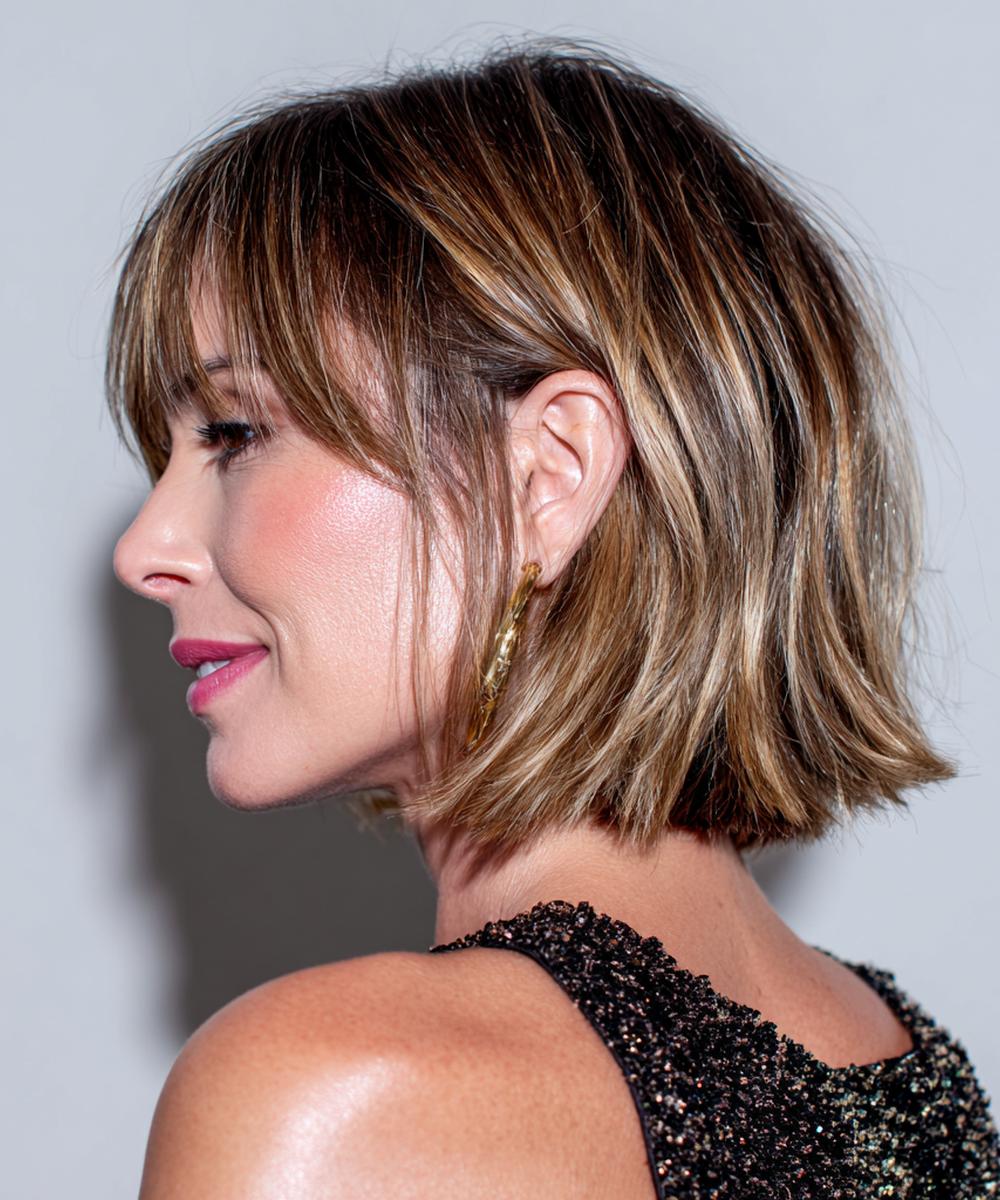
Piecey highlights work with texture because they catch movement through the ends. Colour placement should be planned with grow-out behaviour in mind.
Always disclose previous henna or plant dye use before lightening.
Blunt Blonde Bob That Behaves Itself
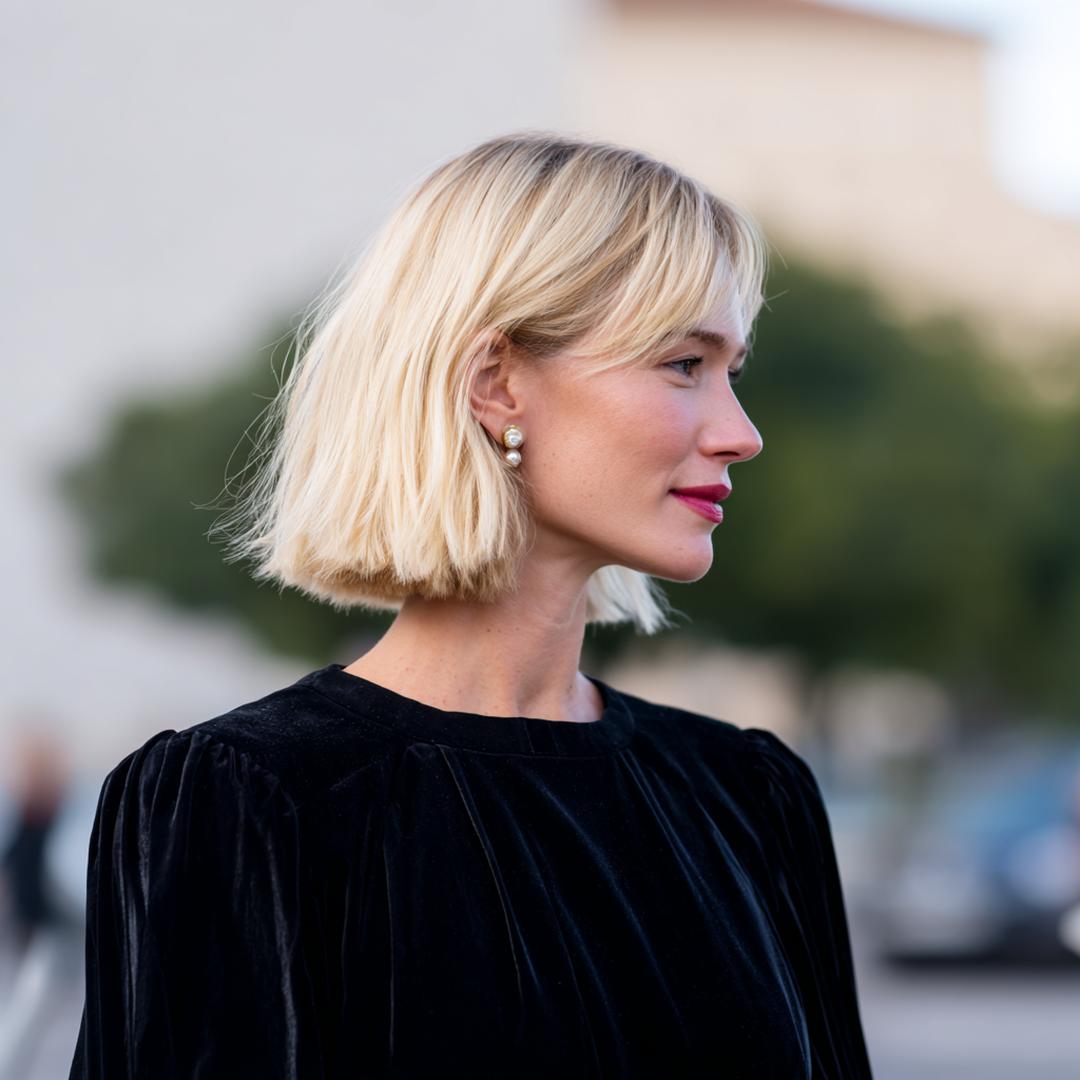
The blunt bob remains popular because the clean edge creates instant structure.
A sharp perimeter can make fine hair appear denser, though regular trims maintain the line.
Wind-Swept Side Fringe Bob You Can Wash And Go

A side fringe adds movement without requiring a full fringe commitment. The easiest versions have soft direction changes built into the cut.
Strong cowlicks may need extra styling consideration.
Soft Wavy Bob For Roll-Out Mornings

This bob works when the haircut supports waves instead of flattening them. Low effort texture often comes from the correct length and layering.
Over-styling can remove the relaxed finish that makes this shape practical.
Feathered Curtain Bangs Bob That Practically Styles Itself
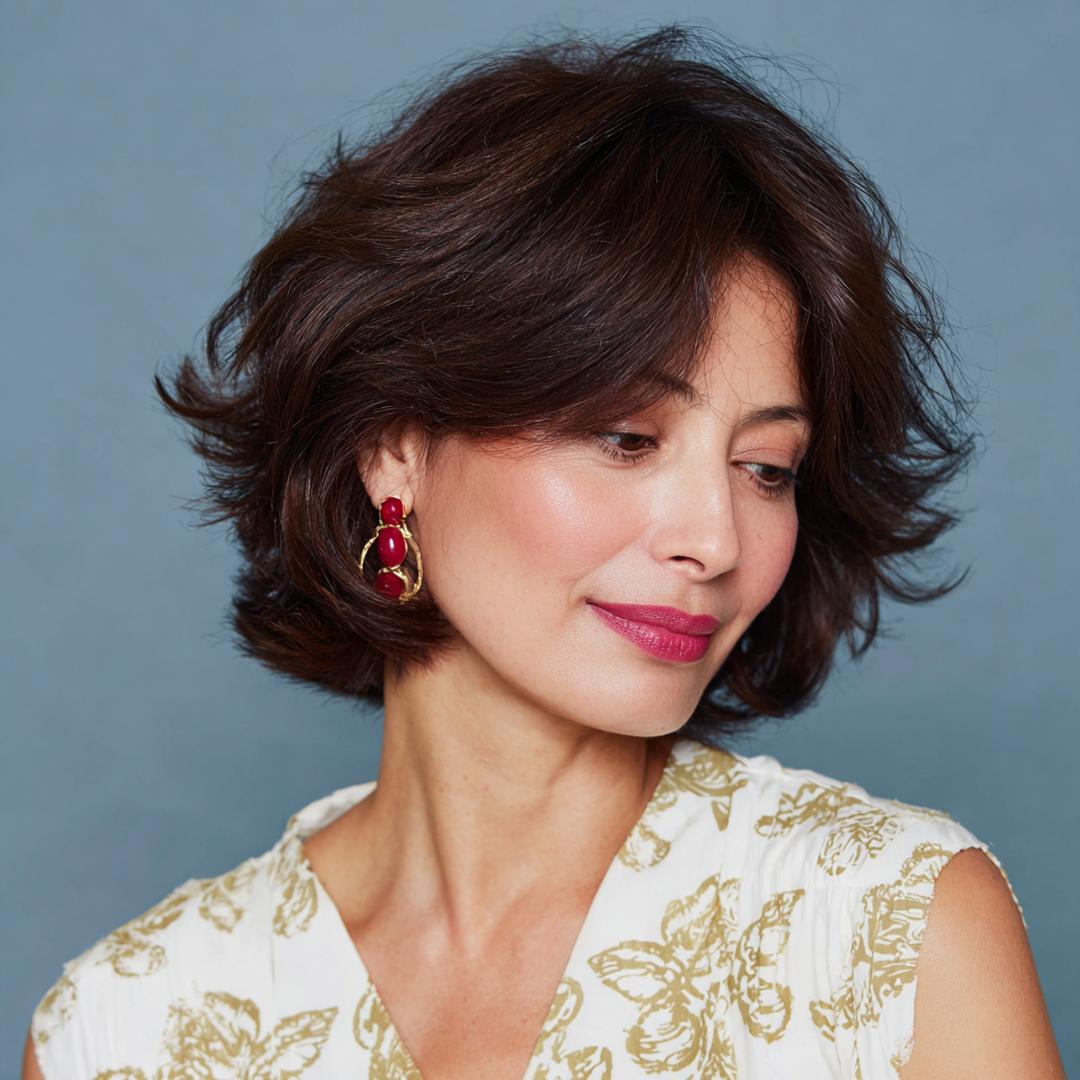
Curtain bangs continue to appear across bob trend coverage because they add movement around the front.
The easiest version uses longer blended pieces that can move between styles.
Retro Flipped Bob With Little To Do
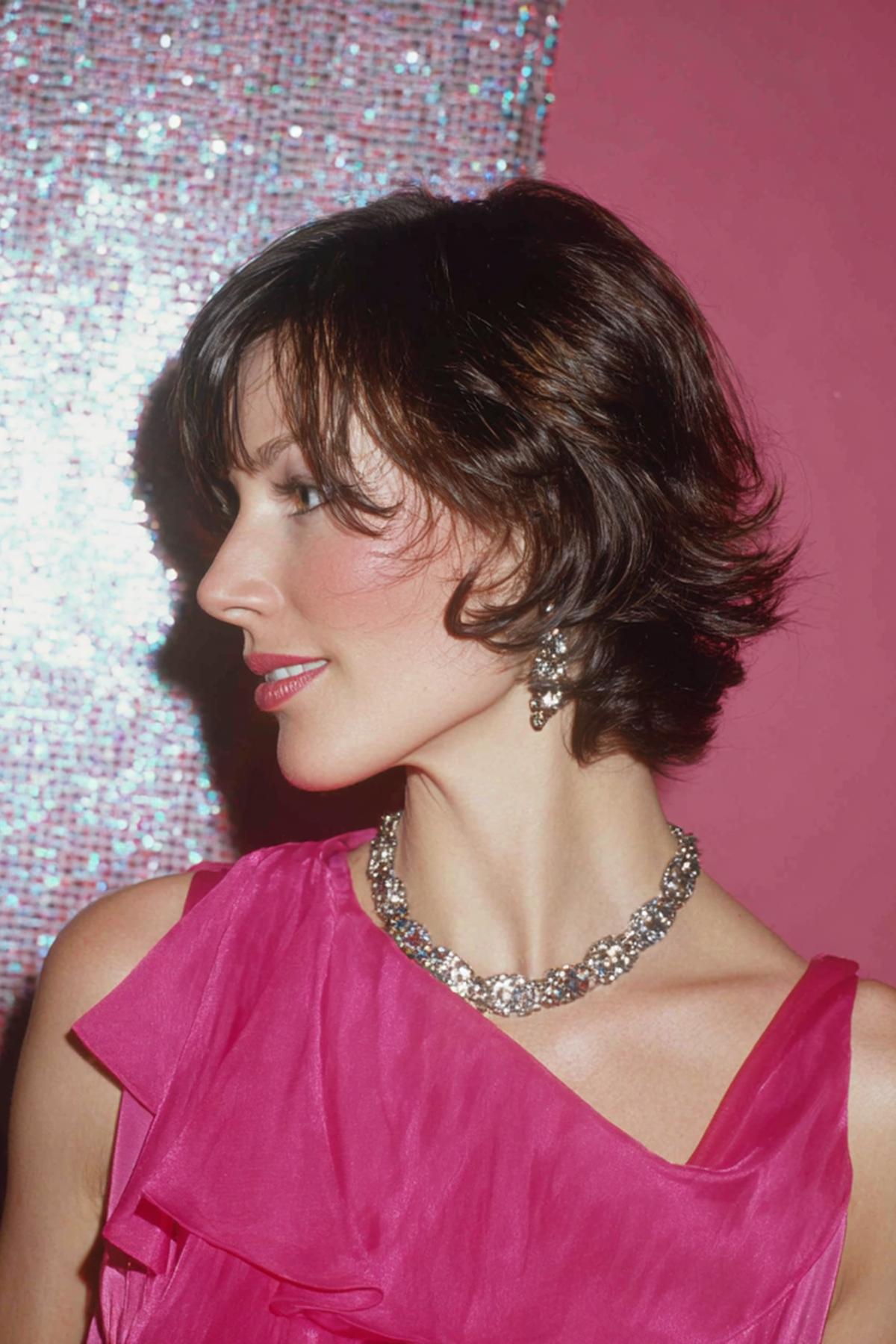
The flipped bob brings vintage shape back with a modern finish. A small bend at the ends creates the retro silhouette.
A round brush or heated tool can refresh the flip, but use protection from heat.
Rounded Volume Bob For Carefree Wear
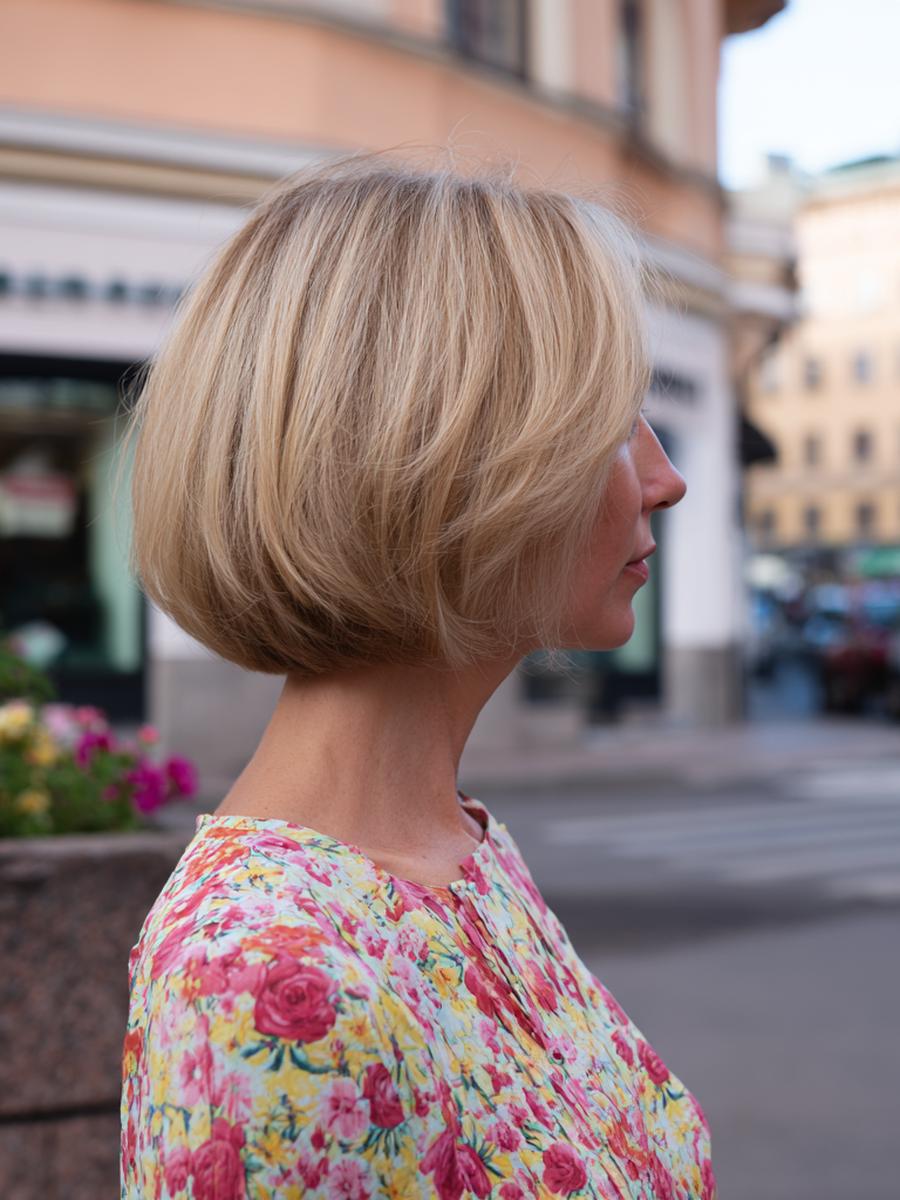
A rounded volume bob is built around balance: enough structure to hold shape, enough softness for movement. Strategic shaping reduces daily work.
Bring reference photos to a consultation and discuss your actual styling routine before cutting.
Low Maintenance Bob With Soft Fringe
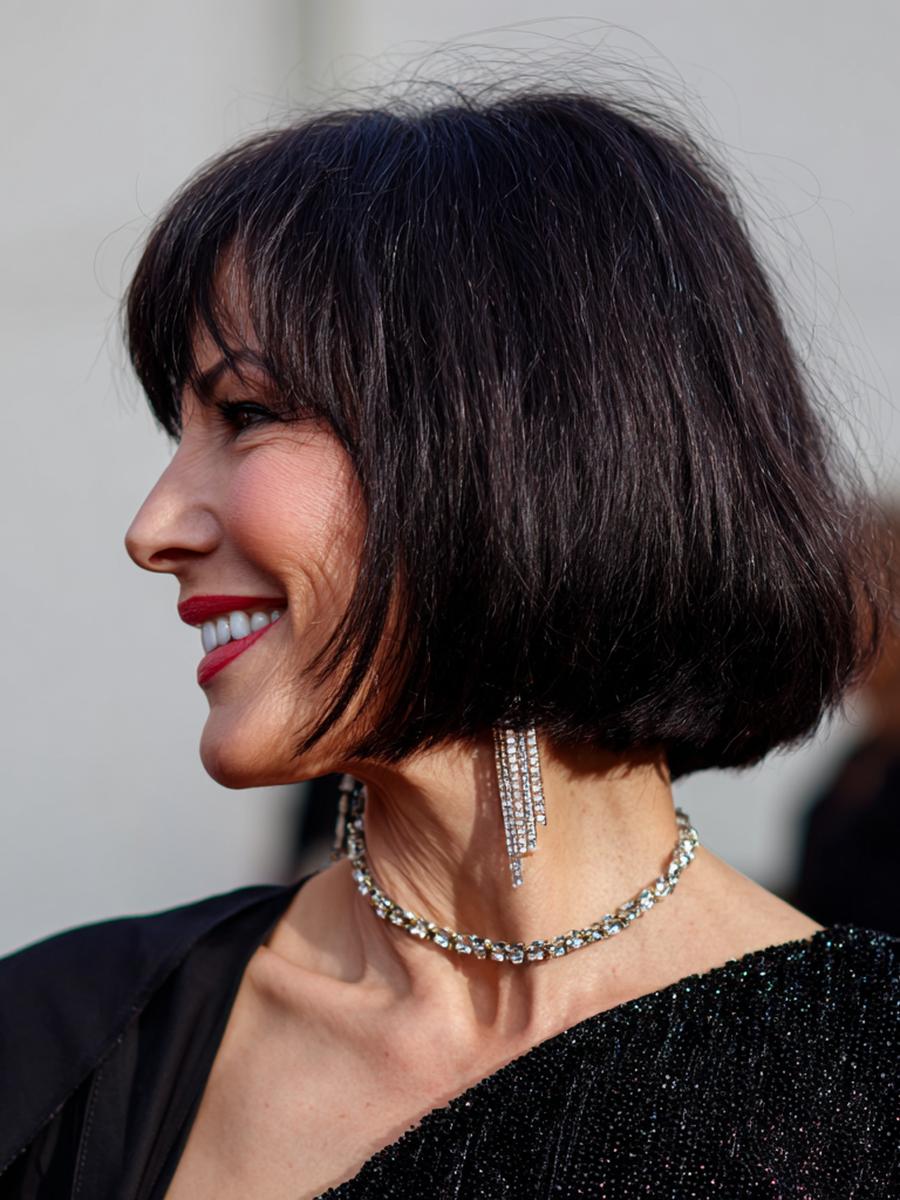
This bob keeps the outline clean while using a soft fringe connection instead of a heavy bang. It works well when the goal is a shorter cut that still moves naturally, especially on straight to slightly wavy hair. Soft layered bobs have been highlighted as low-effort options because the shape can work with air drying or light styling.
For fine hair, keeping too many layers can remove weight, so the cut usually needs careful internal shaping. Thick hair may need more weight removal to stop the ends from expanding. A realistic first styling attempt takes around 10 to 15 minutes with a brush or diffuser.
Effortless Blunt Bob With Side Fringe
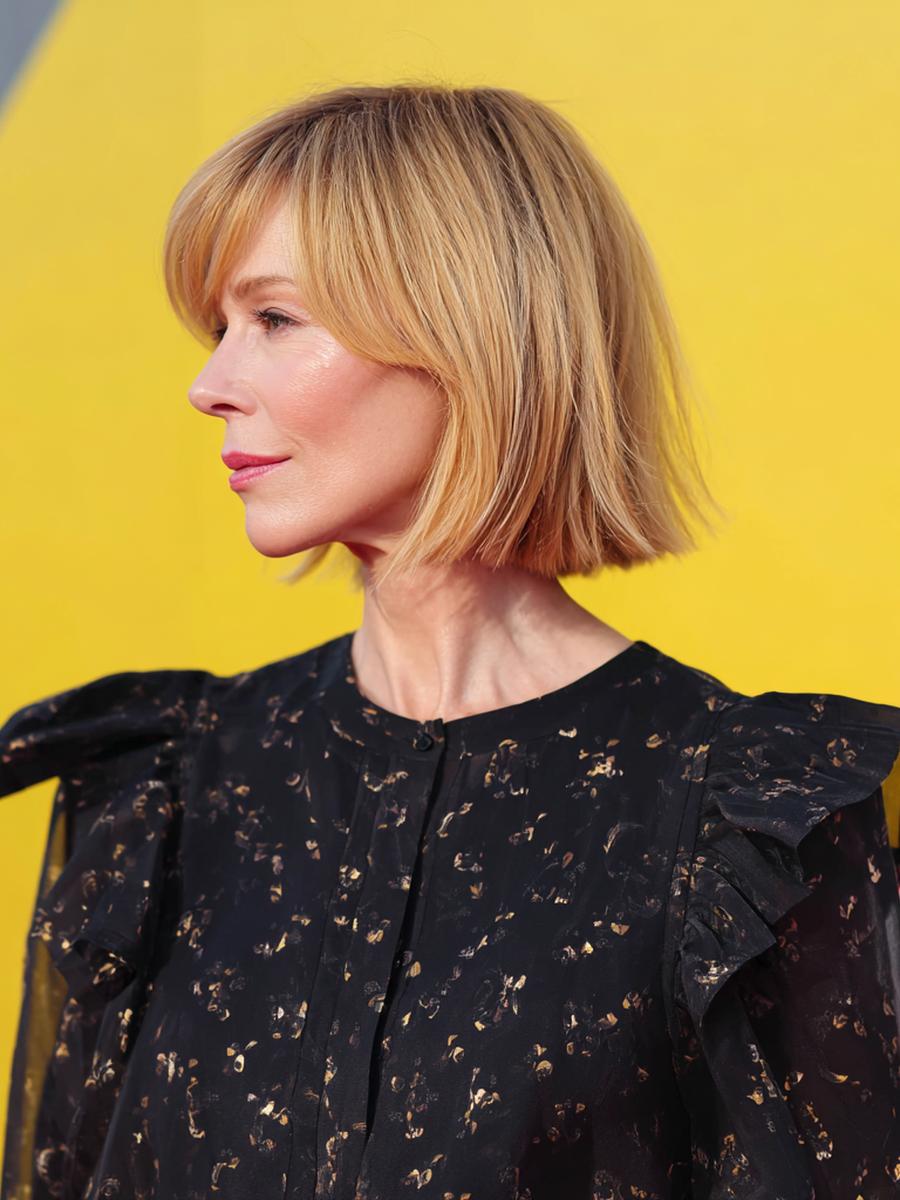
The blunt bob relies on a strong clean perimeter, while the side fringe prevents the shape from feeling too rigid. Blunt bobs continue to appear in 2026 trend reporting because of their polished outline and shine-focused finish.
I find this cut easiest when the natural texture already cooperates. Very curly or coily hair can absolutely wear a bob, but the cutting approach needs to account for shrinkage and curl pattern rather than copying a straight-hair reference photo.
Pros
- Creates a defined shape with minimal layering.
- Side fringe can grow out more gradually than a short straight fringe.
Cons
- Blunt ends show uneven growth quickly.
- Very thick hair may need specialist shaping.
Undone Micro Bob With Full Fringe

The micro bob sits above the classic bob length and creates a sharper silhouette. Current haircut coverage shows shorter bobs and micro bobs continuing as a visible trend, often with precise lines and compact shapes.
A full fringe changes the commitment level because it needs regular reshaping. I would expect many people to need a fringe trim every few weeks, while the main haircut may last longer. The undone finish comes from texture, not from skipping the haircut structure.
Styling tip
Use heat protection before hot tools and keep the finish flexible rather than stiff. A small amount of texture product is usually enough for the broken-up fringe effect.
Polished Round Bob That Air Dries
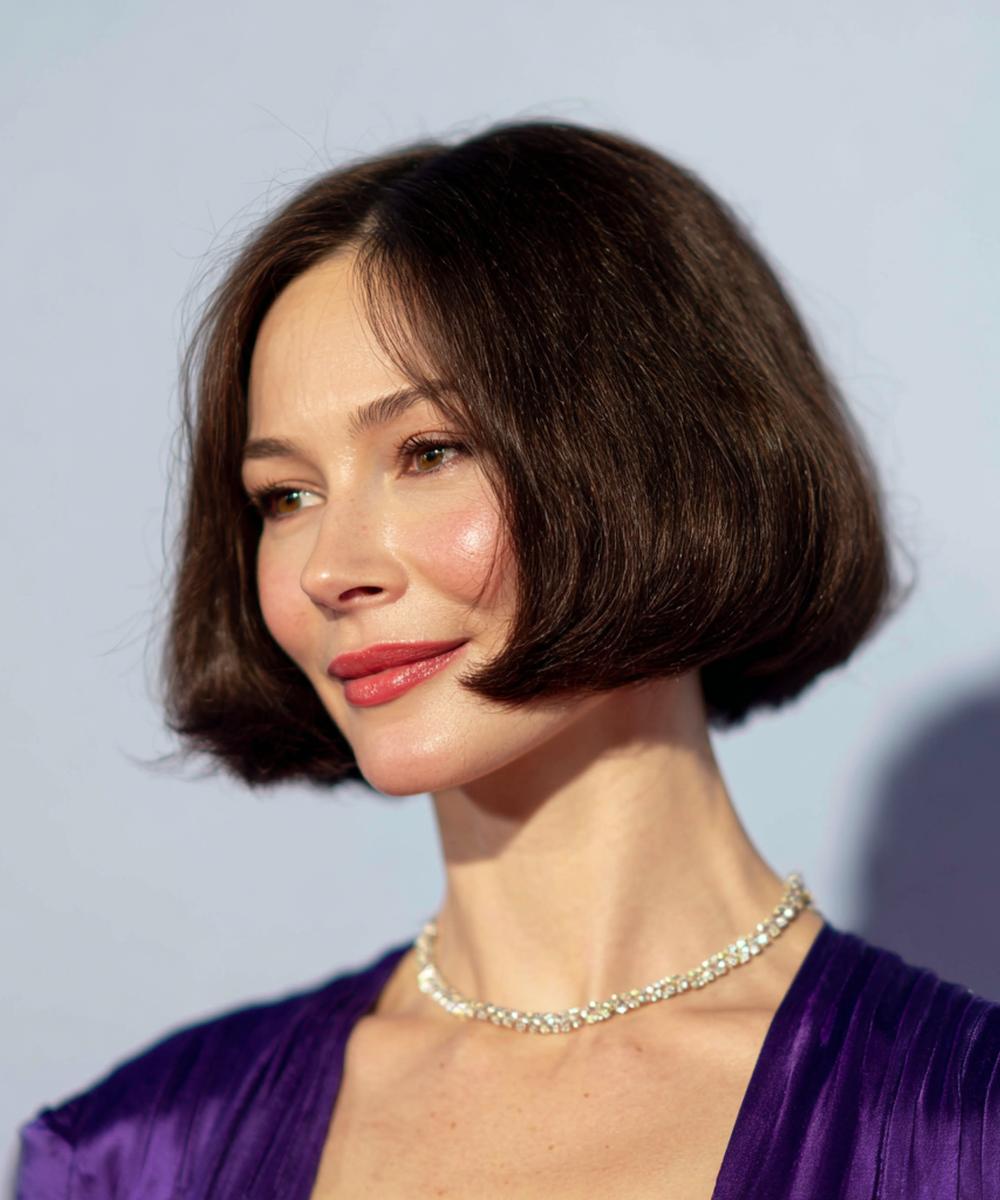
This rounded bob is built around a curved shape and controlled volume. It is one of the cuts where the haircut does most of the work, but the result depends heavily on the cutting technique and natural texture.
Air drying can work well on wavy or naturally cooperative hair. Hair that dries very straight may need a quick finishing pass, while dense hair may require more internal shaping. Trend reports have also noted growing interest in softer bobs designed for easier styling.
Air Dry Wavy Bob With Lived In Ends
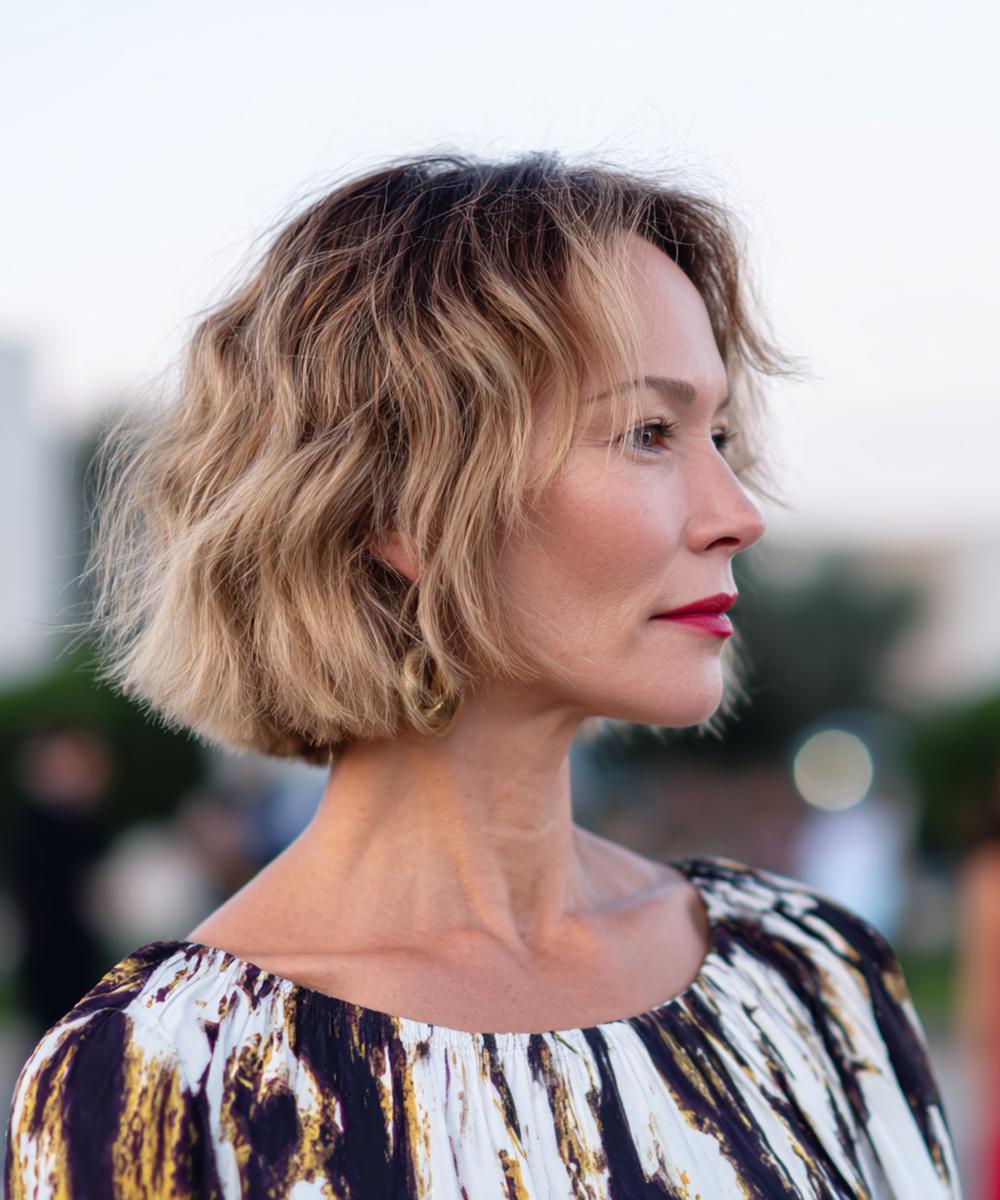
This version works with texture instead of fighting it. The goal is soft lived-in ends rather than a perfectly polished edge, making it practical for people who prefer fewer styling steps.
I have seen wavy bobs perform best when the haircut follows the natural bend of the hair. Fine waves may need lightweight products, while thicker waves often need moisture-focused care. There is less evidence for one universal product routine, so the texture of the hair matters more than the trend name.
10 minutes
Approximate styling time for many naturally wavy bobs after learning the routine.
Classic Side Swept Bob For Minimal Effort
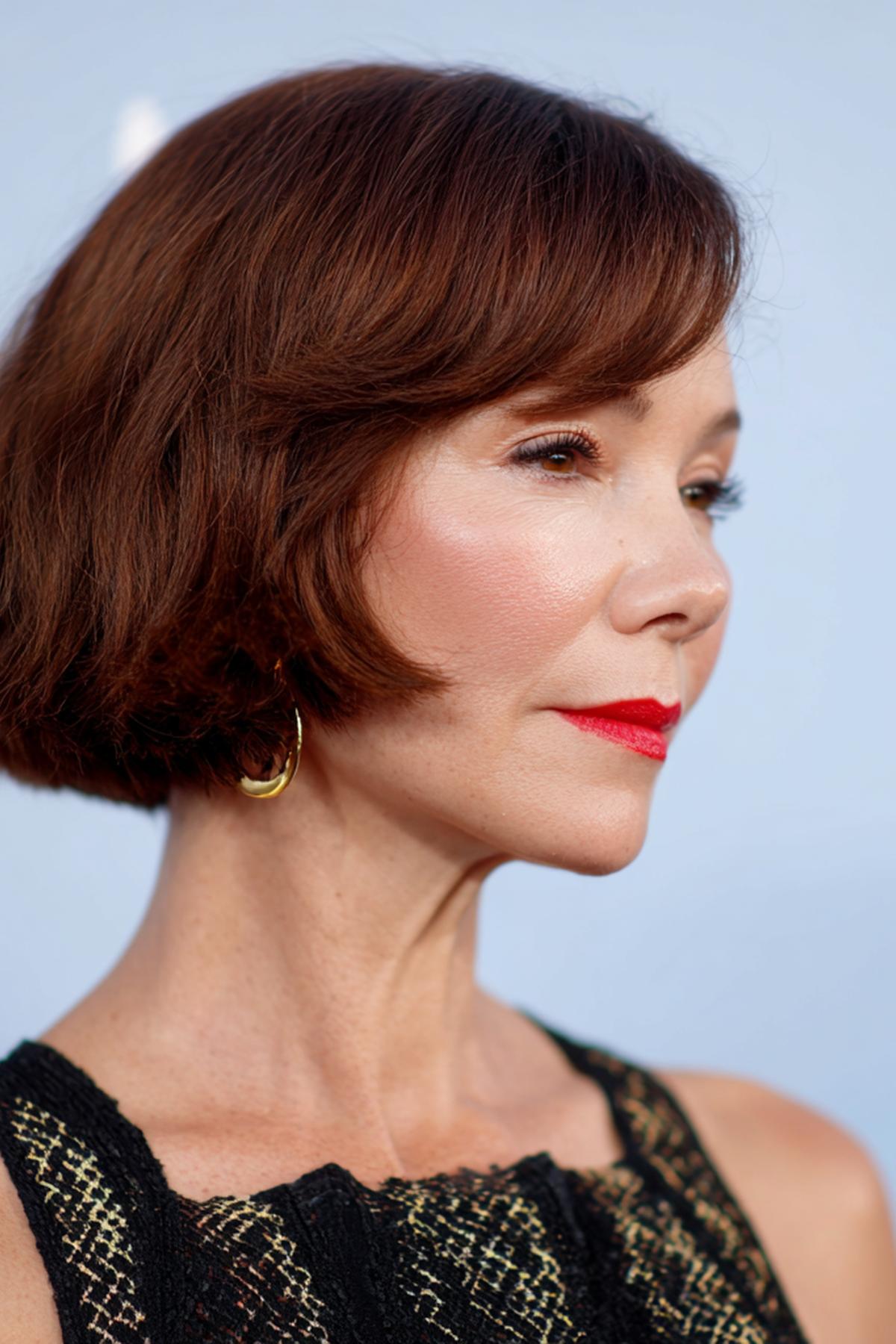
The side swept bob remains useful because the fringe direction adds easy styling flexibility. It can be worn smooth, tucked behind the ear, or left with natural texture. Side-part bobs are still featured as low-maintenance options because of their adaptable shape.
The main maintenance point is keeping the front pieces balanced as they grow. Salon pricing varies widely by region, but a typical haircut appointment may range from basic trim pricing to higher rates for precision cutting or specialist work.
| Hair type | Adjustment |
|---|---|
| Fine | Keep weight through the ends. |
| Thick | Consider internal shaping for movement. |
| Wavy | Cut with natural texture in mind. |

More Pinterest Visuals